
The Calamity Club: A Novel
$24.01 (as of September 19, 2026 07:39 GMT +00:00 – More infoProduct prices and availability are accurate as of the date/time indicated and are subject to change. Any price and availability information displayed on [relevant Amazon Site(s), as applicable] at the time of purchase will apply to the purchase of this product.)
The Perilous Fight
$26.95 (as of September 19, 2026 07:39 GMT +00:00 – More infoProduct prices and availability are accurate as of the date/time indicated and are subject to change. Any price and availability information displayed on [relevant Amazon Site(s), as applicable] at the time of purchase will apply to the purchase of this product.)
The Very Hungry Caterpillar
$5.75 (as of September 19, 2026 07:39 GMT +00:00 – More infoProduct prices and availability are accurate as of the date/time indicated and are subject to change. Any price and availability information displayed on [relevant Amazon Site(s), as applicable] at the time of purchase will apply to the purchase of this product.)
You’re My Little Baby Boo (Board Book for Babies and Toddlers 0-2 years old)
$5.27 (as of September 19, 2026 07:39 GMT +00:00 – More infoProduct prices and availability are accurate as of the date/time indicated and are subject to change. Any price and availability information displayed on [relevant Amazon Site(s), as applicable] at the time of purchase will apply to the purchase of this product.)
The Rainbow Fish
$5.20 (as of September 19, 2026 07:39 GMT +00:00 – More infoProduct prices and availability are accurate as of the date/time indicated and are subject to change. Any price and availability information displayed on [relevant Amazon Site(s), as applicable] at the time of purchase will apply to the purchase of this product.)Your brand identity sets the tone for how people perceive you online. Combining your passion with clear visual elements like a logo and cohesive Canva templates creates an immediate sense of professionalism and trust. A well-crafted bio delivers your story and value proposition in a few compelling sentences, making connection effortless. By carefully designing these components early on, you build a consistent presence that attracts the right audience and accelerates follower growth.
Finding the Sweet Spot: Merging Passion with Market Demand
Choosing a niche that excites you keeps creativity flowing, but pairing that passion with market demand multiplies your potential reach. Analyze trending topics, search volume, and social conversations to identify gaps where your interests overlap with audience needs. For example, if fitness excites you and plant-based diets are rising in popularity, that intersection could fuel engaging, niche content with a hungry audience waiting for fresh perspectives.
Selecting a Username That Stands Out
Your username often forms the first impression, acting as a digital business card. Aim for clarity, memorability, and relevance by blending keywords from your niche with unique wordplay or your personal name. Usernames under 15 characters tend to perform better on platforms like Instagram and Twitter, helping followers tag and search you easily.
Dive deeper by testing potential usernames for availability across multiple platforms and securing consistent handles to avoid confusion. Tools like Namechk allow quick cross-platform checks. Incorporate simple variations if the ideal username is taken—for instance, adding underscores or abbreviations—while avoiding numbers unless integral to your brand (like “7” for “Lucky7Fitness”). Solid usernames also support SEO benefits, making it easier for your audience and search engines to find you. Taking the time upfront to select a smart, clear username pays dividends as your brand grows.

Key Takeaways:
- Select a niche that balances personal passion with market demand to ensure sustainable growth.
- Create a cohesive brand identity by designing a username, logo, and bio that reflect your niche and personality.
- Utilize tools like Canva to develop reusable templates for consistent and efficient branding across posts.
- Plan and schedule initial content deliberately, focusing on five starter posts to establish your presence.
- Set measurable first-week goals centered on follower growth and engagement to track progress effectively.
Visual Branding: Make a Memorable First Impression
Your visual branding sets the tone for how your audience perceives your social media presence from the first glance. Striking visuals paired with consistent themes build trust and recognition, making followers more likely to engage and return. Balancing color schemes, fonts, and layouts creates a cohesive look that complements your chosen niche, while quick-to-use Canva templates enhance efficiency without sacrificing creativity. Establishing this polished aesthetic early on positions you ahead in a saturated space and lays the groundwork for growth.
Designing a Logo that Captivates
A compelling logo distills your brand’s essence into a single symbol, helping you stand out in crowded feeds. Aim for simplicity combined with distinctive elements—like color pops or unique typography—that reflect your niche. For instance, a fitness brand might incorporate dynamic shapes or bold fonts conveying energy, whereas a craft or art page could use hand-drawn elements. Leveraging Canva’s intuitive tools lets you experiment quickly, ensuring your logo looks professional and functions well across both profile images and post overlays.
Writing a Bio that Speaks Volumes
Your bio serves as a snapshot of your brand’s identity and value proposition, often becoming the deciding factor for new visitors to follow you. Incorporate your niche keywords to improve searchability, highlight what makes you unique, and clarify the benefits followers can expect. Concise yet impactful phrasing helps you communicate authority and personality within the limited character space. Including a call-to-action, such as visiting a website or checking pinned posts, encourages immediate engagement.
Crafting an effective bio requires more than listing descriptors; it’s about telling your story in under 150 characters. Use targeted keywords tied to your niche, such as “vegan recipes” or “budget fashion tips,” to attract the right audience through search and hashtags. Mix in a friendly tone that matches your overall brand voice, making followers feel a personal connection. Incorporate tangible value by emphasizing what you offer—be it expert advice, daily inspiration, or exclusive deals—and finish with a clear next step, like “Tap the link for weekly workout plans.” This approach transforms casual visitors into engaged followers from the moment they read your profile.
Streamlining Your Aesthetic with Templates
Maintaining a polished and consistent look across your social platforms becomes effortless when you lean on well-designed templates. These ready-made frameworks not only save you time but ensure every post reflects your unique brand identity. By setting up templates early, you create a visual rhythm that your followers come to recognize and trust, enhancing engagement without daily guesswork.
Utilizing Canva for Cohesive Branding
Canva offers a vast library of customizable templates tailored to different social media formats, making it easy to keep your brand cohesive. You can lock in your chosen color palette, fonts, and logo in a single template, which streamlines creating posts that feel unified. Plus, Canva’s intuitive drag-and-drop interface means you spend less time on design and more on content strategy.
Creating Templates for Efficiency and Consistency
By building templates that mirror your brand’s color scheme, typography, and layout, you cut post-creation time dramatically while reinforcing brand recognition. Setup might take an hour, but afterward, you produce daily content in minutes, ensuring each post matches your aesthetic seamlessly.
Going deeper, well-crafted templates allow you to standardize various post types—announcements, quotes, promotions—each with a distinct but harmonious look. For example, using a consistent header style for promotional content while varying background patterns subtly signals to your audience the post’s purpose at a glance. Brands that use this approach report up to 40% faster content creation cycles and a 15% increase in engagement due to visual consistency, proving templates aren’t just a time saver but a growth driver too.
Content is King: Developing Your Initial Portfolio
Your initial content sets the tone for your brand and attracts your first audience. Focus on quality over quantity by crafting five well-thought-out posts that showcase your niche expertise and personality. Use your Canva templates to maintain consistent visuals, and keep captions clear and engaging. This foundation not only builds credibility but also feeds the algorithm with fresh, targeted content that invites interaction. Prioritize content that sparks conversation or provides immediate value to your followers, creating a compelling reason for people to keep coming back.
Brainstorming Five Engaging Starter Posts
Identify five themes that resonate with your niche and audience interests, such as how-tos, tips, behind-the-scenes insights, or relatable stories. For example, if you’re in fitness, plan a beginner workout guide, nutrition myths debunked, motivational quotes, your own progress update, and a FAQ addressing common challenges. Each post should be concise, visually appealing, and crafted to invite comments or shares. This mix keeps your feed dynamic and shows different facets of your brand right from the start.
Scheduling for Impact: When to Post for Maximum Reach
Optimize your posting times by analyzing when your target audience is most active—typically early mornings, lunch breaks, or early evenings during weekdays. Platforms like Instagram and TikTok often see peak engagement around 7-9 AM and 6-9 PM, while LinkedIn performs best midweek during business hours. Consistent timing builds anticipation and trains your audience to expect content, increasing interaction and discovery. Use scheduling tools like Buffer or Later to automate posts and maintain steady activity without daily manual effort.
Diving deeper, consider your audience’s time zones and habits; if you’re targeting busy professionals, posting just before lunch or at the end of the workday can catch them during breaks. Running quick tests—posting the same content at different times—allows you to track engagement and adjust for peak performance. Combine this data-driven approach with posting frequency: starting with five posts a week balances visibility and content quality, avoiding overwhelm while steadily growing your presence.

Metrics That Matter: Setting Up for Success
Tracking the right metrics helps you understand how your content resonates and where to focus your energy. Rather than chasing vanity numbers like overall follower count alone, concentrate on engagement rates, post reach, and saves or shares. These indicate genuine interest and build a loyal audience. For a fresh account, tracking daily follower growth alongside engagement per post reveals momentum and identifies which starter posts connect with your niche. Setting measurable targets here guides your week-one strategy and optimizes your time as you build your brand foundation.
Establishing Realistic Goals for Growth in the First Week
Setting achievable initial goals propels motivation and provides clear direction. Aim for a modest follower increase—such as 50 to 100 new followers—as you launch your brand, coupled with engagement targets like an average 5-10% engagement rate on each starter post. These benchmarks account for early-stage account limitations, helping you maintain focus without overwhelming demands. You can refine these goals as you analyze data from scheduled posts and audience responses, laying groundwork for sustainable long-term growth.
Tracking Engagement: Tools and Techniques for Beginners
Basic analytics tools built into platforms like Instagram and Facebook offer accessible insights on likes, comments, shares, and saves. Utilizing native features first enables you to gain data without additional cost or complexity. Complement these with free tools such as Google Analytics for linked websites or Buffer’s free tier for post scheduling and engagement tracking. Monitor patterns like peak activity times and top-performing content types to adjust your content calendar and boost visibility efficiently.
Diving deeper into engagement tracking, tools like Instagram Insights provide detailed demographics, showing who interacts with your content—age range, location, and active times. Using this data, you can tailor your content to your actual audience, increasing relevance and retention. For example, seeing that your audience responds more to video clips than images allows you to adjust your Canva templates and posting strategy accordingly. Additionally, simple spreadsheet tracking of daily follower counts alongside engagement rates per post can reveal growth trends over your first week, offering invaluable feedback to refine your brand’s approach quickly.
Final Words
Considering all points, you now have a clear and actionable plan to launch your social media brand in just one weekend. By choosing a niche that reflects your passion and meets demand, creating cohesive branding elements like your username, logo, and bio, and setting up ready-to-use Canva templates, you lay a strong foundation. Planning and scheduling your starter posts alongside realistic first-week goals ensures you stay focused and measure progress effectively. With this blueprint, you’re equipped to confidently start building your presence and growing your audience from day one.
FAQ
Q: How do I choose the right niche for my social media brand?
A: Selecting a niche involves balancing your personal interests with market demand. Start by listing topics you are passionate about and research their popularity or audience size on social media platforms. This helps ensure your content will engage followers while keeping you motivated to create consistently.
Q: What should I consider when creating a username and logo?
A: Your username should be easy to remember, unique, and relevant to your niche. Keep it concise to improve discoverability. For the logo, aim for simplicity and clarity so it looks great across various sizes. Use consistent colors and fonts that reflect the personality of your brand.
Q: How can Canva templates speed up my branding process?
A: Canva templates offer pre-designed layouts that you can customize quickly with your brand colors, fonts, and logo. This saves time and maintains visual consistency across posts, stories, and other brand materials. Having templates ready also simplifies producing content regularly.
Q: What are some ideas for the first five starter posts on social media?
A: Your starter posts should introduce your brand and provide value to your audience. Examples include a welcome message, your mission or story, showcasing your products or services, sharing tips related to your niche, and a call-to-action encouraging followers to engage or connect.
Q: How do I set realistic follower and engagement goals for the first week?
A: Base your goals on factors like your niche’s typical growth rates, platform algorithm, and your network size. For beginners, aim for achievable numbers such as 50-100 followers and an engagement rate of 5-10% on your first posts. These benchmarks help measure progress without overwhelming expectations.
Author

Theo of Golden: A Novel
$12.99 (as of September 19, 2026 07:39 GMT +00:00 – More infoProduct prices and availability are accurate as of the date/time indicated and are subject to change. Any price and availability information displayed on [relevant Amazon Site(s), as applicable] at the time of purchase will apply to the purchase of this product.)
Yesteryear: A GMA Book Club Pick: A Novel
$14.99 (as of September 19, 2026 07:39 GMT +00:00 – More infoProduct prices and availability are accurate as of the date/time indicated and are subject to change. Any price and availability information displayed on [relevant Amazon Site(s), as applicable] at the time of purchase will apply to the purchase of this product.)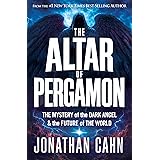
The Altar of Pergamon: The Mystery of the Dark Angel and the Future of the World
$21.48 (as of September 19, 2026 07:39 GMT +00:00 – More infoProduct prices and availability are accurate as of the date/time indicated and are subject to change. Any price and availability information displayed on [relevant Amazon Site(s), as applicable] at the time of purchase will apply to the purchase of this product.)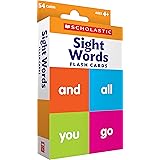
Scholastic Flash Cards: Sight Words
$3.07 (as of September 19, 2026 07:39 GMT +00:00 – More infoProduct prices and availability are accurate as of the date/time indicated and are subject to change. Any price and availability information displayed on [relevant Amazon Site(s), as applicable] at the time of purchase will apply to the purchase of this product.)
Brown Bear, Brown Bear, What Do You See?: 50th Anniversary Edition
$5.36 (as of September 19, 2026 07:39 GMT +00:00 – More infoProduct prices and availability are accurate as of the date/time indicated and are subject to change. Any price and availability information displayed on [relevant Amazon Site(s), as applicable] at the time of purchase will apply to the purchase of this product.)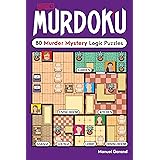
Murdoku: 80 Murder Mystery Logic Puzzles
$11.54 (as of September 19, 2026 07:39 GMT +00:00 – More infoProduct prices and availability are accurate as of the date/time indicated and are subject to change. Any price and availability information displayed on [relevant Amazon Site(s), as applicable] at the time of purchase will apply to the purchase of this product.)
The Rainbow Fish
$5.20 (as of September 19, 2026 07:39 GMT +00:00 – More infoProduct prices and availability are accurate as of the date/time indicated and are subject to change. Any price and availability information displayed on [relevant Amazon Site(s), as applicable] at the time of purchase will apply to the purchase of this product.)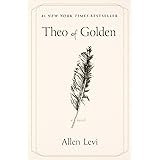
Theo of Golden: A Novel
$13.98 (as of September 19, 2026 07:39 GMT +00:00 – More infoProduct prices and availability are accurate as of the date/time indicated and are subject to change. Any price and availability information displayed on [relevant Amazon Site(s), as applicable] at the time of purchase will apply to the purchase of this product.)
One Man In: The Explosive Firsthand Account of the Lone Special-Ops Commando Who Fought Off a Major Terrorist Attack in Kenya
$30.00 (as of September 19, 2026 07:39 GMT +00:00 – More infoProduct prices and availability are accurate as of the date/time indicated and are subject to change. Any price and availability information displayed on [relevant Amazon Site(s), as applicable] at the time of purchase will apply to the purchase of this product.)




Leave a Reply