

You’re My Little Baby Boo (Board Book for Babies and Toddlers 0-2 years old)
$5.27 (as of September 19, 2026 07:39 GMT +00:00 – More infoProduct prices and availability are accurate as of the date/time indicated and are subject to change. Any price and availability information displayed on [relevant Amazon Site(s), as applicable] at the time of purchase will apply to the purchase of this product.)
The Let Them Theory: A Life-Changing Tool That Millions of People Can’t Stop Talking About
$18.94 (as of September 19, 2026 07:39 GMT +00:00 – More infoProduct prices and availability are accurate as of the date/time indicated and are subject to change. Any price and availability information displayed on [relevant Amazon Site(s), as applicable] at the time of purchase will apply to the purchase of this product.)
Scholastic Flash Cards: Sight Words
$3.07 (as of September 19, 2026 07:39 GMT +00:00 – More infoProduct prices and availability are accurate as of the date/time indicated and are subject to change. Any price and availability information displayed on [relevant Amazon Site(s), as applicable] at the time of purchase will apply to the purchase of this product.)
Theo of Golden: A Novel
$12.99 (as of September 19, 2026 07:39 GMT +00:00 – More infoProduct prices and availability are accurate as of the date/time indicated and are subject to change. Any price and availability information displayed on [relevant Amazon Site(s), as applicable] at the time of purchase will apply to the purchase of this product.)
One Man In: The Explosive Firsthand Account of the Lone Special-Ops Commando Who Fought Off a Major Terrorist Attack in Kenya
$30.00 (as of September 19, 2026 07:39 GMT +00:00 – More infoProduct prices and availability are accurate as of the date/time indicated and are subject to change. Any price and availability information displayed on [relevant Amazon Site(s), as applicable] at the time of purchase will apply to the purchase of this product.)Over the past few years, artificial intelligence has transformed the landscape of remote work, affecting various job roles across industries. As AI technologies continue to evolve, you may find that certain positions are becoming obsolete while entirely new opportunities emerge. Understanding which remote jobs are being replaced and what new roles are being created is crucial for adapting your career to this changing environment. In this blog post, we will explore both the jobs at risk and the exciting fields that are opening up due to AI advancements.
Key Takeaways:
- AI is automating routine tasks in various remote jobs, leading to job displacement in certain sectors.
- Industries such as customer service and data entry are experiencing significant reductions in traditional roles due to AI integration.
- New job opportunities are emerging in fields like AI management, data analysis, and machine learning support.
- Skills in AI and technology are becoming increasingly valuable, prompting the need for retraining and upskilling in the workforce.
- Companies are shifting towards hybrid roles that combine human oversight with AI capabilities to enhance productivity.

Jobs Being Replaced by AI
Customer Support Roles
AI-driven chatbots and virtual assistants increasingly handle customer inquiries, providing instant responses and availability around the clock. Companies leverage these tools to streamline support channels, reducing the need for large teams of human customer service representatives. You might encounter these bots resolving issues from basic troubleshooting to order inquiries, which, while effective, shifts the nature of customer interaction.
Data Entry and Administrative Positions
Automation software now manages repetitive tasks in data entry and administrative roles, significantly diminishing the need for human oversight. Systems equipped with artificial intelligence can input, sort, and analyze data much faster than any individual could, allowing businesses to optimize operations while minimizing labor costs.
The efficiency of AI in data entry has evolved dramatically. With advanced Optical Character Recognition (OCR) technology and machine learning algorithms, systems can accurately extract information from documents with minimal human intervention. Studies show that companies using AI for these tasks can reduce processing time by as much as 80%, leading to faster decision-making and lower operational costs. As a result, traditional administrative positions are in decline, making way for more specialized roles that require critical thinking and strategic oversight rather than routine data management.
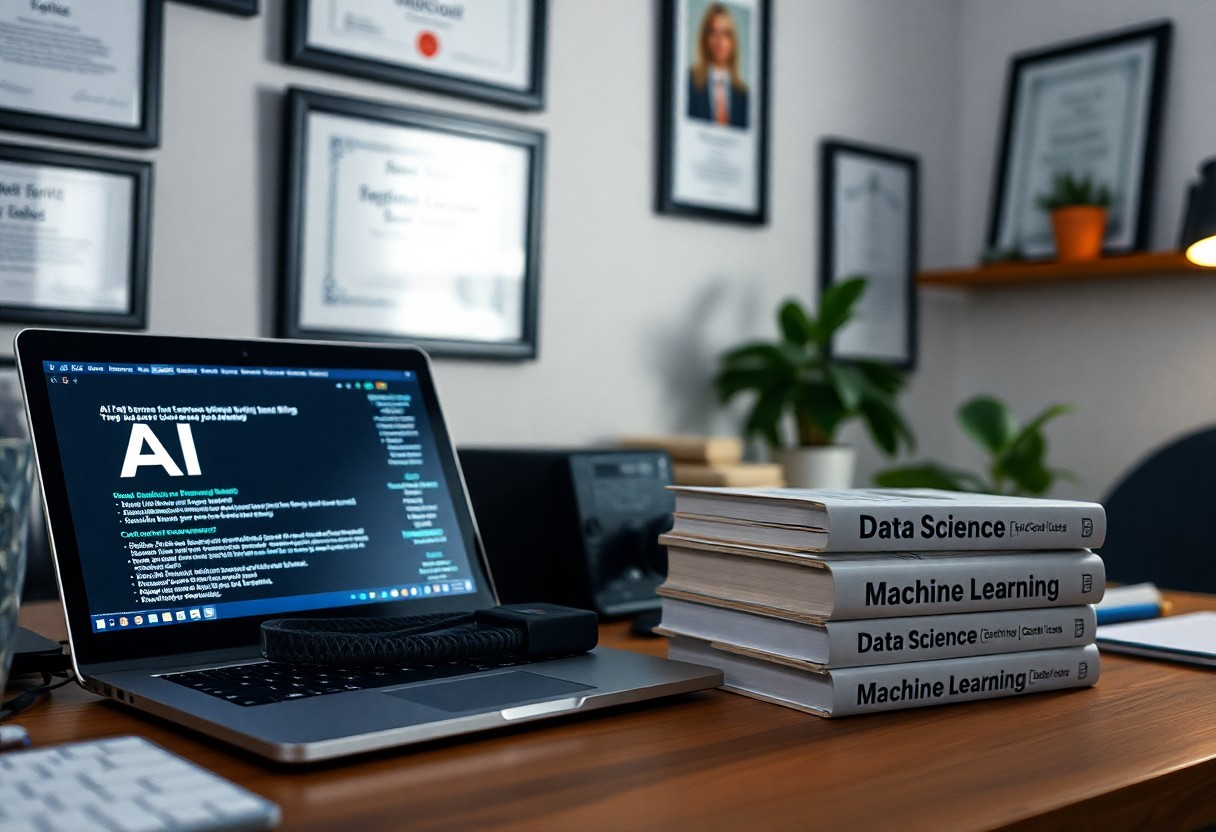
Emerging Remote Jobs Due to AI
The rise of AI not only replaces certain jobs but also spurs the emergence of new roles that require oversight and creativity. Roles in AI management, data analysis, and creative content generation are becoming increasingly relevant in the remote work landscape. As companies leverage AI technologies, you’ll find opportunities that focus on enhancing AI capabilities and ensuring ethical use. This shift presents exciting prospects for those willing to adapt and learn new skills.
AI Management and Oversight
AI management roles focus on overseeing the implementation and ethical use of artificial intelligence systems. You’ll be responsible for ensuring compliance with regulations, optimizing AI tools, and addressing any bias or data privacy concerns. This emerging field demands strong leadership and a deep understanding of both technology and ethics.
Creative Roles: Content Creation and Design
AI has transformed the landscape of creative roles, particularly in content creation and design. You’ll leverage AI tools to enhance your work, producing unique text, graphics, and multimedia content. The demand for skilled creatives who can collaborate with AI technologies is rising, as businesses seek innovative ways to engage their audiences.
As AI tools develop, you’ll see a significant shift in how content is created and designed. AI-driven applications can generate textual content, suggest design elements, and even produce music, making the creative process faster and more efficient. This synergy allows you to focus on the strategic and conceptual aspects of your work, fostering more original and compelling campaigns. For instance, designers now use AI to analyze trends and generate design ideas, enhancing their creative output while streamlining workflows. The result is a fusion of technology and creativity, paving the way for new career paths in the creative sector.
Skills Needed for the Future Job Market
To thrive in the evolving job landscape shaped by AI, you must focus on a blend of technical skills and soft skills. According to 60+ Stats On AI Replacing Jobs (2025), being adaptable is vital, as industries transform rapidly with technological advancements. Gaining expertise in both areas will position you for success amidst these transitions.
Technical Skills
Proficiency in data analysis, programming languages, and AI tools is increasingly important. Knowledge of platforms like Python, R, or machine learning frameworks can set you apart in a job market leaning toward automation and data-driven decision-making. As companies integrate AI, understanding how to leverage these technologies will enhance your employability in emerging fields.
Soft Skills and Adaptability
Alongside technical abilities, soft skills such as communication, teamwork, and creativity play a significant role in future job success. Employers will prioritize candidates who demonstrate flexibility and a willingness to learn. As workplace dynamics shift, your adaptability will enable you to navigate new challenges and collaborate effectively in diverse teams.
Soft skills foster collaboration, improve conflict resolution, and enhance customer relations, making them highly sought after in remote environments. For instance, strong communication ensures clarity in virtual settings, while problem-solving skills facilitate quick adaptation to unforeseen obstacles. A blend of these skills with technical expertise creates a well-rounded candidate capable of driving innovative projects forward in a tech-dominated future.
The Impact of AI on Employment Trends
The ongoing integration of AI into various sectors is reshaping employment patterns, forcing industries to adapt or risk obsolescence. While some roles fade away, new opportunities emerge, creating a dynamic job landscape. Understanding these changes helps you navigate career choices effectively in an evolving marketplace.
Workforce Displacement
As AI technologies advance, many positions face automation, resulting in workforce displacement across industries. You may notice roles like data entry, routine analysis, and even some aspects of project management becoming redundant. This shift challenges you to enhance your skills, focusing on areas where human intelligence and creativity can’t be easily replicated.
Job Creation and Economic Growth
While AI displaces certain jobs, it simultaneously generates new roles that require advanced skills and innovative thinking. Emerging sectors such as AI ethics, data science, and machine learning demand professionals who can harness AI capabilities for growth. Your adaptability and willingness to learn will position you favorably in this evolving economy, driving future job creation.
In fact, the World Economic Forum reports that by 2025, AI will displace 85 million jobs while creating 97 million new ones. This significant shift highlights a demand for roles in AI development, maintenance, and oversight. Skills in technology and soft skills, including problem-solving and interpersonal communication, will become increasingly valuable. As you invest in your education and training, you can leverage these trends to secure a prosperous career in the AI-driven workforce.
Preparing for an AI-Driven Job Market
Adapting to the AI-driven job market requires proactive measures. You must develop a mindset geared towards flexibility and adaptability. As automation continues to evolve, staying informed about industry trends and technology will position you advantageously. Engage with networks and communities that focus on technological advancements to enhance your understanding and awareness of emerging roles shaped by AI. Consider exploring roles that incorporate AI tools, as being tech-savvy is now important in many professions.
Upskilling and Reskilling Strategies
Identify skills currently in demand and invest time in upskilling or reskilling accordingly. Online platforms like Coursera and Udacity offer tailored courses in AI and data analysis, allowing you to cultivate relevant capabilities. Collaborate with employers who may provide training programs to help you transition into new roles, ensuring you remain competitive and valuable in your field.
Lifelong Learning Approaches
Embracing a lifelong learning mindset is vital in navigating the evolving job landscape. Regularly updating your skills and knowledge through workshops, webinars, and industry conferences can keep you abreast of changes and innovations. Additionally, seeking mentorship from experienced professionals can provide insights into the evolving demands of your industry, allowing you to adapt more effectively to shifts driven by AI.
Lifelong learning approaches encourage a continuous engagement with education and professional development. You might consider dedicating a few hours each week to learning, whether through online courses, reading industry-relevant books, or participating in discussion groups. This ongoing commitment enhances your adaptability and marketability, enabling you to leverage new opportunities as they arise. Examples of successful lifelong learners often include industry leaders who actively integrate learning into their daily routines, reiterating that adaptability is key in an AI-centric job market.
The Role of Employers in Transition
Employers play a pivotal role in guiding their teams through this evolving landscape. By anticipating the impact of AI on remote work, they can create a supportive environment that fosters adaptability. Open communication about changes and expectations will help employees feel more secure in their roles. Additionally, facilitating a culture of continuous learning ensures that workers remain competitive and engaged as their job functions change.
Supporting Remote Workers
Providing comprehensive support for remote workers is crucial during this transition. Employers can implement regular check-ins, promote work-life balance, and offer mental health resources to maintain employee morale. By prioritizing employee well-being, your organization can enhance engagement and productivity, ultimately fostering loyalty among remote teams.
Implementing Training Programs
Investing in targeted training programs equips your workforce with the necessary skills to thrive amid rapid technological shifts. Tailored courses on AI tools and digital competencies prepare employees for new job roles and responsibilities, ensuring they remain invaluable assets to your organization.
Training programs can be customized to address specific needs within your organization, encompassing everything from AI literacy to advanced digital collaboration. For example, a study by McKinsey found that companies that prioritize workforce development saw a 20% increase in productivity. Offering online workshops, webinars, and access to e-learning platforms creates a pathway for employees to upskill. Establishing mentorship opportunities further deepens your team’s knowledge base, promoting a culture of continuous improvement as AI continues to reshape the job market.
Summing up
With these considerations, it’s clear that AI is reshaping the remote job landscape by replacing certain roles while simultaneously creating new opportunities. You may find that positions requiring data analysis, automation management, and AI training are on the rise, while traditional roles like data entry may diminish. Embracing these changes can position you advantageously in the evolving job market, allowing you to harness AI to enhance your skills and advance your career.
FAQ
Q: What types of remote jobs are being replaced by AI?
A: Jobs that involve repetitive tasks, such as data entry, customer service chatbots, and basic report generation, are increasingly being replaced by AI technologies.
Q: How is AI creating new remote job opportunities?
A: AI is generating demand for roles in AI development, machine learning, data analysis, and AI ethics, leading to new job opportunities that involve overseeing and improving AI systems.
Q: Will AI lead to a net loss of remote jobs?
A: While some jobs may be automated, the emergence of new roles in tech and AI sectors suggests that there will be a net increase in remote job opportunities over time.
Q: What skills are important for remote jobs in the AI sector?
A: Important skills include programming, data science, machine learning, critical thinking, and an understanding of ethical considerations in AI.
Q: How can individuals prepare for the changes brought by AI in the job market?
A: Individuals can enhance their skill sets by pursuing relevant online courses, gaining experience with AI tools, and staying updated on industry trends to remain competitive in the job market.
Author


The Calamity Club: A Novel
$24.01 (as of September 19, 2026 07:39 GMT +00:00 – More infoProduct prices and availability are accurate as of the date/time indicated and are subject to change. Any price and availability information displayed on [relevant Amazon Site(s), as applicable] at the time of purchase will apply to the purchase of this product.)
I Love You to the Moon and Back
$4.40 (as of September 19, 2026 07:39 GMT +00:00 – More infoProduct prices and availability are accurate as of the date/time indicated and are subject to change. Any price and availability information displayed on [relevant Amazon Site(s), as applicable] at the time of purchase will apply to the purchase of this product.)
Brown Bear, Brown Bear, What Do You See?: 50th Anniversary Edition
$5.36 (as of September 19, 2026 07:39 GMT +00:00 – More infoProduct prices and availability are accurate as of the date/time indicated and are subject to change. Any price and availability information displayed on [relevant Amazon Site(s), as applicable] at the time of purchase will apply to the purchase of this product.)
Theo of Golden: A Novel
$12.99 (as of September 19, 2026 07:39 GMT +00:00 – More infoProduct prices and availability are accurate as of the date/time indicated and are subject to change. Any price and availability information displayed on [relevant Amazon Site(s), as applicable] at the time of purchase will apply to the purchase of this product.)
The Very Hungry Caterpillar
$5.75 (as of September 19, 2026 07:39 GMT +00:00 – More infoProduct prices and availability are accurate as of the date/time indicated and are subject to change. Any price and availability information displayed on [relevant Amazon Site(s), as applicable] at the time of purchase will apply to the purchase of this product.)
The Perilous Fight
$26.95 (as of September 19, 2026 07:39 GMT +00:00 – More infoProduct prices and availability are accurate as of the date/time indicated and are subject to change. Any price and availability information displayed on [relevant Amazon Site(s), as applicable] at the time of purchase will apply to the purchase of this product.)
The Nerd Reich: Silicon Valley Fascism and the War on Democracy
$30.00 (as of September 19, 2026 07:39 GMT +00:00 – More infoProduct prices and availability are accurate as of the date/time indicated and are subject to change. Any price and availability information displayed on [relevant Amazon Site(s), as applicable] at the time of purchase will apply to the purchase of this product.)
Protocols: An Operating Manual for the Human Body
$29.40 (as of September 19, 2026 07:39 GMT +00:00 – More infoProduct prices and availability are accurate as of the date/time indicated and are subject to change. Any price and availability information displayed on [relevant Amazon Site(s), as applicable] at the time of purchase will apply to the purchase of this product.)
Theo of Golden: A Novel
$12.99 (as of September 19, 2026 07:39 GMT +00:00 – More infoProduct prices and availability are accurate as of the date/time indicated and are subject to change. Any price and availability information displayed on [relevant Amazon Site(s), as applicable] at the time of purchase will apply to the purchase of this product.)




Leave a Reply