

Swan Song: Diana, my sister
$24.50 (as of September 19, 2026 07:39 GMT +00:00 – More infoProduct prices and availability are accurate as of the date/time indicated and are subject to change. Any price and availability information displayed on [relevant Amazon Site(s), as applicable] at the time of purchase will apply to the purchase of this product.)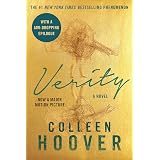
Verity
$13.53 (as of September 19, 2026 07:39 GMT +00:00 – More infoProduct prices and availability are accurate as of the date/time indicated and are subject to change. Any price and availability information displayed on [relevant Amazon Site(s), as applicable] at the time of purchase will apply to the purchase of this product.)
The Perilous Fight
$26.95 (as of September 19, 2026 07:39 GMT +00:00 – More infoProduct prices and availability are accurate as of the date/time indicated and are subject to change. Any price and availability information displayed on [relevant Amazon Site(s), as applicable] at the time of purchase will apply to the purchase of this product.)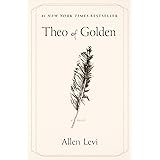
Theo of Golden: A Novel
$12.99 (as of September 19, 2026 07:39 GMT +00:00 – More infoProduct prices and availability are accurate as of the date/time indicated and are subject to change. Any price and availability information displayed on [relevant Amazon Site(s), as applicable] at the time of purchase will apply to the purchase of this product.)
Lost in Space: 5,000 Facts for Navigating the Universe
$35.00 (as of September 19, 2026 07:39 GMT +00:00 – More infoProduct prices and availability are accurate as of the date/time indicated and are subject to change. Any price and availability information displayed on [relevant Amazon Site(s), as applicable] at the time of purchase will apply to the purchase of this product.)Many individuals are exploring online courses as a profitable side hustle to work from home and achieve self-employment. This blog post will guide you through the imperative steps to create engaging content and effectively market your courses. You’ll learn how to identify your target audience, choose the right platforms, and implement marketing strategies to attract students. By leveraging your expertise and creativity, you can establish a successful online course business that not only generates income but also empowers others on their learning journey.

Key Takeaways:
- Identify your niche by leveraging your expertise and interests to design a course that addresses specific needs or problems of your target audience.
- Utilize user-friendly platforms for course creation and hosting, making it easy for you to upload content and for students to access materials.
- Develop a marketing strategy that includes social media promotion, email marketing, and potentially partnerships with influencers to reach a larger audience.
- Offer free content or previews to attract potential students, building trust and showcasing the value of your course before the actual purchase.
- Continuously gather feedback and adjust your course content and marketing strategies based on audience engagement and learning outcomes.
Turning Expertise Into Curriculum Gold
Create a course that transforms your knowledge into valuable content. Focus on extracting your expertise and molding it into a clear, actionable curriculum that your learners can follow step-by-step. The more relatable and practical your course material, the more likely you will engage with your audience and inspire them to take action.
Identifying Your Niche and Target Audience
Your niche acts as the cornerstone of your course creation. Start by evaluating your skills, experiences, and passions to discover potential topics that resonate with your interests. Targeting a specific audience allows you to tailor your content closely to their needs, increasing engagement and ensuring your course stands out in a crowded market.
Structuring Course Content for Maximum Engagement
A well-structured course keeps students engrossed while facilitating learning. Consider breaking your content into bite-sized modules or lessons that build upon one another. Use a mix of video, text, and interactive materials to cater to different learning styles and maintain interest. Incorporate quizzes, assignments, and community forums to actively involve learners and encourage collaboration, which can significantly boost retention rates and overall satisfaction with your course.
Engagement can skyrocket when you integrate storytelling into your lessons. Sharing personal experiences or case studies not only humanizes the material but also fosters connection. For example, if you’re teaching an online marketing course, illustrating key points with real-life success stories can inspire students and encourage them to apply the lessons you’ve shared. As you develop your curriculum, think about what keeps you engaged as a learner, then apply those same elements to your course design.
Crafting Your Course: The Technical Toolbox
The technical aspects of course creation can feel daunting, but with the right tools and strategies, you can bring your online course to life efficiently. Navigating platforms, incorporating multimedia, and mastering course delivery will enhance both your workflow and the learner’s experience. With a solid toolbox at your disposal, you can focus on delivering quality content while ensuring your course is well-structured and engaging for your audience.
Selecting the Right Platform for Hosting and Delivery
Incorporating Multimedia Elements for Enhanced Learning
Integrating multimedia elements is pivotal in crafting engaging online courses. High-quality videos, audio clips, infographics, and interactive quizzes can enhance retention and make learning enjoyable. Visual learners, for instance, often grasp concepts better when they can see diagrams or watch demonstrations. Utilizing tools such as Canva for graphics or Camtasia for video editing allows you to create professional-looking materials that cater to diverse learning styles.
Enhancing your course with multimedia elements can transform the learning experience significantly. Videos facilitate demonstrations while audio can reinforce key points, catering to different learning preferences. For instance, a study by the University of Wisconsin found that students learn 60% faster when using multimedia rather than traditional text-only approaches. You can also incorporate dynamic elements like interactive simulations or gamified lessons to boost motivation and engagement. By diversifying your content delivery, you cater to a broader audience and foster an enriched learning environment.
Branding Your Course: The Art of Positioning
Effective branding is at the core of a successful online course. It requires understanding your target audience, identifying what sets your course apart, and developing a positioning strategy that resonates with potential learners. Strong branding helps create trust and establishes your authority in the niche, turning your course into a sought-after educational resource.
Designing Compelling Course Titles and Descriptions
Your course title and description serve as the first impression for potential students. Craft titles that evoke curiosity and communicate value, while descriptions should clearly articulate outcomes, ensuring they align with your audience’s goals. Use action-oriented language, and highlight unique selling points that differentiate your course from others.
Building a Professional Brand Identity
A solid brand identity conveys professionalism and fosters trust among your audience. This involves creating a cohesive visual representation, including a logo, color scheme, and typography that reflect the essence of your course. All materials, from your website to course previews, should align with this visual identity. Consistency is key, as it reinforces your brand’s message and makes it memorable.
Consider developing a brand style guide to ensure all future content adheres to your established branding elements. Incorporating high-quality visuals, engaging content, and a user-friendly website design contributes to a cohesive experience for your students. Additionally, sharing testimonials and success stories visually can enhance your brand’s credibility. For instance, using video testimonials in your promotional materials not only showcases the impact of your course but also strengthens your brand’s identity, fostering a community of trust and loyalty among your students.
Strategic Marketing for Course Visibility
Visibility is the bridge between your course and your target audience. Crafting a strategic marketing plan not only helps in creating awareness but also drives enrollment. Start by identifying the most effective channels to reach your audience, such as social media, email, and content marketing. Each of these can amplify your message and showcase the unique value of your course, leading to increased interest and sales. The key lies in consistency and engagement, aligning your marketing efforts with the needs and preferences of your potential students.
Leveraging Social Media to Reach Potential Students
Utilizing social media platforms like Facebook, Instagram, and LinkedIn allows you to connect directly with your potential students. Share engaging content related to your course, such as tips, quizzes, or testimonials, and use targeted ads to reach specific demographics. Tailoring your posts to resonate with your audience ensures that you capture their attention and foster a community around your course topic.
Utilizing Email Marketing for Course Promotion
Email marketing remains one of the most effective ways to promote your course and nurture leads. By building an email list through lead magnets, like free resources or webinars, you create a direct line of communication with interested individuals. Regular newsletters can keep your audience informed about course updates, share valuable insights, and ultimately encourage them to enroll. Personalized messages and engaging content can significantly improve open rates and click-through rates, leading to higher conversion rates.
To maximize the effectiveness of your email marketing, segment your audience based on their interests or engagement levels. This allows you to tailor your messages, making them more relevant and appealing to each group. Share success stories from previous students to create social proof, and leverage urgency by offering limited-time discounts or bonuses. Tools like Mailchimp or ConvertKit can help you automate this process, ensuring that you maintain consistent communication and follow up with potential students effortlessly. Effective email marketing not only drives enrollment but also builds a loyal community around your courses.
Monetization Strategies: Beyond Basic Pricing
Exploring diverse monetization strategies adds depth to your income potential beyond simple course pricing. Consider options such as tiered pricing, subscription models, or bundled offers that provide added value to your customers. By tailoring these strategies to your audience’s needs, you can significantly boost your earnings while creating a nuanced experience that captures and retains learners’ interest.
Exploring Subscription Models and Bundled Offers
Subscription models offer a steady revenue stream by granting learners ongoing access to a library of courses or resources for a monthly fee. Bundled offers can enhance customer appeal by providing a collection of courses at a discounted price, encouraging users to invest in multiple offerings. Both approaches foster a sense of community and ongoing learning, making them attractive options for course creators.
Implementing Free Trials and Promotions
Free trials and promotions prove effective in lowering barriers to entry, enticing hesitant customers to try your course. Offering limited-time discounts or a complimentary preview can create a sense of urgency, boosting initial sign-ups. For instance, platforms like Amazon offer 30-day free trials that convert many users into paying customers, showcasing the potential of this approach. By measuring conversion rates after trials, you can determine the effectiveness of various promotions and adjust strategies accordingly.
Conclusion
Upon reflecting, by applying the right strategies to create and market your online courses, you can build a sustainable side hustle from the comfort of your home. Focus on identifying your niche, developing quality content, and leveraging social media and email marketing to reach your target audience. Continuously engage with your learners and seek feedback to enhance your courses. With dedication and effective strategies, you can transform your knowledge into a profitable business venture.
FAQ
Q: What steps should I take to create an online course?
A: The process of creating an online course typically involves several key steps. First, identify your area of expertise and target audience. Next, outline the course content, breaking it down into modules or sections that will be easy for students to understand. After that, create the course materials, including videos, PDFs, quizzes, and assignments if needed. Finally, use a course platform like Teachable, Udemy, or Thinkific to host your course where students can enroll and access your content.
Q: How can I effectively market my online course?
A: Marketing your online course involves multiple strategies. Start by leveraging social media platforms to create awareness and build your audience. Engaging content like blog posts, videos, or podcasts related to your course topic can attract potential students. Additionally, consider using email marketing by capturing emails through a mailing list and sending out valuable content alongside promotions for your course. Influencer collaborations and paid advertising can also help reach a broader audience.
Q: What is the best platform to host my online course?
A: Choosing the right platform depends on your specific needs and budget. Popular platforms for hosting online courses include Teachable, Thinkific, Udemy, and Kajabi. Each platform has its own set of features, such as ease of use, pricing structures, and marketing tools. It’s important to consider which features you value most, such as course analytics, payment processing, and customer support, when selecting a platform.
Q: How do I set a pricing strategy for my online course?
A: Setting a pricing strategy involves considering several factors. Research similar courses in your niche to understand the market rate. Also, think about the value your course provides compared to others. You might choose a tiered pricing model, offering basic content for a lower price and premium content for a higher price. Consider promotions or introductory pricing to encourage early sign-ups. Additionally, be transparent about what students will learn and how it benefits them to justify your pricing.
Q: What are some common mistakes to avoid when creating an online course?
A: Some common mistakes include not doing enough market research before creating your course, which can lead to low demand. Additionally, failing to provide high-quality content or a poor user experience can deter students. It’s also important to engage with your audience; ignoring their feedback can result in missed opportunities for improvement. Lastly, do not overlook the importance of a solid marketing plan; a great course won’t sell itself without effective promotion.
Author

Paint by Sticker Kids (Official): Halloween: Create 10 Pictures One Sticker at a Time! Includes Glow-in-the-Dark Stickers
$5.21 (as of September 19, 2026 07:39 GMT +00:00 – More infoProduct prices and availability are accurate as of the date/time indicated and are subject to change. Any price and availability information displayed on [relevant Amazon Site(s), as applicable] at the time of purchase will apply to the purchase of this product.)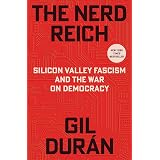
The Nerd Reich: Silicon Valley Fascism and the War on Democracy
$30.00 (as of September 19, 2026 07:39 GMT +00:00 – More infoProduct prices and availability are accurate as of the date/time indicated and are subject to change. Any price and availability information displayed on [relevant Amazon Site(s), as applicable] at the time of purchase will apply to the purchase of this product.)
Yesteryear: A GMA Book Club Pick: A Novel
$14.99 (as of September 19, 2026 07:39 GMT +00:00 – More infoProduct prices and availability are accurate as of the date/time indicated and are subject to change. Any price and availability information displayed on [relevant Amazon Site(s), as applicable] at the time of purchase will apply to the purchase of this product.)
World of Eric Carle, Around the Farm 30-Button Animal Sound Book – Great for First Words – PI Kids
$3.46 (as of September 19, 2026 07:39 GMT +00:00 – More infoProduct prices and availability are accurate as of the date/time indicated and are subject to change. Any price and availability information displayed on [relevant Amazon Site(s), as applicable] at the time of purchase will apply to the purchase of this product.)
The Very Hungry Caterpillar
$5.75 (as of September 19, 2026 07:39 GMT +00:00 – More infoProduct prices and availability are accurate as of the date/time indicated and are subject to change. Any price and availability information displayed on [relevant Amazon Site(s), as applicable] at the time of purchase will apply to the purchase of this product.)
Lost in Space: 5,000 Facts for Navigating the Universe
$35.00 (as of September 19, 2026 07:39 GMT +00:00 – More infoProduct prices and availability are accurate as of the date/time indicated and are subject to change. Any price and availability information displayed on [relevant Amazon Site(s), as applicable] at the time of purchase will apply to the purchase of this product.)
Murdoku: 80 Murder Mystery Logic Puzzles
$11.54 (as of September 19, 2026 07:39 GMT +00:00 – More infoProduct prices and availability are accurate as of the date/time indicated and are subject to change. Any price and availability information displayed on [relevant Amazon Site(s), as applicable] at the time of purchase will apply to the purchase of this product.)
The Very Hungry Caterpillar
$5.75 (as of September 19, 2026 07:39 GMT +00:00 – More infoProduct prices and availability are accurate as of the date/time indicated and are subject to change. Any price and availability information displayed on [relevant Amazon Site(s), as applicable] at the time of purchase will apply to the purchase of this product.)
The Let Them Theory: A Life-Changing Tool That Millions of People Can’t Stop Talking About
$18.94 (as of September 19, 2026 07:39 GMT +00:00 – More infoProduct prices and availability are accurate as of the date/time indicated and are subject to change. Any price and availability information displayed on [relevant Amazon Site(s), as applicable] at the time of purchase will apply to the purchase of this product.)




Leave a Reply