
Protocols: An Operating Manual for the Human Body
$29.40 (as of September 19, 2026 07:39 GMT +00:00 – More infoProduct prices and availability are accurate as of the date/time indicated and are subject to change. Any price and availability information displayed on [relevant Amazon Site(s), as applicable] at the time of purchase will apply to the purchase of this product.)
A Court of Forgotten Melody: The Valkyrie Cycle, Movements II & III (A Court of Thorns and Roses, 7)
$26.60 (as of September 19, 2026 07:39 GMT +00:00 – More infoProduct prices and availability are accurate as of the date/time indicated and are subject to change. Any price and availability information displayed on [relevant Amazon Site(s), as applicable] at the time of purchase will apply to the purchase of this product.)
The Unselected Journals of Emma M. Lion: Vol. 9
$21.00 (as of September 19, 2026 07:39 GMT +00:00 – More infoProduct prices and availability are accurate as of the date/time indicated and are subject to change. Any price and availability information displayed on [relevant Amazon Site(s), as applicable] at the time of purchase will apply to the purchase of this product.)
You’re My Little Baby Boo (Board Book for Babies and Toddlers 0-2 years old)
$5.27 (as of September 19, 2026 07:39 GMT +00:00 – More infoProduct prices and availability are accurate as of the date/time indicated and are subject to change. Any price and availability information displayed on [relevant Amazon Site(s), as applicable] at the time of purchase will apply to the purchase of this product.)
Threshing Day (Wing and Claw Collection) (The Empyrean)
$17.48 (as of September 19, 2026 07:39 GMT +00:00 – More infoProduct prices and availability are accurate as of the date/time indicated and are subject to change. Any price and availability information displayed on [relevant Amazon Site(s), as applicable] at the time of purchase will apply to the purchase of this product.)If you’re tired of scraping by on pennies per word, it’s time to up your freelance writing game. You know you’ve got the talent, but turning it into a lucrative career takes more than just good writing skills. It takes strategy, persistence, and a willingness to learn from your mistakes. In this post, you’ll discover the imperative freelance writing tips to help you earn good money doing what you love. From finding high-paying clients to optimizing your workflow, we’ll cover the practical advice you need to take your freelance writing career to the next level.
Key Takeaways:
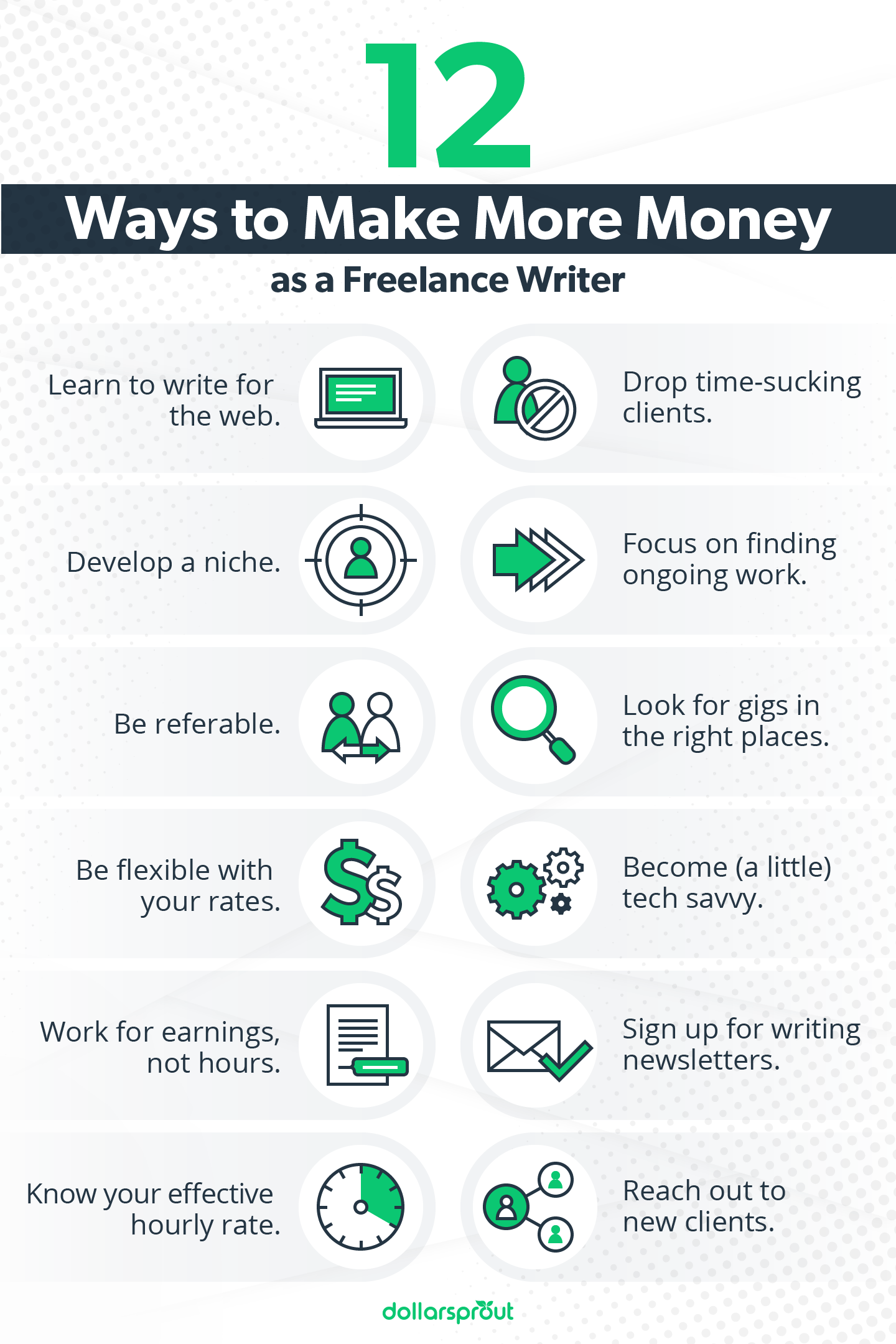
- Specialize in a Niche: Focus on a specific area of expertise to stand out from the competition and increase earning potential. This could be technology, healthcare, finance, or any other industry that aligns with your skills and interests.
- Develop a Strong Online Presence: Create a professional website and social media profiles to showcase your portfolio, skills, and services. This will help you attract clients and demonstrate your credibility as a freelance writer.
- Set Competitive Rates: Research the market to determine fair and competitive rates for your services. Consider factors such as the type of content, word count, and client budget to ensure you’re earning a good income.
- Build a Network of Clients and Referrals: Foster long-term relationships with clients and encourage referrals to build a steady stream of income. This can be achieved through excellent communication, meeting deadlines, and delivering high-quality work.
- Continuously Improve Your Skills: Stay up-to-date with industry trends, best practices, and new tools to deliver high-quality content and stay ahead of the competition. This can be achieved through online courses, workshops, and attending industry events.
Setting Up for Success
While becoming a successful freelance writer requires dedication and hard work, setting yourself up for success from the start can make all the difference.
Identifying Your Niche
Avoiding the “jack-of-all-trades” approach, any serious freelance writer needs to identify their niche or area of expertise. This could be technology, healthcare, finance, or any other industry that you have experience or passion for. By focusing on a specific niche, you’ll be able to stand out from the competition and attract higher-paying clients.
Building a Professional Online Presence
Niche expertise aside, having a professional online presence is crucial in today’s digital age. You need a platform to showcase your skills, share your portfolio, and connect with potential clients.
To build a professional online presence, you’ll need a website or blog that highlights your writing services, skills, and experience. This will serve as your digital business card, allowing clients to find and assess your credentials. Consider investing in a custom domain name and a clean, easy-to-navigate design that reflects your personal brand. By having a professional online presence, you’ll be taken more seriously by potential clients and be more likely to land high-paying gigs.
Crafting Your Pitch
Even the most talented writers can struggle to land clients if they don’t know how to craft a compelling pitch. Your pitch is often the first impression you make on a potential client, so it’s necessary to get it right.
Researching Potential Clients
The key to a successful pitch is to understand the client’s needs and tailor your pitch accordingly. Research the company, their industry, and their target audience to get a sense of what they’re looking for in a writer.
Writing a Compelling Pitch
Potential clients are bombarded with pitches every day, so yours needs to stand out from the crowd. Keep your pitch concise, clear, and focused on the benefits you can bring to the client.
A well-written pitch should highlight your relevant experience, skills, and achievements. Be specific about how you can help the client achieve their goals, and provide examples of your previous work that demonstrate your expertise.
Following Up on Leads
Pitch rejection is a harsh reality of freelance writing, but it’s not a reason to give up. If you don’t hear back from a client within a week or two, send a polite follow-up email to inquire about the status of your pitch.
Leads can go cold quickly, so it’s necessary to stay top of mind with potential clients. A gentle reminder about your pitch can help keep you in the running for the project, and may even prompt the client to reach out to discuss further.
Producing High-Quality Content
Now that you’ve landed a freelance writing gig, it’s time to deliver high-quality content that will impress your clients and keep them coming back for more. This requires discipline, research, and attention to detail.
Developing a Writing Routine
Establishing a consistent writing routine helps you stay focused and productive. Set aside a specific time and place to write, and stick to it. This will help you avoid procrastination and ensure that you meet your deadlines.
Conducting Effective Research
Conducting thorough research is crucial to producing high-quality content. You need to gather credible sources, verify facts, and organize your findings in a logical manner.
Research is not just about gathering information; it’s also about understanding your audience and tailoring your content to their needs. Take the time to read and analyze your sources, and make sure you’re presenting accurate and up-to-date information.
Editing and Revising Your Work
Editing is an vital step in the writing process. It’s where you refine your ideas, clarify your message, and eliminate errors.
Plus, editing is not just about grammar and punctuation; it’s also about ensuring that your content flows smoothly and is engaging to read. Take the time to review your work, make revisions, and proofread carefully before submitting your final draft.

Managing Your Time and Finances
Once again, as a freelance writer, you’re not just responsible for producing high-quality content, but also for managing your time and finances effectively. This is crucial to earning good money and maintaining a sustainable career.
Creating a Schedule and Sticking to It
On any given day, you’ll have multiple projects and deadlines to juggle. Creating a schedule helps you prioritize tasks, allocate time wisely, and avoid last-minute rushes. Set realistic goals, break them down into smaller chunks, and stick to your plan.
Setting Competitive Rates
On the path to financial success, setting competitive rates is necessary. Research the market, understand your worth, and price your services accordingly. Don’t undercharge or overcharge – find a sweet spot that reflects your skills and expertise.
Schedule regular rate reviews to ensure you’re staying competitive. As you gain more experience and build a portfolio, you may need to adjust your rates to reflect your growing value. Keep in mind, your rates are a reflection of your professionalism and the quality of service you offer.
Tracking Your Earnings and Expenses
One of the most critical aspects of managing your finances is tracking your earnings and expenses. Keep accurate records of your income, invoices, and expenditures to understand your cash flow and make informed decisions.
Sticking to a budget and monitoring your expenses helps you identify areas where you can cut costs and optimize your finances. You’ll be able to make smart investments in your business, such as courses or tools, and avoid financial pitfalls that can derail your freelance writing career.
Finding and Landing High-Paying Clients
Keep in mind that finding high-paying clients requires a strategic approach. It’s not just about sending out pitches and hoping for the best. You need to focus on building relationships, identifying lucrative opportunities, and crafting compelling proposals that showcase your value.
Networking and Making Connections
Finding the right connections can open doors to high-paying opportunities. Attend industry events, join online communities and forums, and engage with potential clients on social media to build your network.
Identifying Lucrative Industries and Niches
High-paying clients often reside in industries that value quality content, such as finance, technology, and healthcare. Identify these niches and tailor your services to meet their specific needs.
With a clear understanding of these industries, you can develop a specialized skillset that commands higher rates. For instance, if you have expertise in financial writing, you can target banks, investment firms, and financial institutions that are willing to pay top dollar for high-quality content.
Pitching to High-Paying Clients
Landing high-paying clients requires a persuasive pitch that highlights your unique value proposition. Craft a tailored proposal that speaks directly to the client’s needs and showcases your expertise.
Another key aspect of pitching to high-paying clients is confidence. Believe in your worth and the value you bring to the table. Avoid apologetic or hesitant language, and instead, focus on the benefits you can deliver to the client. This will help you stand out from the competition and increase your chances of landing high-paying projects.
Staying Organized and Productive
Not only do you need to produce high-quality writing, but you also need to manage your time and workflow efficiently to meet deadlines and deliver results to clients. As a freelance writer, you’re responsible for every aspect of your business, from finding clients to managing projects and delivering results.
Using Tools and Software to Streamline Your Work
Sophisticated software can help you stay organized and focused. You can use project management tools like Trello or Asana to keep track of multiple projects, set deadlines, and prioritize tasks. These tools also allow you to collaborate with clients and other team members seamlessly.
Prioritizing Tasks and Managing Deadlines
Savvy freelancers know how to prioritize tasks and manage deadlines effectively. You need to identify the most critical tasks that require your attention and focus on those first.
Using a task list or calendar, you can break down large projects into smaller, manageable tasks and allocate specific times for each task. This helps you stay on track, avoid procrastination, and deliver high-quality work on time.
Avoiding Distractions and Staying Focused
Centered freelancers know how to avoid distractions and stay focused on their work. You need to eliminate or minimize distractions, such as social media, email, or chatty colleagues, to maintain your productivity.
For instance, you can set specific times for checking email or social media, and use tools like website blockers or apps that help you stay focused. By minimizing distractions, you can concentrate on your writing and produce high-quality work efficiently.
Conclusion
So, you’ve got the itch to make a living as a freelance writer. You’ve got the skills, the drive, and now, the tips to earn good money. Do not forget, it’s not just about writing well, it’s about marketing yourself, setting rates that reflect your worth, and delivering quality work consistently. You’ve got this. With persistence and dedication, you’ll be raking in the dough in no time. So, what are you waiting for? Get out there and start writing your way to financial freedom.
Here are 5 detailed questions and answers for the FAQ on “Freelance Writing Tips: How to Earn Good Money as a Freelance Writer”:
FAQ
Q: What are the necessary skills required to become a successful freelance writer?
A: To become a successful freelance writer, you need to possess strong writing and communication skills, attention to detail, and the ability to meet deadlines. Additionally, having a good understanding of grammar, punctuation, and spelling is crucial. You should also be able to research effectively, think critically, and be open to feedback and revisions. Furthermore, having a niche or specialty can help you stand out in a competitive market. Finally, being self-motivated, disciplined, and organized is vital to managing your time and workload as a freelancer.
Q: How do I find high-paying freelance writing gigs?
A: To find high-paying freelance writing gigs, you need to be proactive and strategic in your job search. Start by building a strong online presence, including a professional website and social media profiles. Utilize job boards, such as Upwork, Freelancer, and ProBlogger, to find high-paying opportunities. Network with other writers, editors, and potential clients through online communities, conferences, and events. Pitch directly to clients and publications that align with your niche and expertise. You can also use online resources, such as Glassdoor and Payscale, to research the going rate for freelance writers in your niche and negotiate fair rates with clients.
Q: What are some common mistakes that freelance writers make, and how can I avoid them?
A: Common mistakes that freelance writers make include undercharging, overcommitting, and failing to set clear boundaries with clients. To avoid these mistakes, set competitive rates based on your skills and experience, and be realistic about your workload and capacity. Establish clear communication channels with clients, including a contract or agreement that outlines the scope of work, payment terms, and deadlines. Additionally, prioritize self-care and take breaks to avoid burnout. Finally, continuously develop your skills and knowledge to stay competitive in the market.
Q: How do I manage my time effectively as a freelance writer?
A: To manage your time effectively as a freelance writer, create a schedule and stick to it. Set aside dedicated blocks of time for writing, research, and administrative tasks. Prioritize your projects based on deadlines and importance, and break them down into smaller, manageable tasks. Use tools, such as project management software and time-tracking apps, to stay organized and focused. Take regular breaks to avoid burnout, and learn to say no to non-necessary tasks that can derail your productivity. Finally, establish a routine for checking and responding to emails, and set boundaries with clients to maintain a healthy work-life balance.
Q: How do I negotiate fair rates with clients as a freelance writer?
A: To negotiate fair rates with clients as a freelance writer, research the going rate for your services and have a clear understanding of your worth. Be prepared to explain your rates and the value you bring to the project. Consider factors such as the complexity of the project, the client’s budget, and the level of expertise required. Be open to negotiation, but don’t compromise on your minimum acceptable rate. Consider offering tiered pricing or package deals to provide clients with options and flexibility. Finally, be confident and assertive in your negotiation, and be willing to walk away if the client is unwilling to meet your terms.
Author


Scholastic Flash Cards: Sight Words
$3.07 (as of September 19, 2026 07:39 GMT +00:00 – More infoProduct prices and availability are accurate as of the date/time indicated and are subject to change. Any price and availability information displayed on [relevant Amazon Site(s), as applicable] at the time of purchase will apply to the purchase of this product.)
The Altar of Pergamon: The Mystery of the Dark Angel and the Future of the World
$21.48 (as of September 19, 2026 07:39 GMT +00:00 – More infoProduct prices and availability are accurate as of the date/time indicated and are subject to change. Any price and availability information displayed on [relevant Amazon Site(s), as applicable] at the time of purchase will apply to the purchase of this product.)
One Man In: The Explosive Firsthand Account of the Lone Special-Ops Commando Who Fought Off a Major Terrorist Attack in Kenya
$30.00 (as of September 19, 2026 07:39 GMT +00:00 – More infoProduct prices and availability are accurate as of the date/time indicated and are subject to change. Any price and availability information displayed on [relevant Amazon Site(s), as applicable] at the time of purchase will apply to the purchase of this product.)
The Rainbow Fish
$5.20 (as of September 19, 2026 07:39 GMT +00:00 – More infoProduct prices and availability are accurate as of the date/time indicated and are subject to change. Any price and availability information displayed on [relevant Amazon Site(s), as applicable] at the time of purchase will apply to the purchase of this product.)
You’re My Little Baby Boo (Board Book for Babies and Toddlers 0-2 years old)
$5.27 (as of September 19, 2026 07:39 GMT +00:00 – More infoProduct prices and availability are accurate as of the date/time indicated and are subject to change. Any price and availability information displayed on [relevant Amazon Site(s), as applicable] at the time of purchase will apply to the purchase of this product.)
Threshing Day (Wing and Claw Collection) (The Empyrean)
$17.48 (as of September 19, 2026 07:39 GMT +00:00 – More infoProduct prices and availability are accurate as of the date/time indicated and are subject to change. Any price and availability information displayed on [relevant Amazon Site(s), as applicable] at the time of purchase will apply to the purchase of this product.)
Making Peace with What I Can’t Control: Find Relief from the Exhaustion of Overthinking, Trying to Fix Others, and Wanting to Figure It All Out
$21.98 (as of September 19, 2026 07:39 GMT +00:00 – More infoProduct prices and availability are accurate as of the date/time indicated and are subject to change. Any price and availability information displayed on [relevant Amazon Site(s), as applicable] at the time of purchase will apply to the purchase of this product.)
The Calamity Club: A Novel
$24.01 (as of September 19, 2026 07:39 GMT +00:00 – More infoProduct prices and availability are accurate as of the date/time indicated and are subject to change. Any price and availability information displayed on [relevant Amazon Site(s), as applicable] at the time of purchase will apply to the purchase of this product.)
Swan Song: Diana, my sister
$24.50 (as of September 19, 2026 07:39 GMT +00:00 – More infoProduct prices and availability are accurate as of the date/time indicated and are subject to change. Any price and availability information displayed on [relevant Amazon Site(s), as applicable] at the time of purchase will apply to the purchase of this product.)




Leave a Reply