

World of Eric Carle, Around the Farm 30-Button Animal Sound Book – Great for First Words – PI Kids
$3.46 (as of September 19, 2026 07:39 GMT +00:00 – More infoProduct prices and availability are accurate as of the date/time indicated and are subject to change. Any price and availability information displayed on [relevant Amazon Site(s), as applicable] at the time of purchase will apply to the purchase of this product.)
The Perilous Fight
$26.95 (as of September 19, 2026 07:39 GMT +00:00 – More infoProduct prices and availability are accurate as of the date/time indicated and are subject to change. Any price and availability information displayed on [relevant Amazon Site(s), as applicable] at the time of purchase will apply to the purchase of this product.)
Lost in Space: 5,000 Facts for Navigating the Universe
$35.00 (as of September 19, 2026 07:39 GMT +00:00 – More infoProduct prices and availability are accurate as of the date/time indicated and are subject to change. Any price and availability information displayed on [relevant Amazon Site(s), as applicable] at the time of purchase will apply to the purchase of this product.)
One Man In: The Explosive Firsthand Account of the Lone Special-Ops Commando Who Fought Off a Major Terrorist Attack in Kenya
$30.00 (as of September 19, 2026 07:39 GMT +00:00 – More infoProduct prices and availability are accurate as of the date/time indicated and are subject to change. Any price and availability information displayed on [relevant Amazon Site(s), as applicable] at the time of purchase will apply to the purchase of this product.)
The Altar of Pergamon: The Mystery of the Dark Angel and the Future of the World
$21.48 (as of September 19, 2026 07:39 GMT +00:00 – More infoProduct prices and availability are accurate as of the date/time indicated and are subject to change. Any price and availability information displayed on [relevant Amazon Site(s), as applicable] at the time of purchase will apply to the purchase of this product.)There’s a crucial aspect of digital marketing that can significantly impact a business’s online visibility – search engine optimization (SEO). In this informative blog post, we will investigate into expert tips and strategies to enhance your business’s search engine rankings. By following these actionable insights, you can elevate your online presence, drive more traffic to your website, and ultimately boost your business’s success in the competitive digital landscape. Let’s dive in and unlock the power of SEO specialist tips!
Key Takeaways:
- Keyword Research: Conduct thorough keyword research to identify high-value keywords relevant to your business.
- Optimize On-Page SEO: Improve on-page SEO elements such as meta tags, headers, and content to make your website more search engine friendly.
- Quality Content: Create high-quality, relevant, and engaging content that provides value to your target audience.
- Link Building: Build high-quality backlinks from reputable websites to increase your website’s authority and trustworthiness.
- Monitor and Analyze: Regularly monitor your website’s performance using analytics tools to track progress and make data-driven decisions for further optimization.
Keyword Research Essentials
Identifying Relevant Keywords
For a successful SEO strategy, identifying relevant keywords is crucial. Any SEO specialist should start by understanding their target audience and the language they use to search for products or services. By putting yourself in the shoes of your potential customers, you can brainstorm a list of keywords that are most likely to lead them to your business. Tools like Google Keyword Planner, SEMrush, or Ubersuggest can also help you expand your keyword list and provide valuable insights into search volumes and competition levels.
Analyzing Competitor Keywords
Any comprehensive keyword research should also involve analyzing competitor keywords. By studying your competitors’ strategies, you can gain valuable insights into which keywords are driving traffic to their websites. This can help you identify gaps in your own keyword strategy and uncover new opportunities for targeting high-potential keywords. The goal is not to copy your competitors’ keywords but to use the information to refine your own keyword list and stay competitive in the search results.
The analysis of competitor keywords can provide you with a better understanding of the market landscape, the keywords that are performing well for your competitors, and potential keyword opportunities that you may not have considered. By leveraging this information, you can refine your keyword strategy and improve your chances of ranking higher in search engine results pages.
Long-Tail Keywords for Better Conversions
On top of targeting broad keywords, incorporating long-tail keywords into your SEO strategy can lead to better conversion rates. Long-tail keywords are more specific and less competitive than generic keywords, making it easier to rank for them. While they may have lower search volumes, long-tail keywords often indicate higher purchase intent as they reflect more specific search queries. By optimizing your content for long-tail keywords that are closely related to your products or services, you can attract highly targeted traffic that is more likely to convert into customers.
Relevant content optimized for long-tail keywords can help your website attract highly qualified leads who are actively searching for the products or services you offer. By creating targeted content around long-tail keywords, you can improve your chances of capturing the attention of users at the bottom of the sales funnel and guide them towards making a purchase decision.
On-Page Optimization Strategies
Some of the most crucial aspects of improving search engine rankings revolve around on-page optimization strategies. This includes optimizing page titles, meta descriptions, header tags, content structure, and image visibility. By fine-tuning these elements, businesses can enhance their online presence and attract more organic traffic to their websites.
Crafting Compelling Page Titles
Any SEO specialist knows the significance of crafting compelling page titles. These titles not only indicate to search engines what a webpage is about but also serve as the first impression for potential visitors. A well-crafted page title should be concise, relevant to the content, and incorporate targeted keywords to improve search engine visibility.
Writing Engaging Meta Descriptions
Descriptions of metadata hold more power than you may think. Any SEO specialist will emphasize the importance of writing engaging meta descriptions that entice users to click through to your website. These short snippets provide a brief overview of the webpage’s content and can drastically impact click-through rates from search results pages. Another crucial aspect of on-page optimization is optimizing header tags and content structure. These elements not only enhance the readability and user experience but also help search engines understand the hierarchy and relevance of content on a webpage. By strategically using header tags (H1, H2, H3, etc.) and organizing content with proper structure, businesses can improve their chances of ranking higher in search results.
Optimizing Header Tags and Content Structure
OnPage optimization holds a special place in the world of SEO. By optimizing header tags and content structure, businesses can make their webpages more accessible to search engines. Properly structured content with relevant header tags not only improves readability but also signals to search engines the key topics and hierarchy of information on a page, ultimately boosting organic search visibility. Writing engaging meta descriptions is an often-overlooked aspect of on-page optimization. While meta descriptions may not directly impact search rankings, they play a crucial role in enticing users to click through to a website from search engine results pages. Crafting compelling and relevant meta descriptions can improve click-through rates and overall organic traffic to a site, making it an imperative task for any SEO specialist.
Image Optimization for Better Visibility
Optimizing images for better visibility is another vital on-page optimization strategy. Images not only enhance the visual appeal of a webpage but also provide opportunities for adding relevant keywords and descriptive alt text. By optimizing image file names, alt attributes, and sizes, businesses can improve their chances of ranking in image search results and attracting more organic traffic to their site. It’s imperative to pay attention to image optimization as part of your on-page SEO efforts to ensure that search engines can understand and index visual content effectively. By following best practices for image optimization, businesses can enhance their online visibility and attract a wider audience to their websites.
Content Creation and Marketing
Developing High-Quality, Relevant Content
All successful SEO strategies start with high-quality, relevant content. This is the foundation on which your website’s search engine rankings will be built. To improve your business’s search engine rankings, focus on creating content that is valuable to your target audience. This means understanding their needs, pain points, and interests, and tailoring your content to address these effectively. Ensure that your content is well-written, engaging, and optimized for relevant keywords to boost its visibility in search engine results.
Content Marketing Strategies for SEO
Marketing your content effectively is crucial for improving your business’s search engine rankings. Content marketing involves promoting your content through various channels to reach a wider audience and drive traffic to your website. By incorporating SEO best practices into your content marketing strategy, such as using relevant keywords, creating compelling meta descriptions, and building high-quality backlinks, you can enhance your website’s search visibility and attract more organic traffic.
An effective content marketing strategy not only helps improve your search engine rankings but also establishes your brand as an authoritative voice in your industry. By consistently creating and promoting valuable content that resonates with your target audience, you can build trust and credibility, leading to increased brand awareness and customer loyalty.
Repurposing Content for Maximum Reach
For instance, you can repurpose blog posts into engaging infographics or transform a webinar into a series of informative videos. By repurposing your content in different formats, you can reach a broader audience across various channels, including social media platforms, email newsletters, and online communities. This not only maximizes the reach of your content but also reinforces your brand messaging and strengthens your online presence.
Creation
Repurposing content is a cost-effective way to extend the lifespan of your existing content and reach new audiences. By repackaging your content in different formats, you can continue to drive traffic to your website and engage users across multiple touchpoints. With careful planning and creativity, you can leverage your existing content to boost your business’s search engine rankings and increase brand visibility.
High-quality content is the cornerstone of any successful SEO strategy. By creating valuable, relevant content that resonates with your target audience and then effectively marketing it through various channels, you can improve your business’s search engine rankings and drive organic traffic to your website. Note, consistency is key in content creation and marketing – keep producing high-quality content that adds value to your audience, and you’ll see your search engine rankings soar.
Technical SEO Fundamentals
Site Speed Optimization for Better Rankings
Rankings: To improve your website’s search engine rankings, site speed optimization is crucial. Search engines like Google prioritize fast-loading websites because they provide a better user experience. Slow-loading sites can lead to high bounce rates and lower rankings. Make sure to optimize images, enable browser caching, and leverage tools like PageSpeed Insights to enhance your site speed.
Mobile-Friendliness and Responsiveness
Responsiveness: To rank higher in search results, your website must be mobile-friendly and responsive. With the increasing use of mobile devices, search engines favor websites that are optimized for mobile viewing. Ensure your website design is responsive and adapts to different screen sizes for a seamless user experience across all devices.
It is necessary to prioritize mobile-friendliness as more users access the internet via smartphones and tablets. Google’s mobile-first index means that mobile-friendly websites are given preference in search rankings. Implement responsive design principles to cater to a diverse range of devices and screen sizes.
SSL Certificates and HTTPS Migration
Having an SSL certificate and migrating your website to HTTPS is critical for SEO. Secure websites are favored by search engines and are more trusted by users. HTTPS encryption protects data transmitted between the user and the website, enhancing security and boosting your site’s credibility. Ensure all pages on your site are served over HTTPS to improve your search engine rankings.
The migration to HTTPS is a ranking factor, and websites with SSL certificates are prioritized in search results. Secure connections build trust with users and signal to search engines that your website is safe to visit. HTTPS migration is a fundamental step in enhancing your website’s security and SEO performance.
XML Sitemaps and Robots.txt Files
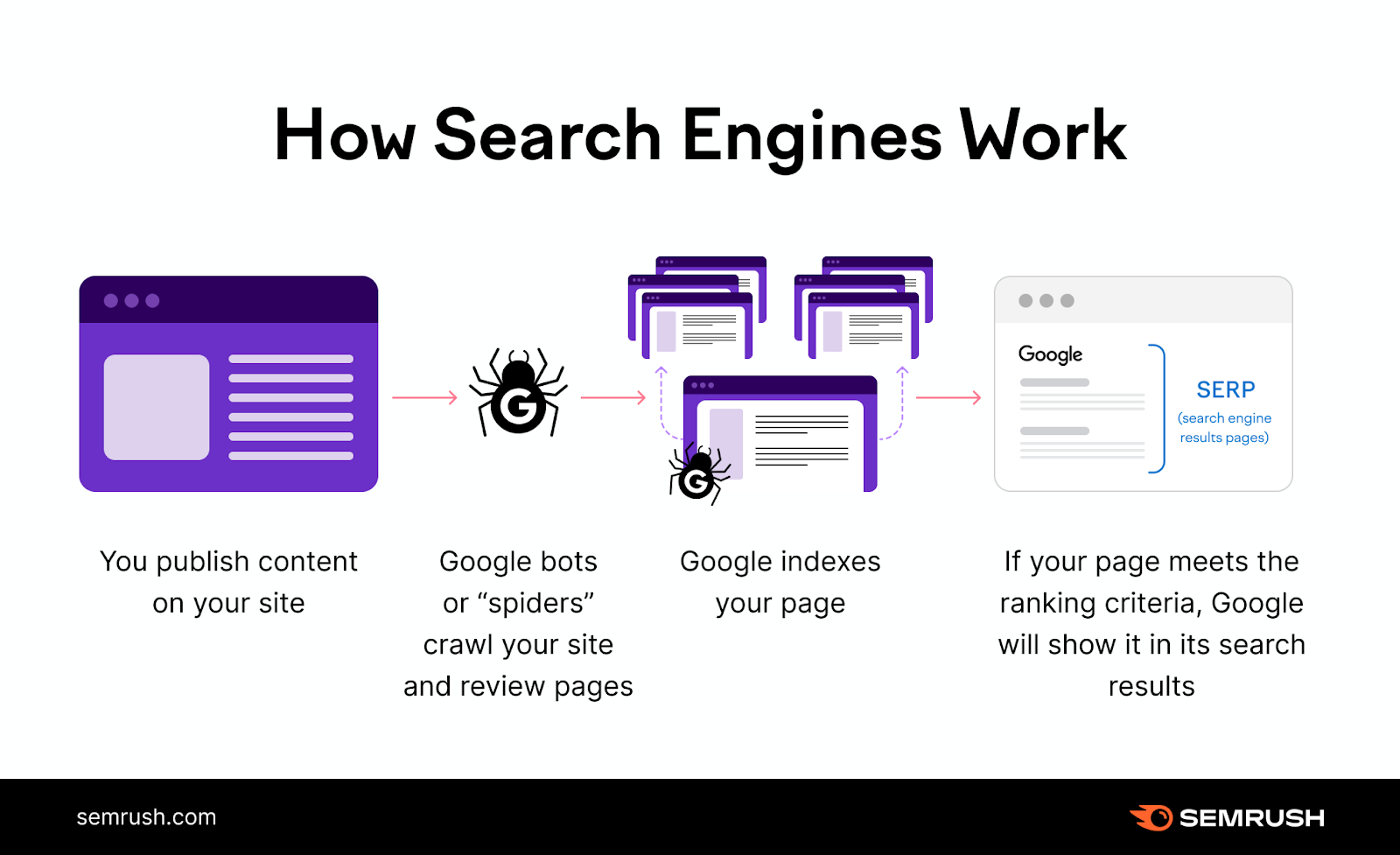
To enhance your website’s crawlability and indexability, ensure you have XML sitemaps and robots.txt files in place. XML sitemaps provide search engines with a roadmap of your website’s structure, making it easier for them to discover and index your pages. Robots.txt files allow you to control which pages search engines can crawl, preventing them from indexing sensitive or duplicate content.
Another crucial aspect of technical SEO is the proper setup of XML sitemaps and robots.txt files. These files help search engines navigate your site effectively and understand which pages to crawl and index. By optimizing these elements, you can improve your website’s visibility and rankings in search engine results pages.
Link Building and Outreach
Building High-Quality Backlinks
Not all backlinks are created equal. Quality over quantity should be the mantra when it comes to building backlinks for your website. Any SEO specialist worth their salt knows that high-authority, relevant backlinks can significantly boost your website’s search engine rankings. By securing backlinks from reputable websites in your industry or niche, you signal to search engines that your site is a trusted source of information.
Leveraging Guest Blogging for SEO
Outreach plays a crucial role in leveraging guest blogging for SEO. By reaching out to influential websites and offering to contribute valuable content, you not only gain exposure to a wider audience but also earn valuable backlinks to your website. Building relationships with other bloggers and site owners through guest blogging can lead to long-term SEO benefits and increased organic traffic to your site.
Broken Link Building and Resource Pages
Building relationships through broken link building is a strategic way to earn backlinks from relevant websites. By identifying broken links on websites in your industry and offering your content as a replacement, you provide value to site owners while gaining a valuable backlink to your own site. Guest posting on resource pages is another effective way to earn backlinks from high-quality websites, as these pages are often curated lists of resources that can benefit from fresh content.
Local SEO and Citations for Small Businesses
Any local business looking to improve its search engine rankings should focus on optimizing its online presence for local SEO. By creating consistent business listings across online directories and platforms, known as citations, you signal to search engines that your business is legitimate and trustworthy. Furthermore, local citations can help improve your visibility in local search results, making it easier for potential customers in your area to find and engage with your business.
Analytics and Tracking
Setting Up Google Analytics for SEO
After optimizing your website for search engines, it’s crucial to track the performance and understand user behavior to make informed decisions. An integral part of this process is setting up Google Analytics. By integrating your website with Google Analytics, you can gain valuable insights into traffic sources, user demographics, popular pages, and more. This data helps you understand how visitors interact with your site and where improvements are needed to enhance SEO.
Tracking Keyword Rankings and Progress
Tracking keyword rankings is imperative to monitor your SEO efforts’ effectiveness over time. By keeping a close eye on your target keywords’ positions in search results, you can identify trends, measure progress, and adjust your strategy accordingly. For instance, if you notice a significant drop in rankings for a particular keyword, it may indicate algorithm changes or increased competition in that space, prompting you to reevaluate your optimization tactics.
For instance, utilizing ranking tracking tools like SEMrush or Ahrefs can provide detailed insights into keyword performance, search volume, and competitiveness. These tools offer comprehensive data to help you analyze rankings, track progress, and make data-driven decisions to improve your SEO strategy.
Analyzing Conversion Rates and Goal Tracking
To measure the success of your SEO efforts beyond rankings, it’s imperative to analyze conversion rates and set up goal tracking in Google Analytics. By setting specific goals such as form submissions, purchases, or newsletter sign-ups, you can track user actions that lead to valuable outcomes for your business. Analyzing conversion rates helps you understand how well your website converts organic traffic into leads or customers, guiding you to optimize conversion paths for better results.
Setting up conversion tracking in Google Analytics provides valuable insights into the performance of your SEO campaigns and enables you to attribute conversions to specific keywords, pages, or traffic sources. By monitoring conversion rates alongside keyword rankings, you can evaluate the overall impact of your SEO strategy on driving meaningful actions on your website.
Using A/B Testing for SEO Improvement
Tracking the performance of different web page elements and content variations is crucial for optimizing your site for higher search engine rankings. A/B testing allows you to compare two versions of a webpage to determine which one performs better in terms of user engagement, click-through rates, and conversions. By testing elements like headlines, call-to-action buttons, or page layouts, you can identify what resonates best with your audience and drives desired actions.
With tools like Google Optimize or Optimizely, you can conduct A/B tests and gather data to make informed decisions about SEO improvements. By continuously testing and refining your website elements based on user interactions, you can enhance user experience, increase engagement, and ultimately boost your search engine rankings.
Conclusion
Summing up the SEO specialist tips provided in this article, it is crucial for businesses to focus on creating high-quality and relevant content, optimizing website performance, and building strong backlinks to improve search engine rankings. By following these expert recommendations and strategies, businesses can increase their online visibility, attract more organic traffic, and ultimately grow their digital presence.
Bear in mind, search engine optimization is an ongoing process that requires constant monitoring and adjustment. Stay up-to-date with the latest SEO trends and best practices to ensure that your business remains competitive in the digital landscape. Implementing these tips diligently can help you achieve better search engine rankings and reach your target audience effectively.
FAQ
Q: What is an SEO specialist?
A: An SEO specialist is a person who optimizes websites to improve their visibility in search engine results pages (SERPs) and drive organic traffic to the site.
Q: Why is it important to improve search engine rankings for businesses?
A: Improving search engine rankings is crucial for businesses because higher rankings lead to increased visibility, more organic traffic, and ultimately, more potential customers.
Q: What are some key tips for improving business search engine rankings?
A: Some key tips for improving business search engine rankings include optimizing website content with relevant keywords, improving website loading speed, building high-quality backlinks, and creating a mobile-friendly website.
Q: How can businesses identify the right keywords to target for SEO?
A: Businesses can identify the right keywords to target for SEO by conducting keyword research using tools like Google Keyword Planner, SEMrush, or Moz Keyword Explorer to find relevant keywords with high search volume and low competition.
What is the role of backlinks in SEO and how can businesses build quality backlinks?
A: Backlinks are incoming links from other websites to your website and are important for SEO as they signal to search engines that your site is a trustworthy source. Businesses can build quality backlinks by creating high-quality content that other websites want to link to, reaching out to industry influencers for collaborations, and guest posting on reputable websites in their industry.
Author


The Nerd Reich: Silicon Valley Fascism and the War on Democracy
$30.00 (as of September 19, 2026 07:39 GMT +00:00 – More infoProduct prices and availability are accurate as of the date/time indicated and are subject to change. Any price and availability information displayed on [relevant Amazon Site(s), as applicable] at the time of purchase will apply to the purchase of this product.)
The Let Them Theory: A Life-Changing Tool That Millions of People Can’t Stop Talking About
$18.94 (as of September 19, 2026 07:39 GMT +00:00 – More infoProduct prices and availability are accurate as of the date/time indicated and are subject to change. Any price and availability information displayed on [relevant Amazon Site(s), as applicable] at the time of purchase will apply to the purchase of this product.)
You’re My Little Baby Boo (Board Book for Babies and Toddlers 0-2 years old)
$5.27 (as of September 19, 2026 07:39 GMT +00:00 – More infoProduct prices and availability are accurate as of the date/time indicated and are subject to change. Any price and availability information displayed on [relevant Amazon Site(s), as applicable] at the time of purchase will apply to the purchase of this product.)
Whistler: A Novel
$14.99 (as of September 19, 2026 07:39 GMT +00:00 – More infoProduct prices and availability are accurate as of the date/time indicated and are subject to change. Any price and availability information displayed on [relevant Amazon Site(s), as applicable] at the time of purchase will apply to the purchase of this product.)
Lost in Space: 5,000 Facts for Navigating the Universe
$35.00 (as of September 19, 2026 07:39 GMT +00:00 – More infoProduct prices and availability are accurate as of the date/time indicated and are subject to change. Any price and availability information displayed on [relevant Amazon Site(s), as applicable] at the time of purchase will apply to the purchase of this product.)
Whistler: A Novel
$14.99 (as of September 19, 2026 07:39 GMT +00:00 – More infoProduct prices and availability are accurate as of the date/time indicated and are subject to change. Any price and availability information displayed on [relevant Amazon Site(s), as applicable] at the time of purchase will apply to the purchase of this product.)
The Altar of Pergamon: The Mystery of the Dark Angel and the Future of the World
$21.48 (as of September 19, 2026 07:39 GMT +00:00 – More infoProduct prices and availability are accurate as of the date/time indicated and are subject to change. Any price and availability information displayed on [relevant Amazon Site(s), as applicable] at the time of purchase will apply to the purchase of this product.)
World of Eric Carle, Around the Farm 30-Button Animal Sound Book – Great for First Words – PI Kids
$3.46 (as of September 19, 2026 07:39 GMT +00:00 – More infoProduct prices and availability are accurate as of the date/time indicated and are subject to change. Any price and availability information displayed on [relevant Amazon Site(s), as applicable] at the time of purchase will apply to the purchase of this product.)
A Court of Splintered Harmony: The Valkyrie Cycle, Movement I (A Court of Thorns and Roses, 6)
$22.40 (as of September 19, 2026 07:39 GMT +00:00 – More infoProduct prices and availability are accurate as of the date/time indicated and are subject to change. Any price and availability information displayed on [relevant Amazon Site(s), as applicable] at the time of purchase will apply to the purchase of this product.)




Leave a Reply