

World of Eric Carle, Around the Farm 30-Button Animal Sound Book – Great for First Words – PI Kids
$3.46 (as of September 19, 2026 07:39 GMT +00:00 – More infoProduct prices and availability are accurate as of the date/time indicated and are subject to change. Any price and availability information displayed on [relevant Amazon Site(s), as applicable] at the time of purchase will apply to the purchase of this product.)
Paint by Sticker Kids (Official): Halloween: Create 10 Pictures One Sticker at a Time! Includes Glow-in-the-Dark Stickers
$5.21 (as of September 19, 2026 07:39 GMT +00:00 – More infoProduct prices and availability are accurate as of the date/time indicated and are subject to change. Any price and availability information displayed on [relevant Amazon Site(s), as applicable] at the time of purchase will apply to the purchase of this product.)
Brown Bear, Brown Bear, What Do You See?: 50th Anniversary Edition
$5.36 (as of September 19, 2026 07:39 GMT +00:00 – More infoProduct prices and availability are accurate as of the date/time indicated and are subject to change. Any price and availability information displayed on [relevant Amazon Site(s), as applicable] at the time of purchase will apply to the purchase of this product.)
A Court of Forgotten Melody: The Valkyrie Cycle, Movements II & III (A Court of Thorns and Roses, 7)
$26.60 (as of September 19, 2026 07:39 GMT +00:00 – More infoProduct prices and availability are accurate as of the date/time indicated and are subject to change. Any price and availability information displayed on [relevant Amazon Site(s), as applicable] at the time of purchase will apply to the purchase of this product.)
Whistler: A Novel
$14.99 (as of September 19, 2026 07:39 GMT +00:00 – More infoProduct prices and availability are accurate as of the date/time indicated and are subject to change. Any price and availability information displayed on [relevant Amazon Site(s), as applicable] at the time of purchase will apply to the purchase of this product.)Workers across the globe are reassessing their location preferences, leading to significant shifts in remote work dynamics. You may be curious about which cities are feeling the impact of this transition. Analyzing LinkedIn data reveals trends and patterns in remote worker relocations, evidenced by a decline in numbers in certain urban areas. By understanding these shifts, you can gain insights into the changing landscape of remote work and what it means for various cities in the coming years.
Key Takeaways:
- Remote worker migration trends reveal significant movement from major urban centers.
- Many cities are experiencing a net loss of remote workers, influencing local economies.
- Factors such as cost of living, work-life balance, and quality of life drive relocations.
- Emerging cities are gaining popularity among remote workers, often due to lower expenses.
- Tech hubs face challenges retaining remote talent as flexible work options expand.
Overview of LinkedIn Data
LinkedIn’s data reveals valuable insights into the shifting landscape of remote work, highlighting which cities are losing talent and which are gaining. By analyzing user activity and migration patterns, you can uncover trends that underscore the evolving preferences of remote workers. This data not only illustrates the cities most affected by workforce changes but also presents an opportunity for businesses and policymakers to adapt to the new normal.
Methodology for Analyzing Remote Work Trends
The analysis begins with a comprehensive review of LinkedIn’s database, focusing on employment patterns and geographic transitions of remote workers. By examining location data from job seekers and employers, your understanding of where professionals are moving becomes clearer. This methodology utilizes analytics tools to track changes over time and reveals key cities experiencing notable workforce shifts.
Key Metrics Used in the Analysis
To effectively measure the impact of remote work trends, several key metrics were employed, including net migration rates, job postings in various cities, and engagement levels in remote job listings. These metrics provide a quantitative basis for assessing the flow of talent and the demand for remote employment options. In your analysis, consider these figures crucial for understanding broader employment dynamics.
Net migration rates reflect the difference between incoming and outgoing remote workers, giving you insight into cities gaining or losing talent. Job postings detail where companies are actively seeking remote employees, providing context to these migrations. Engagement levels from users searching for remote roles demonstrate interest and potential shifts in job markets, offering a granular view of trends that impact your career decisions and location preferences.
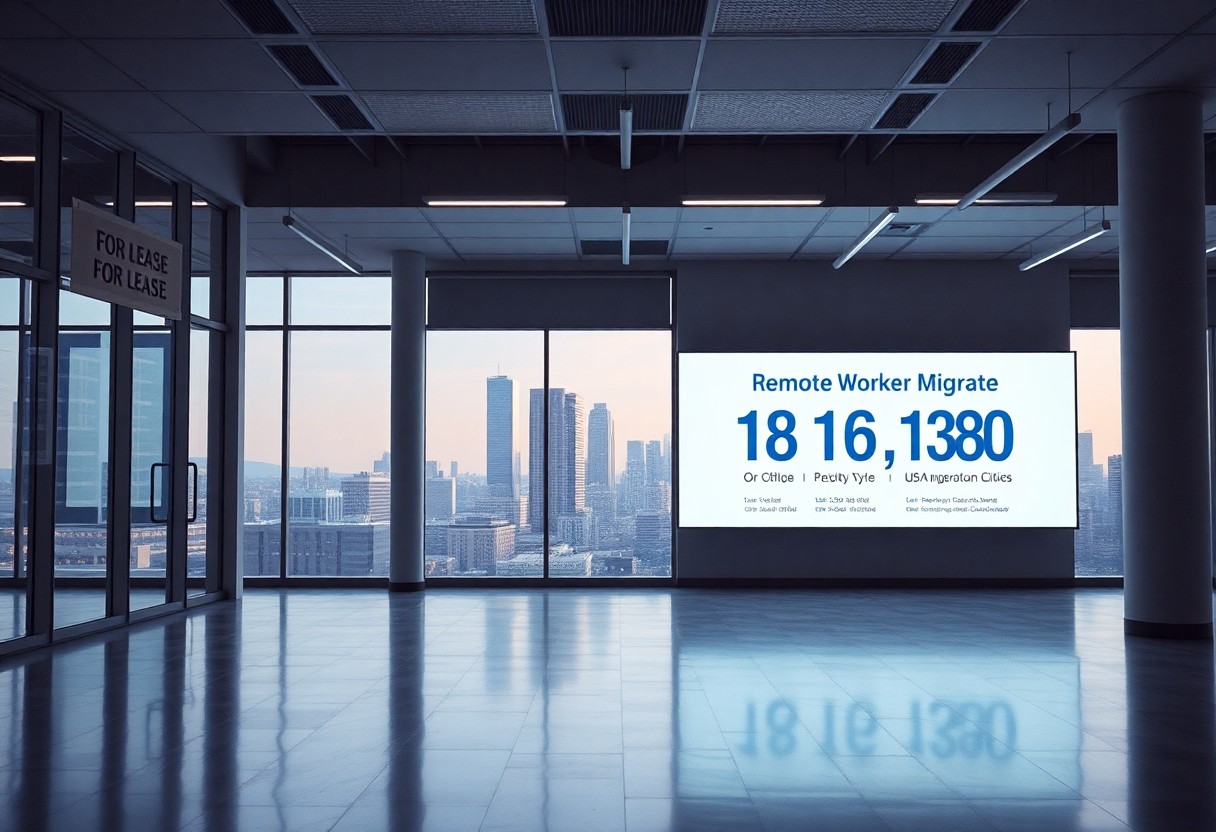
Cities Experiencing Workforce Exodus
As remote work becomes a permanent fixture, specific cities are witnessing a significant exodus of talent. Destinations like San Francisco, New York, and Los Angeles are reporting a considerable outflow of remote workers, driven by shifting priorities and a reassessment of living conditions. Many professionals are opting for locations that offer a better quality of life, more affordable housing, and access to natural surroundings, creating imbalances in these once-thriving urban centers.
Top Cities Losing Remote Workers
San Francisco tops the list, with an estimated 30,000 remote workers leaving in 2023 alone. New York follows closely, suffering a loss of about 25,000 professionals as many seek greener pastures. Los Angeles, once the hub of creative talent, is experiencing a decline of approximately 20,000 remote workers, with many relocating to cities like Austin and Denver, where the cost of living and lifestyle appeal are much higher.
Potential Reasons for Departures
The reasons behind these departures are multifaceted. Many remote workers are prioritizing affordability, seeking out places where their salaries stretch further. Others are drawn to cities that offer outdoor activities, a healthier lifestyle, and a sense of community. In many cases, individuals are reassessing what they value most in their environment, often placing a premium on quality of life over the prestige associated with traditional urban job markets.
You may find that financial considerations play a prominent role in influencing these migration patterns. The soaring costs of living in cities like San Francisco and New York have become untenable for many, pushing professionals to explore locales with a lower cost of living. Additionally, the desire for a more balanced lifestyle, characterized by proximity to nature and reduced congestion, is steering remote workers toward cities that provide these opportunities. As digital nomadism gains popularity, the shifting landscape reflects broader societal changes and evolving workplace expectations.
Impact on Local Economies
The migration of remote workers is reshaping local economies, shifting the economic landscape in cities losing talent. As individuals relocate, local businesses face reduced consumer spending, leading to potential layoffs and business closures. This trend can create a cycle where decreased demand contributes to further population decline, straining public services and infrastructure while decreasing tax revenues.
Economic Implications of Remote Worker Loss
Your city may see diminished growth prospects as remote workers relocate. Lower economic activity leads to job losses, restricted business development, and decreased investment in local initiatives. Municipalities struggle to maintain core services without the financial support that a vibrant, diverse workforce traditionally provides, impacting education, healthcare, and public safety.
Effects on Real Estate and Cost of Living
The demand for housing is directly influenced by the presence of remote workers. As remote workers leave, you might confront falling property values and increased vacancies, signaling a cooling real estate market. This shift could lower rental prices, but it may also create challenges for homeowners trying to sell their properties, ultimately leading to a more uncertain economic climate.
The decline in demand for housing can destabilize local real estate markets. With fewer buyers in the market, home prices may fall significantly, affecting homeowners’ equity and overall wealth. Additionally, less competition in rental markets can decrease rents, disproportionately impacting landlords who rely on steady rental income. Over time, this might lead to diminished property investment, further exacerbating economic challenges for your city and influencing broader demographic trends.
Comparative Analysis of Trends
| City | Trend |
|---|---|
| San Francisco | Exodus of tech workers |
| Austin | Increase in remote workers |
| New York | Stable with slight decline |
| Denver | Growing remote workforce |
Cities Gaining Remote Workers
As certain cities face workforce loss, others are experiencing a surge in remote workers. For example, Austin has seen an influx due to its favorable cost of living and vibrant culture, attracting tech professionals searching for both lifestyle and economic opportunities. Cities like Nashville and Miami have also emerged as strong contenders, drawing talent with their warm climates and burgeoning industries.
Regional Variations and Trends
Your analysis of trends reveals that remote work impacts cities differently based on regional characteristics. While urban centers like San Francisco and New York are losing ground, cities in the Sunbelt region, such as Atlanta and Phoenix, are thriving by capitalizing on lifestyle factors. The versatility of these cities makes them appealing, particularly to younger professionals looking for both work and lifestyle flexibility.
In examining these regional trends, you’ll notice that climate, cost of living, and local amenities significantly contribute to the migration patterns. For instance, areas with affordable housing and diverse social scenes are increasingly attractive, illustrating a shift in priorities for remote workers post-pandemic. As companies embrace flexibility, their workforce mobility greatly influences local economies and drives the evolution of urban landscapes across the U.S.

Future Implications for Remote Work
Your understanding of remote work trends is critical for anticipating future workforce dynamics. As cities adapt to talent migration, those left behind may struggle with labor shortages, while growing areas could see economic booms. Businesses should stay informed about these shifts to strategize effectively, referencing sources like Where People Are Moving—and When They’re Going Into…
Long-Term Predictions
You can expect remote work to evolve, with cities that attract remote workers becoming hubs for innovation and collaboration. The workforce landscape will shift, potentially leading to a rise in hybrid models as organizations adapt to employee preferences and talent availability.
Strategies for Retaining Remote Workforce
To retain your remote workforce, consider implementing policies that foster flexibility, support work-life balance, and encourage professional development. Cultivating an inclusive culture will also enhance employee loyalty and commitment.
Successful companies are prioritizing engagement through tailored training programs and regular check-ins, ensuring that remote employees feel connected and supported. For instance, offering mental health resources or incentivizing collaboration tools can significantly impact retention rates. Furthermore, recognizing and rewarding performance in virtual settings helps create a positive work environment, ultimately reducing turnover and promoting sustained productivity in your remote workforce.
Summing up
So, as you analyze LinkedIn data, it’s evident that certain cities are experiencing a decline in remote workers, impacting your potential job market and networking opportunities. Understanding these trends allows you to make informed decisions about your career trajectory and location preferences. By keeping an eye on these shifts, you can better position yourself to capitalize on emerging opportunities in more favorable cities.
FAQ
Q: Which cities are experiencing a decline in remote workers?
A: Cities like San Francisco, New York, and Los Angeles have seen a significant drop in remote workers as individuals move to other regions for lower costs and better quality of life.
Q: What factors are contributing to the loss of remote workers in these cities?
A: High living costs, housing shortages, and a desire for more space are primary factors driving remote workers away from traditionally popular urban areas.
Q: How does the shift in remote workers impact local economies?
A: The departure of remote workers can lead to decreased local spending, reduced demand for real estate, and potential challenges for local businesses that rely on a steady customer base.
Q: Are there specific industries affected by the loss of remote workers in these cities?
A: Tech, finance, and media industries are particularly impacted as many remote workers in these sectors choose to relocate, affecting talent availability and local company operations.
Q: What can cities do to attract and retain remote workers?
A: Cities can implement incentives such as tax breaks, improved infrastructure, and investment in local amenities to create a more appealing environment for remote workers.
Author


The Very Hungry Caterpillar
$5.75 (as of September 19, 2026 07:39 GMT +00:00 – More infoProduct prices and availability are accurate as of the date/time indicated and are subject to change. Any price and availability information displayed on [relevant Amazon Site(s), as applicable] at the time of purchase will apply to the purchase of this product.)
Paint by Sticker Kids (Official): Halloween: Create 10 Pictures One Sticker at a Time! Includes Glow-in-the-Dark Stickers
$5.21 (as of September 19, 2026 07:39 GMT +00:00 – More infoProduct prices and availability are accurate as of the date/time indicated and are subject to change. Any price and availability information displayed on [relevant Amazon Site(s), as applicable] at the time of purchase will apply to the purchase of this product.)
A Court of Forgotten Melody: The Valkyrie Cycle, Movements II & III (A Court of Thorns and Roses, 7)
$26.60 (as of September 19, 2026 07:39 GMT +00:00 – More infoProduct prices and availability are accurate as of the date/time indicated and are subject to change. Any price and availability information displayed on [relevant Amazon Site(s), as applicable] at the time of purchase will apply to the purchase of this product.)
Protocols: An Operating Manual for the Human Body
$29.40 (as of September 19, 2026 07:39 GMT +00:00 – More infoProduct prices and availability are accurate as of the date/time indicated and are subject to change. Any price and availability information displayed on [relevant Amazon Site(s), as applicable] at the time of purchase will apply to the purchase of this product.)
Verity
$13.53 (as of September 19, 2026 07:39 GMT +00:00 – More infoProduct prices and availability are accurate as of the date/time indicated and are subject to change. Any price and availability information displayed on [relevant Amazon Site(s), as applicable] at the time of purchase will apply to the purchase of this product.)
The Perilous Fight
$26.95 (as of September 19, 2026 07:39 GMT +00:00 – More infoProduct prices and availability are accurate as of the date/time indicated and are subject to change. Any price and availability information displayed on [relevant Amazon Site(s), as applicable] at the time of purchase will apply to the purchase of this product.)
You’re My Little Baby Boo (Board Book for Babies and Toddlers 0-2 years old)
$5.27 (as of September 19, 2026 07:39 GMT +00:00 – More infoProduct prices and availability are accurate as of the date/time indicated and are subject to change. Any price and availability information displayed on [relevant Amazon Site(s), as applicable] at the time of purchase will apply to the purchase of this product.)
Making Peace with What I Can’t Control: Find Relief from the Exhaustion of Overthinking, Trying to Fix Others, and Wanting to Figure It All Out
$21.98 (as of September 19, 2026 07:39 GMT +00:00 – More infoProduct prices and availability are accurate as of the date/time indicated and are subject to change. Any price and availability information displayed on [relevant Amazon Site(s), as applicable] at the time of purchase will apply to the purchase of this product.)
The Calamity Club: A Novel
$24.01 (as of September 19, 2026 07:39 GMT +00:00 – More infoProduct prices and availability are accurate as of the date/time indicated and are subject to change. Any price and availability information displayed on [relevant Amazon Site(s), as applicable] at the time of purchase will apply to the purchase of this product.)




Leave a Reply