

The Counterrevolution: The Fall and Rise of Donald Trump and the MAGA Movement
$29.82 (as of September 19, 2026 07:39 GMT +00:00 – More infoProduct prices and availability are accurate as of the date/time indicated and are subject to change. Any price and availability information displayed on [relevant Amazon Site(s), as applicable] at the time of purchase will apply to the purchase of this product.)
The Rainbow Fish
$5.20 (as of September 19, 2026 07:39 GMT +00:00 – More infoProduct prices and availability are accurate as of the date/time indicated and are subject to change. Any price and availability information displayed on [relevant Amazon Site(s), as applicable] at the time of purchase will apply to the purchase of this product.)
One Man In: The Explosive Firsthand Account of the Lone Special-Ops Commando Who Fought Off a Major Terrorist Attack in Kenya
$30.00 (as of September 19, 2026 07:39 GMT +00:00 – More infoProduct prices and availability are accurate as of the date/time indicated and are subject to change. Any price and availability information displayed on [relevant Amazon Site(s), as applicable] at the time of purchase will apply to the purchase of this product.)
The Very Hungry Caterpillar
$5.75 (as of September 19, 2026 07:39 GMT +00:00 – More infoProduct prices and availability are accurate as of the date/time indicated and are subject to change. Any price and availability information displayed on [relevant Amazon Site(s), as applicable] at the time of purchase will apply to the purchase of this product.)
The Perilous Fight
$26.95 (as of September 19, 2026 07:39 GMT +00:00 – More infoProduct prices and availability are accurate as of the date/time indicated and are subject to change. Any price and availability information displayed on [relevant Amazon Site(s), as applicable] at the time of purchase will apply to the purchase of this product.)Fees can significantly impact your e-commerce success, and understanding the differences between Shopify and Etsy is vital for making an informed choice. In this blog post, you’ll explore the seller fees, features, and overall benefits of each platform, helping you decide which one aligns best with your business needs. Whether you’re a seasoned seller or just starting, this guide will provide the insights you need to maximize your online selling potential.
Key Takeaways:
- Seller Fees: Shopify charges a monthly subscription fee plus transaction fees based on the payment gateway used, while Etsy has listing fees and takes a percentage of each sale, making Etsy potentially more cost-effective for small-scale sellers.
- Features: Shopify offers extensive customization options and built-in tools for marketing, SEO, and analytics, catering to those seeking a comprehensive online store experience. In contrast, Etsy provides a ready-made marketplace with built-in traffic but less customization.
- Target Audience: Etsy is ideal for handmade, vintage, and craft items, attracting buyers specifically looking for unique products. Shopify is better suited for businesses of all sizes looking to create a distinct online brand presence.
- Scalability: Shopify supports growth more seamlessly with options to upgrade plans, integrate additional apps, and expand product offerings, while Etsy may limit sellers looking to scale their operations beyond its marketplace.
- Simplicity vs. Control: Sellers may opt for Etsy’s easy-to-use platform with a built-in audience, while those seeking more control over branding and sales strategy might prefer Shopify’s customizable structure.
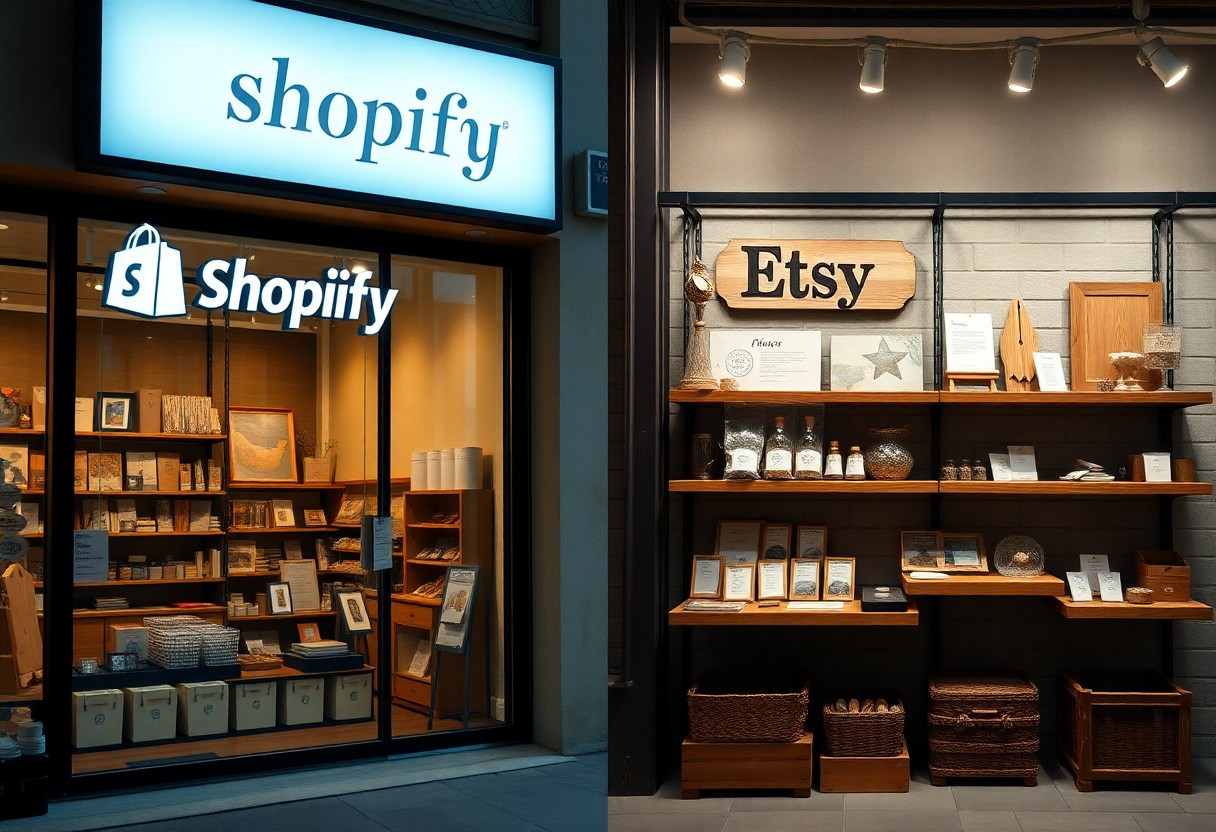
Decoding Seller Fees: How Shopify and Etsy Compare
| Shopify | Etsy |
|---|---|
| Monthly subscription fees ranging from $29 to $299. | Listing fee of $0.20 per item, with a 6.5% transaction fee on sales. |
| 2.9% + 30¢ transaction fee for online credit card payments. | Additional payment processing fees vary by country. |
| Apps and themes can incur extra costs. | Limited customization without additional costs. |
Breakdown of Shopify’s Fee Structure
Shopify’s fee structure consists of a monthly subscription plan that ranges from $29 for the Basic plan to $299 for the Advanced plan, tailored to your business needs. Each plan includes different features and transaction fees—each with a 2.9% + 30¢ fee for online credit card transactions. Additional fees may arise from using specific apps or themes that you incorporate into your store.
Unraveling Etsy’s Fee Model
Etsy charges a straightforward listing fee of $0.20 per item and a 6.5% transaction fee on the sale price, which can add up quickly for higher-priced items. Additionally, processing fees for payment vary depending on the country, typically around 3% + $0.25 in the U.S. This fee structure is relatively simple, making it more predictable for sellers to estimate their costs.
While Etsy’s fees might seem lower upfront, they can accumulate significantly based on the number of listings and sales you achieve. For high-volume sellers, these cumulative fees could lead to greater costs than anticipated. On the other hand, Shopify provides a more comprehensive platform with additional features, which may justify its higher fees for many sellers who seek flexibility and scalability.
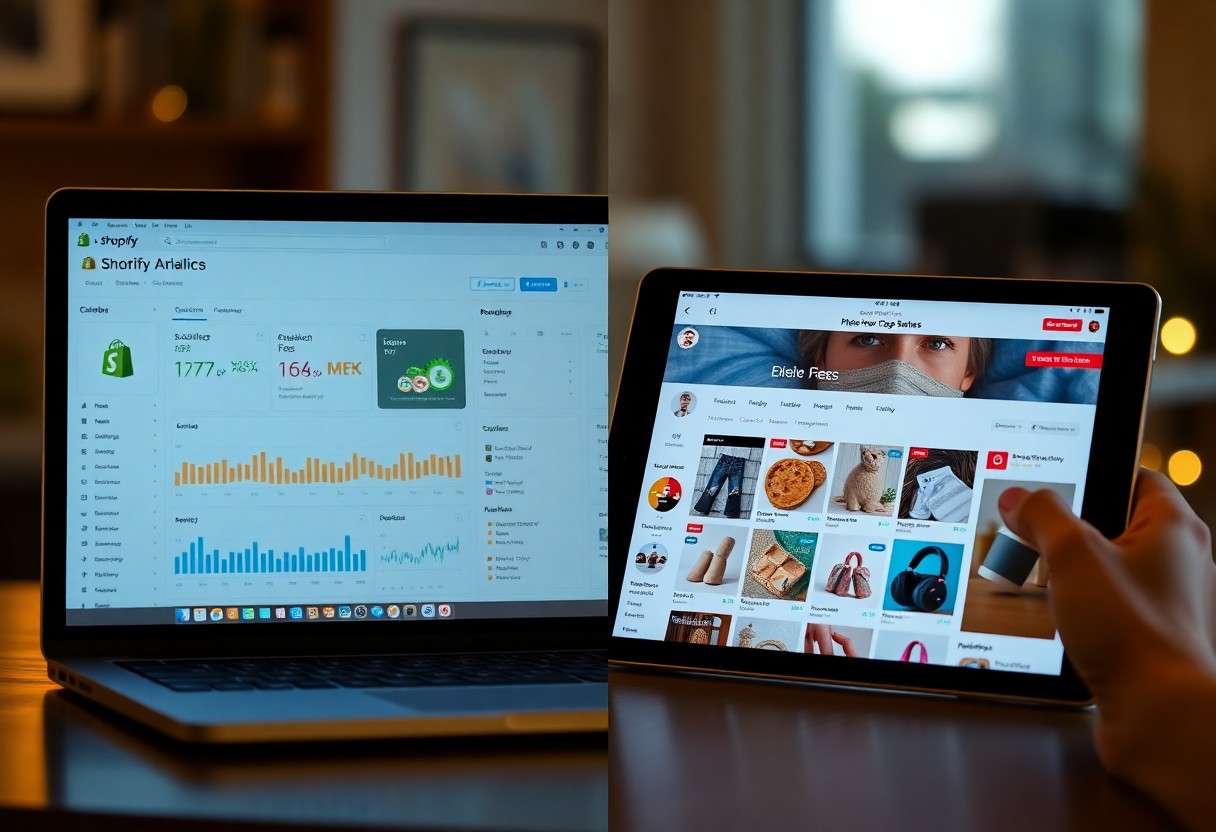
Feature Showdown: What Each Platform Offers
Each platform provides unique features tailored to different types of sellers. Shopify is a robust e-commerce solution offering extensive capabilities that allow for advanced online store management, while Etsy specializes in handmade, vintage, and unique goods. You’ll find that your needs as a seller can shape which platform serves you best, whether that’s a larger selection of customizable tools or a more community-focused marketplace.
Customization and Branding Capabilities
Shopify shines in customization, allowing you to craft a unique brand identity with various themes, layout options, and design elements. You can tweak your store’s aesthetics to reflect your values and style, utilizing CSS and HTML for deeper integrations. In contrast, Etsy provides limited customization, focusing on a consistent look and feel across its marketplace, which may restrict how you communicate your unique brand.
Marketing Tools and Sales Integrations
Both platforms equip you with marketing tools, but they differ significantly. Shopify excels with built-in marketing integrations, including social media advertising, email marketing, and SEO capabilities, facilitating connections with external tools like Mailchimp and Google Ads. Etsy, on the other hand, offers basic promotional options and access to Etsy Ads to boost visibility within its marketplace, but its integrations with third-party marketing services are more limited.
Leveraging the marketing tools on Shopify can drastically enhance your store’s outreach. Features like email campaign builders and detailed analytics allow you to monitor your performance and adapt your strategies accordingly. With customizable marketing campaigns and seamless integration with vast platforms, Shopify helps you target specific demographics effectively. In comparison, Etsy’s marketing tools focus more on internal visibility enhancements, making them suitable for sellers who prefer organic growth within the marketplace. Ultimately, your choice will reflect how you prioritize marketing reach and sales strategy effectiveness.
User Experience and Support: Navigating the Platforms
User experience and support play a pivotal role in determining which platform is right for you. Both Shopify and Etsy have unique interfaces and support systems tailored to their users’ needs. While you may find Shopify more customizable, Etsy’s straightforward setup is beneficial for those seeking a quick entry into online selling.
Ease of Use for Sellers
Shopify offers robust features for sellers, but its extensive customization options can be overwhelming, especially for beginners. On the other hand, Etsy’s user-friendly layout allows you to set up your shop in just a few clicks. If you prefer a simpler, more guided process, Etsy may suit you better, while Shopify caters to those who want greater control over design and functionality.
Customer Support Services: A Comparative Analysis
Both platforms offer customer support, but their approaches differ significantly. Shopify provides 24/7 customer service via live chat, email, and phone, ensuring you have access to help whenever needed. Conversely, Etsy primarily relies on community forums and articles, making immediate assistance less accessible. This difference can influence your experience, particularly if you anticipate needing frequent support.
Customer Support Services: A Comparative Overview
| Platform | Support Features |
|---|---|
| Shopify | 24/7 support through chat, email, and phone, extensive documentation, tutorials, and community forums. |
| Etsy | Support primarily through community forums, expanded help center, and email support with varying response times. |
Shopify’s decision to provide 24/7 customer support can be a game-changer for your business, especially during peak hours or launches. Having access to real-time assistance can help you solve problems quickly and reduce downtime. In contrast, Etsy’s reliance on community-driven support may leave you searching for answers and could lead to delays in resolving issues. Your choice should reflect how much support you expect in your selling journey.
Market Reach and Audience Engagement: Finding Your Customers
Your success hinges on reaching the right audience and engaging them effectively. Both Shopify and Etsy offer paths to visibility, but their approaches can vary significantly based on their unique marketplaces. Understanding your target customers and their shopping habits can significantly influence your sales. Whether you prefer using social media influencers to reach wider audiences or leveraging built-in promotional tools, each platform presents distinct opportunities to connect and convert browsers into buyers.
Etsy’s Niche Marketplace vs. Shopify’s Broad Spectrum
Etsy thrives as a niche marketplace, showcasing handmade goods, vintage items, and craft supplies, which attracts a dedicated audience passionate about artisanal products. This targeted focus can help you gain traction quickly if your offerings align with what Etsy shoppers seek. In contrast, Shopify caters to a broader spectrum of eCommerce businesses, allowing you to appeal to a diverse customer base but requiring more effort in audience targeting and marketing.
Building a Loyal Customer Base on Both Platforms
Fostering customer loyalty is paramount for sustainable success on either platform. Engaging with your customers through personalized marketing, newsletters, and social media interactions can create a community around your brand. Sharing behind-the-scenes content or encouraging user-generated content, like reviews or lifestyle photos, enhances customer connections and invites repeat purchases. Offer incentives such as exclusive discounts or loyalty programs to deepen these relationships and convert occasional buyers into loyal fans.
On both Shopify and Etsy, loyalty depends on how well you nurture your audience. For example, Etsy sellers often achieve this by setting up a strong brand voice through their shop profiles and product descriptions. In contrast, Shopify store owners can utilize email marketing tools to send personalized offers and reminders that resonate with customers. Regularly engaging with your community, offering seamless customer service, and providing consistent quality will further solidify your relationship with existing customers while attracting new ones.
Making the Right Choice: Aligning Your Business Needs
Choosing between Shopify and Etsy requires a careful consideration of your unique business requirements. Evaluating aspects such as your product type, anticipated growth, and specific marketing strategies will help you determine which platform aligns best with your objectives and can support your ambitions effectively.
Assessing Your Product Type and Goals
Your product type significantly influences your platform selection. If you’re selling handcrafted or unique items, Etsy might be ideal for its built-in audience actively seeking these products. Conversely, if you’re focusing on scalable, customizable products or a range of goods, Shopify offers greater flexibility and control over your online store.
Weighing Long-Term Growth Potential
Your long-term growth ambitions should guide your platform choice as well. Shopify presents extensive opportunities for expansion, with its ability to support various sales channels including social media and in-person sales at brick-and-mortar locations. Etsy, while successful for niche markets, may limit scalability through its focused marketplace design.
Shopify’s robust features cater to businesses eager to diversify and grow. For instance, you can seamlessly integrate tools for email marketing, inventory management, and analytics to optimize sales strategies. Businesses aiming for rapid scalability or multiple revenue streams may find Shopify’s framework particularly beneficial. In contrast, Etsy may serve you well if your goal is to maintain a smaller, handcrafted brand without the need for extensive growth, allowing you to thrive within its specialized community while managing lower fees and direct customer engagement.
Conclusion
Upon reflecting on Shopify versus Etsy for seller fees, features, and the best platform choice, you’ll want to consider your specific business needs and goals. Shopify offers greater customization and control, making it ideal for larger brands, while Etsy is perfect for artisans seeking a built-in audience. Analyzing your budget, product type, and desired level of autonomy will guide you toward the platform that aligns best with your vision for growth and success in the e-commerce landscape.
FAQ
Q: What are the primary seller fees associated with Shopify and Etsy?
A: Shopify charges a monthly subscription fee that ranges from $29 to $299, depending on the plan you choose. Additionally, there are transaction fees which only apply if you use a payment gateway other than Shopify Payments. Etsy, on the other hand, has a listing fee of $0.20 per item and takes a 5% transaction fee from each sale. There are additional payment processing fees that can vary by country. Sellers should carefully evaluate these costs when choosing which platform to use.
Q: What features do Shopify and Etsy offer to sellers?
A: Shopify provides a comprehensive suite of features, including customizable online stores, a range of themes, integrated payment processing, and advanced analytics. It allows sellers to have complete control over their branding and marketing strategies. In contrast, Etsy focuses on handmade and vintage items and offers features such as listing management, SEO tools, and integrated advertising options to help sellers reach their target audience. The choice between the two platforms will depend on the individual seller’s needs and business model.
Q: Which platform is better for new sellers: Shopify or Etsy?
A: Generally, Etsy is considered more accessible for new sellers due to its established marketplace and lower initial costs. It allows newcomers to tap into an existing customer base searching specifically for unique items without the need for creating a full-fledged online store. Shopify, while offering more features and customization options, might require a higher initial investment and a more extensive marketing effort to drive traffic to their store. New sellers should evaluate their product types and marketing skills before making a decision.
Q: How do marketing and SEO capabilities differ between Shopify and Etsy?
A: Shopify allows for more extensive SEO customization, enabling sellers to optimize their entire store for search engines. Sellers can create unique meta descriptions, titles, and more, which can improve their visibility online. On the other hand, Etsy handles a lot of SEO management for sellers, which simplifies the process, but gives limited flexibility. Sellers focusing on marketing might find Shopify’s advanced capabilities beneficial as it allows for additional marketing integrations and tools.
Q: Can sellers use both Shopify and Etsy simultaneously?
A: Yes, many sellers choose to use both platforms to maximize their outreach and sales opportunities. By maintaining an Etsy shop, sellers can benefit from Etsy’s built-in audience while also managing a Shopify store for greater brand customization and additional sales channels. However, it requires managing inventory and orders efficiently across both platforms, which may involve additional work. It’s advisable for sellers to develop a coordinated approach to marketing and inventory management when using both platforms.
Author

Paint by Sticker Kids (Official): Halloween: Create 10 Pictures One Sticker at a Time! Includes Glow-in-the-Dark Stickers
$5.21 (as of September 19, 2026 07:39 GMT +00:00 – More infoProduct prices and availability are accurate as of the date/time indicated and are subject to change. Any price and availability information displayed on [relevant Amazon Site(s), as applicable] at the time of purchase will apply to the purchase of this product.)
The Counterrevolution: The Fall and Rise of Donald Trump and the MAGA Movement
$29.82 (as of September 19, 2026 07:39 GMT +00:00 – More infoProduct prices and availability are accurate as of the date/time indicated and are subject to change. Any price and availability information displayed on [relevant Amazon Site(s), as applicable] at the time of purchase will apply to the purchase of this product.)
You’re My Little Baby Boo (Board Book for Babies and Toddlers 0-2 years old)
$5.27 (as of September 19, 2026 07:39 GMT +00:00 – More infoProduct prices and availability are accurate as of the date/time indicated and are subject to change. Any price and availability information displayed on [relevant Amazon Site(s), as applicable] at the time of purchase will apply to the purchase of this product.)
Theo of Golden: A Novel
$13.98 (as of September 19, 2026 07:39 GMT +00:00 – More infoProduct prices and availability are accurate as of the date/time indicated and are subject to change. Any price and availability information displayed on [relevant Amazon Site(s), as applicable] at the time of purchase will apply to the purchase of this product.)
World of Eric Carle, Around the Farm 30-Button Animal Sound Book – Great for First Words – PI Kids
$3.46 (as of September 19, 2026 07:39 GMT +00:00 – More infoProduct prices and availability are accurate as of the date/time indicated and are subject to change. Any price and availability information displayed on [relevant Amazon Site(s), as applicable] at the time of purchase will apply to the purchase of this product.)
World of Eric Carle, Around the Farm 30-Button Animal Sound Book – Great for First Words – PI Kids
$3.46 (as of September 19, 2026 07:39 GMT +00:00 – More infoProduct prices and availability are accurate as of the date/time indicated and are subject to change. Any price and availability information displayed on [relevant Amazon Site(s), as applicable] at the time of purchase will apply to the purchase of this product.)
Theo of Golden: A Novel
$13.98 (as of September 19, 2026 07:39 GMT +00:00 – More infoProduct prices and availability are accurate as of the date/time indicated and are subject to change. Any price and availability information displayed on [relevant Amazon Site(s), as applicable] at the time of purchase will apply to the purchase of this product.)
Paint by Sticker Kids (Official): Halloween: Create 10 Pictures One Sticker at a Time! Includes Glow-in-the-Dark Stickers
$5.21 (as of September 19, 2026 07:39 GMT +00:00 – More infoProduct prices and availability are accurate as of the date/time indicated and are subject to change. Any price and availability information displayed on [relevant Amazon Site(s), as applicable] at the time of purchase will apply to the purchase of this product.)
Swan Song: Diana, my sister
$24.50 (as of September 19, 2026 07:39 GMT +00:00 – More infoProduct prices and availability are accurate as of the date/time indicated and are subject to change. Any price and availability information displayed on [relevant Amazon Site(s), as applicable] at the time of purchase will apply to the purchase of this product.)




Leave a Reply