

One Man In: The Explosive Firsthand Account of the Lone Special-Ops Commando Who Fought Off a Major Terrorist Attack in Kenya
$30.00 (as of September 18, 2026 07:36 GMT +00:00 – More infoProduct prices and availability are accurate as of the date/time indicated and are subject to change. Any price and availability information displayed on [relevant Amazon Site(s), as applicable] at the time of purchase will apply to the purchase of this product.)
The Killer Isn’t Alice: The 46,600 Suspect Murder Mystery Puzzle
$20.00 (as of September 18, 2026 07:36 GMT +00:00 – More infoProduct prices and availability are accurate as of the date/time indicated and are subject to change. Any price and availability information displayed on [relevant Amazon Site(s), as applicable] at the time of purchase will apply to the purchase of this product.)
Lost in Space: 5,000 Facts for Navigating the Universe
$35.00 (as of September 18, 2026 07:36 GMT +00:00 – More infoProduct prices and availability are accurate as of the date/time indicated and are subject to change. Any price and availability information displayed on [relevant Amazon Site(s), as applicable] at the time of purchase will apply to the purchase of this product.)
The Killer Isn’t Alice: The Bestselling Murder Mystery Puzzle Book – 46,600 Suspects, 1 Killer. Can You Solve the Crime?
$15.18 (as of September 18, 2026 07:36 GMT +00:00 – More infoProduct prices and availability are accurate as of the date/time indicated and are subject to change. Any price and availability information displayed on [relevant Amazon Site(s), as applicable] at the time of purchase will apply to the purchase of this product.)
The Rainbow Fish
$5.20 (as of September 18, 2026 07:36 GMT +00:00 – More infoProduct prices and availability are accurate as of the date/time indicated and are subject to change. Any price and availability information displayed on [relevant Amazon Site(s), as applicable] at the time of purchase will apply to the purchase of this product.)There’s a complexity to Social Media Manager roles that goes beyond simply posting updates on Facebook and Instagram. From creating engaging content to analyzing metrics and staying on top of trends, managing accounts for businesses and influencers requires a diverse skill set and a deep understanding of the ever-evolving digital landscape. In this blog post, we’ll explore the crucial roles and responsibilities of a Social Media Manager and how they play a crucial role in shaping an organization’s online presence.
Key Takeaways:
- Content Strategy: Social Media Managers are responsible for creating and implementing a content strategy tailored to the target audience and business goals.
- Community Engagement: Engaging with followers, responding to comments, and fostering a sense of community around the brand are vital aspects of a Social Media Manager’s role.
- Analytics and Reporting: Monitoring key performance indicators, tracking engagement metrics, and providing regular reports to measure the success of social media campaigns are important tasks for a Social Media Manager.
- Campaign Management: Planning and executing social media campaigns, including influencer collaborations, contests, and promotions, to increase brand visibility and engagement.
- Trend Awareness: Staying current with social media trends, algorithm changes, and new platform features is crucial for a Social Media Manager to adapt strategies and optimize performance.
The Role of a Social Media Manager
Overview of Responsibilities
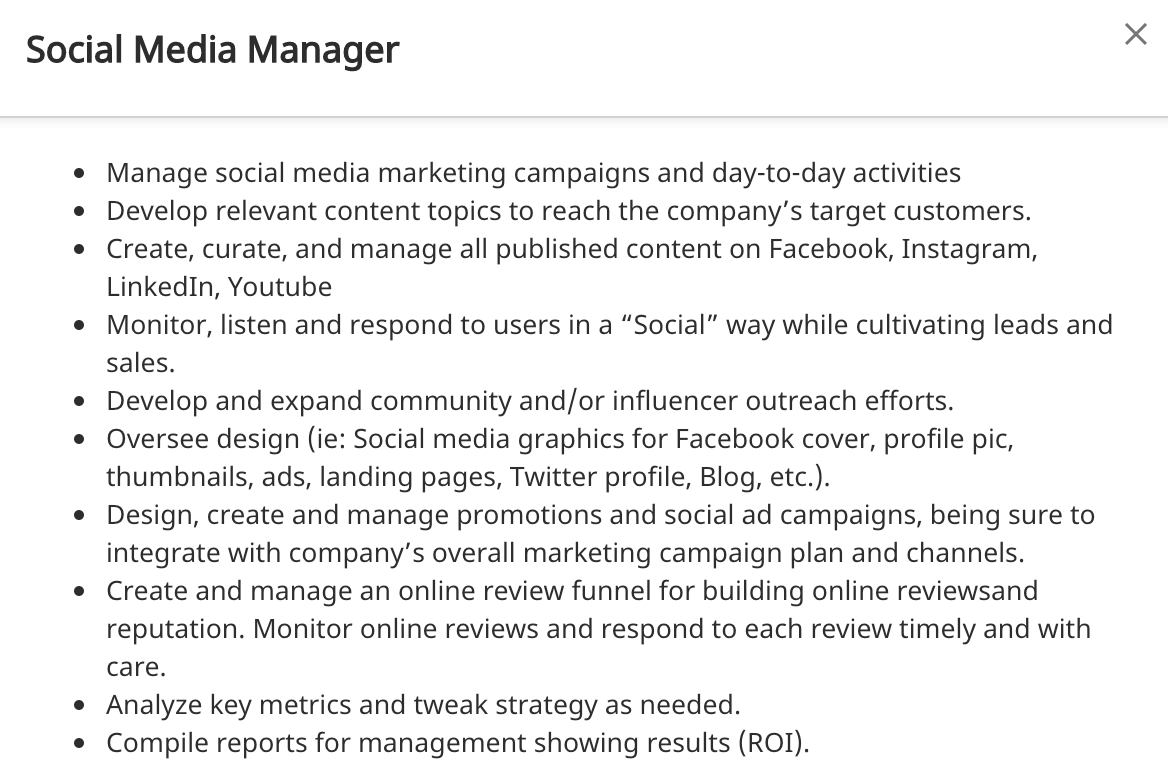
A Social Media Manager plays a crucial role in developing and executing social media strategies for businesses, influencers, or brands. They are responsible for creating engaging content, managing online communities, monitoring social media analytics, and driving growth and engagement across various platforms.
Key Skills and Qualifications
Any successful Social Media Manager possesses a combination of creativity, analytical skills, and a deep understanding of social media trends and platforms. They should be proficient in content creation, social media management tools, and have excellent communication skills to interact with followers and clients effectively.
Additionally, having a solid grasp of data analytics is necessary for measuring the success of social media campaigns and making data-driven decisions to optimize performance. A strong foundation in digital marketing principles and a keen eye for visual design can also set a Social Media Manager up for success in this role.
Responsibilities
As a Social Media Manager, you will be tasked with creating and curating content for various social media platforms, developing and implementing social media strategies, monitoring and analyzing social media performance metrics, and staying up-to-date with the latest social media trends and best practices. It is necessary to engage with followers, respond to comments and messages, and foster a positive online community to drive brand loyalty and awareness.
Social Media Manager Roles – Managing Accounts for Businesses, Influencers
Creating Business Profiles on Various Platforms
Any successful social media strategy begins with creating business profiles on various platforms. As a Social Media Manager, it’s vital to understand the audience demographics and behaviors on each platform to tailor content effectively. Whether it’s setting up a Facebook Business Page, an Instagram Business Account, or a LinkedIn Company Page, each platform requires attention to detail to optimize brand visibility and engagement.
Setting Up Content Calendars and Scheduling Tools
Profiles need to manage multiple accounts and ensure a consistent posting schedule. Setting up content calendars and using scheduling tools like Hootsuite or Buffer can help streamline the process. By planning ahead and scheduling posts in advance, Social Media Managers can maintain a regular posting frequency, engage with the audience at optimal times, and analyze content performance for future improvements.
Creating a well-organized content calendar is important for maintaining a cohesive brand voice across platforms. Utilizing scheduling tools not only saves time but also allows for strategic planning and coordination of diverse content types, from promotional posts to engaging visuals and informative articles.

Configuring Analytics and Tracking Performance
Performance tracking is a crucial aspect of social media management. Configuring analytics tools such as Facebook Insights, Instagram Insights, or third-party platforms like Google Analytics provides valuable insights into audience behavior, content performance, and overall campaign effectiveness. By monitoring key metrics such as reach, engagement, click-through rates, and conversions, Social Media Managers can adapt strategies to meet specific goals and maximize ROI.
As a Social Media Manager, understanding how to interpret analytics data and using it to make informed decisions is important for optimizing social media strategies. By tracking performance metrics over time and identifying trends, managers can refine content strategies, target audience segments more effectively, and demonstrate the impact of social media efforts on overall business goals.

Content Creation and Curation
Developing a Content Strategy
Content is the heart of any successful social media presence. As a Social Media Manager, your role involves developing a content strategy that aligns with the brand’s goals and resonates with its target audience. This strategy should outline the types of content to be created, the frequency of posts, and the platforms to focus on.
Creating Engaging Visual Content
Strategy is key when it comes to creating visual content that captures the audience’s attention. From eye-catching graphics to compelling videos, the visuals you curate should be in line with the brand’s voice and message. Utilizing tools like Canva, Adobe Suite, or even hiring a graphic designer can help elevate your visual content game.
This visual content is crucial in today’s digital age where scrolling through social media platforms has become a daily routine for many. Make sure to keep up with trends and incorporate storytelling elements to make your visuals stand out in a sea of content.
Curating User-Generated Content
The authenticity of user-generated content can significantly boost a brand’s credibility and engagement levels. As a Social Media Manager, part of your role includes curating user-generated content that showcases real experiences with the brand. This can involve reposting customer reviews, photos, or testimonials that highlight positive interactions.
For instance, running a contest or campaign that encourages users to create content related to the brand not only generates buzz but also creates a sense of community around the product or service. By strategically curating user-generated content, you can strengthen the brand-consumer relationship and drive more organic engagement.
Engaging with Audiences
Once again, one of the primary roles of a social media manager is to engage with the audience. This involves interacting with followers, responding to comments and messages, and initiating conversations that build brand awareness and grow the online community.
Responding to Comments and Messages
Any successful social media manager understands the importance of timely and personalized responses to comments and messages. Engaging with the audience in this way not only shows that the brand values its followers but also helps in building a loyal customer base. By addressing queries, concerns, and feedback promptly, social media managers can enhance the overall customer experience and foster a positive online reputation.
Building Brand Awareness through Conversations
Building brand awareness through conversations involves more than just responding to comments. It includes actively participating in discussions, posing thought-provoking questions, and sharing valuable insights related to the industry. By engaging with the audience in meaningful conversations, social media managers can position the brand as an authority in the field and establish a strong emotional connection with followers.
For instance, a social media manager for a fitness brand could engage in conversations about different workout routines, nutrition tips, and motivational quotes to inspire and educate followers. By adding value to the discussions, the brand can attract more followers and create a sense of community around its products and services.
Identifying and Leveraging Influencers
Through strategic engagement, social media managers can identify and leverage influencers who can help amplify the brand’s message and reach a wider audience. By building relationships with key influencers in the industry, social media managers can collaborate on campaigns, partnerships, and sponsored content that resonate with their followers and align with the brand’s values.
Engaging with influencers not only expands the brand’s reach but also adds credibility and authenticity to its online presence. By partnering with influencers who have a strong following and influence in the target market, social media managers can effectively promote the brand and drive engagement, ultimately leading to increased brand awareness and customer loyalty.

Measuring Success and Performance
Now, let’s research into how Social Media Managers measure success and performance for the accounts they manage.
Tracking Key Performance Indicators (KPIs)
Tracking key performance indicators (KPIs) is imperative for measuring the success of social media efforts. KPIs may include metrics like reach, engagement, conversions, click-through rates, and follower growth. By consistently monitoring these KPIs, Social Media Managers can assess the effectiveness of their strategies and make data-driven decisions to optimize performance.
Analyzing Engagement Metrics and Insights
Insights from engagement metrics provide valuable information about audience behavior and preferences. Social Media Managers analyze metrics such as likes, comments, shares, and clicks to understand what content resonates with followers. These insights help in refining content strategies to drive higher engagement and build a stronger connection with the target audience.
Measuring and analyzing engagement metrics and insights are crucial for a Social Media Manager to understand the impact of their efforts on the audience and make informed decisions for future content strategies.
Using Data to Inform Future Content Strategies
KPIs play a significant role in shaping future content strategies. Social Media Managers use data insights to identify trends, understand audience preferences, and adapt content to meet the evolving needs of followers. By leveraging data effectively, managers can create more tailored and engaging content that drives meaningful interactions and achieves business goals.
Understanding how to use data to inform content strategies is a key skill for Social Media Managers to maximize the impact of social media campaigns and drive tangible results for businesses and influencers.
Crisis Management and Reputation Maintenance
Handling Online Criticism and Complaints
Not every social media interaction will be positive, and it’s crucial for social media managers to handle online criticism and complaints effectively. Acknowledge the complaint publicly, show empathy, and address the issue professionally. Encouraging further conversation through direct messages can help resolve the issue without escalating it further in the public eye.
Reputation: Developing a Crisis Communication Plan
Reputation maintenance involves developing a crisis communication plan to mitigate any potential damage to the brand. This plan should include detailed steps on how to respond to different types of crises, designate key spokespersons, and have pre-approved messaging ready to be deployed swiftly in times of need.
With the rise of social media, a crisis can escalate rapidly, making a well-thought-out crisis communication plan a necessity for businesses and influencers alike. Being prepared for various scenarios can make a significant difference in how the public perceives the handling of a crisis.
Maintaining Transparency and Authenticity
For social media managers, maintaining transparency and authenticity in all communications is vital for building trust with the audience. Followers appreciate honesty and genuine interactions, even when addressing negative feedback or mistakes. Transparency can help mitigate the impact of a crisis and showcase the brand’s commitment to addressing issues openly.
Complaints should be seen as opportunities to show the human side of the brand and demonstrate a willingness to listen and improve. By responding promptly, taking responsibility, and providing solutions, social media managers can turn negative experiences into positive outcomes, demonstrating the brand’s dedication to customer satisfaction.
Conclusion
Ultimately, as a Social Media Manager, the role of managing accounts for businesses and influencers involves a delicate balance of creativity, strategy, and communication. By understanding the target audience, creating engaging content, and analyzing data to optimize performance, social media managers can help businesses and influencers grow their online presence and achieve their goals. It is a dynamic role that requires adaptability, quick thinking, and a deep understanding of social media platforms and trends.
To sum up, the role of a Social Media Manager is crucial in today’s digital age, where online presence can make or break a brand or individual. By effectively managing accounts for businesses and influencers, Social Media Managers play a vital role in shaping online narratives, building communities, and driving engagement. With the right skills, dedication, and passion for the digital world, Social Media Managers can truly make a difference in the success of their clients and partners.
FAQ
Q: What are the primary responsibilities of a Social Media Manager?
A: A Social Media Manager is responsible for creating, curating, and managing content for social media accounts, engaging with followers, analyzing performance metrics, and developing strategies to increase brand awareness and online presence.
Q: How important is it for businesses and influencers to have a Social Media Manager?
A: In today’s digital age, having a Social Media Manager is crucial for businesses and influencers to effectively reach their target audience, build brand credibility, and maximize engagement on social media platforms.
Q: What skills are important for a successful Social Media Manager?
A: A successful Social Media Manager should possess excellent communication skills, creativity, strategic thinking, ability to analyze data, knowledge of social media trends, and proficiency in using social media management tools.
Q: How does a Social Media Manager create engaging content for businesses and influencers?
A: A Social Media Manager creates engaging content by understanding the target audience, staying updated on industry trends, using visuals effectively, crafting compelling captions, and leveraging various content formats such as videos, images, and infographics.
Q: How can a Social Media Manager measure the success of social media campaigns?
A: A Social Media Manager can measure the success of social media campaigns by tracking key metrics such as reach, engagement, click-through rate, conversion rate, and return on investment (ROI) using analytics tools provided by social media platforms.
Author


Verity
$13.53 (as of September 18, 2026 07:36 GMT +00:00 – More infoProduct prices and availability are accurate as of the date/time indicated and are subject to change. Any price and availability information displayed on [relevant Amazon Site(s), as applicable] at the time of purchase will apply to the purchase of this product.)
Paint by Sticker Kids (Official): Halloween: Create 10 Pictures One Sticker at a Time! Includes Glow-in-the-Dark Stickers
$5.21 (as of September 18, 2026 07:36 GMT +00:00 – More infoProduct prices and availability are accurate as of the date/time indicated and are subject to change. Any price and availability information displayed on [relevant Amazon Site(s), as applicable] at the time of purchase will apply to the purchase of this product.)
The Altar of Pergamon: The Mystery of the Dark Angel and the Future of the World
$21.48 (as of September 18, 2026 07:36 GMT +00:00 – More infoProduct prices and availability are accurate as of the date/time indicated and are subject to change. Any price and availability information displayed on [relevant Amazon Site(s), as applicable] at the time of purchase will apply to the purchase of this product.)
The Killer Isn’t Alice: The 46,600 Suspect Murder Mystery Puzzle
$20.00 (as of September 18, 2026 07:36 GMT +00:00 – More infoProduct prices and availability are accurate as of the date/time indicated and are subject to change. Any price and availability information displayed on [relevant Amazon Site(s), as applicable] at the time of purchase will apply to the purchase of this product.)
Swan Song: Diana, my sister
$24.50 (as of September 18, 2026 07:36 GMT +00:00 – More infoProduct prices and availability are accurate as of the date/time indicated and are subject to change. Any price and availability information displayed on [relevant Amazon Site(s), as applicable] at the time of purchase will apply to the purchase of this product.)
Verity
$13.53 (as of September 18, 2026 07:36 GMT +00:00 – More infoProduct prices and availability are accurate as of the date/time indicated and are subject to change. Any price and availability information displayed on [relevant Amazon Site(s), as applicable] at the time of purchase will apply to the purchase of this product.)
Lost in Space: 5,000 Facts for Navigating the Universe
$35.00 (as of September 18, 2026 07:36 GMT +00:00 – More infoProduct prices and availability are accurate as of the date/time indicated and are subject to change. Any price and availability information displayed on [relevant Amazon Site(s), as applicable] at the time of purchase will apply to the purchase of this product.)
Yesteryear: A GMA Book Club Pick: A Novel
$14.99 (as of September 18, 2026 07:36 GMT +00:00 – More infoProduct prices and availability are accurate as of the date/time indicated and are subject to change. Any price and availability information displayed on [relevant Amazon Site(s), as applicable] at the time of purchase will apply to the purchase of this product.)
Theo of Golden: A Novel
$13.98 (as of September 18, 2026 07:36 GMT +00:00 – More infoProduct prices and availability are accurate as of the date/time indicated and are subject to change. Any price and availability information displayed on [relevant Amazon Site(s), as applicable] at the time of purchase will apply to the purchase of this product.)




Leave a Reply