
You’re My Little Baby Boo (Board Book for Babies and Toddlers 0-2 years old)
$5.27 (as of September 19, 2026 07:39 GMT +00:00 – More infoProduct prices and availability are accurate as of the date/time indicated and are subject to change. Any price and availability information displayed on [relevant Amazon Site(s), as applicable] at the time of purchase will apply to the purchase of this product.)
The Counterrevolution: The Fall and Rise of Donald Trump and the MAGA Movement
$29.82 (as of September 19, 2026 07:39 GMT +00:00 – More infoProduct prices and availability are accurate as of the date/time indicated and are subject to change. Any price and availability information displayed on [relevant Amazon Site(s), as applicable] at the time of purchase will apply to the purchase of this product.)
Theo of Golden: A Novel
$12.99 (as of September 19, 2026 07:39 GMT +00:00 – More infoProduct prices and availability are accurate as of the date/time indicated and are subject to change. Any price and availability information displayed on [relevant Amazon Site(s), as applicable] at the time of purchase will apply to the purchase of this product.)
A Court of Splintered Harmony: The Valkyrie Cycle, Movement I (A Court of Thorns and Roses, 6)
$22.40 (as of September 19, 2026 07:39 GMT +00:00 – More infoProduct prices and availability are accurate as of the date/time indicated and are subject to change. Any price and availability information displayed on [relevant Amazon Site(s), as applicable] at the time of purchase will apply to the purchase of this product.)
Scholastic Flash Cards: Sight Words
$3.07 (as of September 19, 2026 07:39 GMT +00:00 – More infoProduct prices and availability are accurate as of the date/time indicated and are subject to change. Any price and availability information displayed on [relevant Amazon Site(s), as applicable] at the time of purchase will apply to the purchase of this product.)Navigating the Design Landscape: Pro Strategies for Graphic Design Freelancers to Secure High-Paying Opportunities
Imagine turning your creative passion into a thriving career, setting your own hours and choosing the projects that speak to your artistic soul. Freelancing as a graphic designer isn’t just a dream; it’s a viable reality for countless creative professionals. In a world where imagery can make or break a brand, the demand for skilled graphic designers has never been higher.
But how do you pivot from doodling in sketchbooks to securing high-paying gigs? This guide will lead you through the essential steps of building a successful freelance career in graphic design. From harnessing your creative prowess to constructing a portfolio that captivates potential clients, you will gain insight into making your mark in this competitive field.
Embark on a journey to not just survive, but thrive as a freelance graphic designer with “The Ultimate Guide to Freelancing as a Graphic Designer: Top Tips for Landing Lucrative Gigs.” Discover how to market yourself, master essential tools, and manage your burgeoning business to ensure a steady stream of opportunities and income.
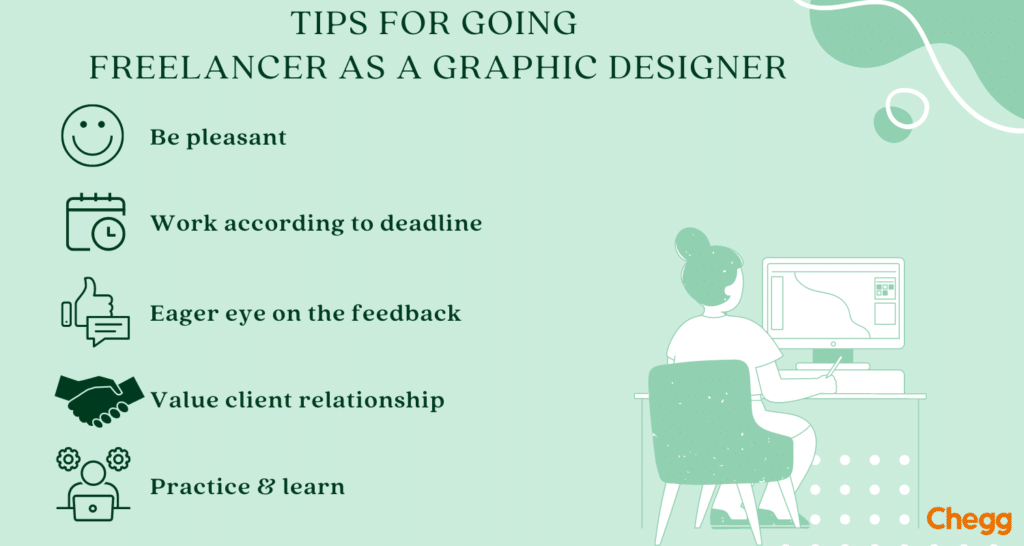
What is Freelancing in Graphic Design?
Freelancing in graphic design is an increasingly popular way for creatives to offer their artistic expertise on a flexible, project-based basis. Instead of working full-time at a design firm or in-house for a corporation, freelance graphic designers work independently. They often handle a diverse array of projects, from crafting unique brand identities, designing intuitive websites, to producing eye-catching social media graphics.
These independent designers find work by showcasing their portfolios on online platforms like Fiverr, Upwork, and Freelancer.com, or by networking locally. Establishing a strong presence can help them secure a steady stream of potential clients. Freelance graphic designers have the freedom to set their hourly rates, leading to an average charge of about $42 per hour in the U.S., although this rate can fluctuate based on the complexity of the task and the designer’s experience.
To succeed in freelance graphic design, an individual must integrate passion with professionalism, consistently hone their creative and technical skills, and focus on networking. It’s a field where tenacity and effort go hand in hand with artistic talent, and where building a robust professional network can be vital for career growth.
Ultimate Guide to Freelancing as a Graphic Designer
| Topic | Details |
|---|---|
| Services to Offer | – Designing Mood Boards – Designing Logos – Designing Branding Boards – Designing Keynotes – Designing Ebooks – Designing Mockups – Designing Facebook Ads – Designing Social Media Graphics1 |
| Starting Your Business | – Define your business – Consult with experts – Figure out your finances2 |
| Freelance Graphic Designer Roles | – Print designer – Visual designer – Web designer – Logo designer – Brand identity designer5 |
| Considerations Before Starting | – Define your goals – Build a body of work strategically targeting ideal clients – Create a client-facing graphic design portfolio3 |
| Financial Aspects | – Establish personal budget and emergency fund34 |
| Pros and Cons of Freelancing | – Advantages: Flexibility, creativity, being your own boss – Disadvantages: Inconsistent work, lack of employee benefits, ultimate responsibility5 |
This table summarizes essential aspects of freelancing as a graphic designer, covering services to offer, starting a business, roles in the field, considerations before starting, financial aspects, and the pros and cons of freelancing.
Building Your Portfolio and Brand
In the vibrant world of graphic design, carving out a personal brand and a distinctive portfolio is akin to creating a passport to success. It’s the visual dialogue between the designer and their potential clients, underscoring the designer’s evolving journey, innovative ideas, and an unrelenting drive for perfection.
A well-crafted portfolio is the graphic designer’s ultimate showcase, the stage upon which they exhibit their prowess. Platforms like personal websites, Behance, and Dribbble offer a canvas for creating striking, professional portfolios that can capture the eye of a scouting client. Even when client work is sparse, personal projects serve as a testament to a designer’s skills, filling in gaps with evidence of passion and initiative.
Freelancers can wield the power of online marketplaces like Fiverr and Upwork or tap into the local business scene to lift their presence across a spectrum of needs—from electrifying brand identities to compelling websites and social media narratives. Embracing the richness of graphic design’s diverse market, a savvy designer can unlock significant earning potential, with the U.S. average hourly rate sweet spot hovering around the $42 mark.

Showcasing a Wide Range of Projects
To mesmerize potential clients, graphic designers must present a portfolio that speaks volumes about their aesthetic finesse, meticulous precision, and a discerning eye that transcends mere layouts and typography. It should be a portal offering a panoramic view of their capabilities—encompassing a broad scope of work from print to digital, commercial to artistic.
The beholder should see projects where the designer was the maestro, orchestrating every segment from conception to completion. The portfolio should also reflect contributions to larger ensembles, showcasing abilities to lead and collaborate. From guiding juniors to partnering with management, it should narrate a story of growth, versatility, and the readiness to take on design’s multifaceted challenges.
Utilizing Social Media Platforms to Showcase Your Work
In a realm dominated by visuals, social media is the proverbial megaphone for a graphic designer’s voice. Engaging with followers, posting regularly, and participating in the social whirlpool is key to amplifying a designer’s presence. Platforms such as Instagram, Pinterest, Facebook, and LinkedIn act as beacons, drawing clients towards the designer’s portfolio.
Crafting high-quality images tailored to each platform’s audience can make for a memorable first impression. With social media’s hunger for specialized niches, services like real estate and product photo editing can help graphic designers carve out and dominate their piece of the digital landscape, turning platforms into powerful project attractors.
Creating Compelling Content for Your Online Platforms
When spinning tales of color, shape, and form, mastery of a digital artist’s toolkit is imperative. Adobe’s Creative Suite and Figma stand as the cornerstone for creating content that captivates and converts. But it’s the designer’s ability to produce print-ready artwork and digital designs that shine on-screen, and a meticulous bend towards typographic excellence that sets apart their craft.
Compelling content is the designer’s bridge to a global audience. It should be alive, pulsating with the potential to morph across varying platforms and reach diverse spectators. Enlisting the aid of a creative virtual assistant can amplify this quest, ensuring that social media pulsates with arresting graphics and copy that resonates with the brand’s ethos.
Applying animation skills and maintaining a modern edge to online content could be the difference between blending in and standing out. It’s about shaping user experiences that entertain, inform, and remain memorable long after the viewer scrolls past.
Finding Clients and Marketing Yourself
In the ever-competitive landscape of graphic design, finding clients and effectively marketing yourself can be the difference between a sporadic gig and steady success. The journey begins with understanding where to offer your services and how to position them. Online marketplaces like Fiverr and Upwork have become digital havens for freelance graphic designers seeking to connect with clients from all corners of the globe. But don’t overlook the power of local businesses and the trusty strength of word-of-mouth; many companies are in constant pursuit of fresh and creative graphics for their brands, and a personal recommendation can go a long way.
Graphic design is integral to businesses aiming to establish a compelling presence. From social media graphics that engage to cohesive brand identities and responsive websites, the demand for visually-striking content is ever-present, making graphic design a lucrative pursuit. By engaging in online communities and Facebook groups relevant to your niche, your helpful insights and friendly persona can make you a magnet for potential clients who value community members’ contributions.
For the entrepreneurial designer, platforms like Creative Market present an opportunity to not only sell your products but to also have them promoted. With a portfolio review as part of the registration process, these platforms help ensure that quality and skill are represented, bridging the gap between your creations and interested buyers.
Reflecting on earnings, the freelance graphic design market promises attractive financial returns; according to ZipRecruiter, the average hourly rate in the U.S. circles around $42. This figure underscores the potential of graphic design freelancing, encouraging designers to invest their creative energies into crafting a profitable career from the comfort of their desks.

Leveraging Your Network for Potential Clients
Networking isn’t just about exchanging business cards; it’s about cultivating relationships and sharing experiences that can lead to new opportunities and collaborative growth. For graphic designers, the network you foster can be your golden ticket to uncovering potential clients. By connecting with peers in various online groups and forums, you delve into a pool of collective knowledge and prospective business engagements.
Starting with your existing connections can serve as the foundation for building a client base. Conversations about your services with acquaintances and colleagues plant seeds that may sprout into projects through referrals. The digital platforms at your disposal, from LinkedIn to design-focused Slack channels, offer venues for you to broadcast your services and entice potential clients.
It’s essential to be open to a wide range of projects. By stepping outside your comfort zone and collaborating on diverse assignments, you expand your skill set and increase the possibility of future referrals. Each completed project enhances your portfolio, offering tangible evidence of your capacity to meet and exceed creative challenges, and furthers your reach within the network of potential clients.
Utilizing Affiliate Links and Marketing Strategies
Affiliate marketing can be a designer’s stealthy sidekick, providing an income stream that requires no involvement in the logistics of commerce, like product creation or customer service. As a graphic designer, you can weave a narrative around the products you recommend, influencing your audience’s purchasing decisions with your creative flair and expertise.
The key to a successful affiliate marketing endeavor is to align with products and services that resonate with both your interests and those of your target audience. When your recommendations are genuine, they carry more weight, resembling advice from a friend rather than an aggressive sales pitch.
Developing a sophisticated affiliate marketing strategy demands a careful selection of partnerships; it’s about quality over quantity. The products you endorse should reflect your brand’s integrity and passion. When done right, affiliate marketing not only supplements income but also strengthens your reputation as a trusted source of information and advice in your niche.
Strategies for Utilizing Social Media for Client Acquisition
For graphic designers, social media is more than just a platform to exhibit your latest work; it’s a dynamic tool for client acquisition and retention. Crafted carefully, organic and paid content can capture the attention of potential clients and maintain engagement with existing ones. As the online marketplace continues to grow, maintaining a strong social media presence with a strategic content calendar becomes pivotal in showcasing your design expertise and services.
Platforms such as Pinterest are instrumental in driving traffic and spreading your work, while regular posts, including reels on Instagram or updates on LinkedIn, keep your audience hooked and help in painterly branding your skills. Additionally, staying active with daily content management fosters a relationship with your followers, many of whom could be current or future clients.
Remember, authenticity is at the heart of social media success. Frequent, genuine interactions with your audience can turn followers into clients. Consistent posting, tailored content for each platform, and an engaging online persona will underpin your efforts to turn social media into one of your most lucrative client acquisition tools.
Utilizing Tools and Software
Graphic designers have an arsenal of software tools and online platforms at their fingertips to streamline their workflow and showcase their talents. Creative Market, a prominent player in the digital marketplace, offers designers a unique space to sell their creations while ensuring quality through a mandatory portfolio review during registration. Freelancers also benefit from virtual hubs such as Fiverr and Upwork, where they can connect with a diverse array of clients, including burgeoning startups and nonprofits, all seeking to instill their branding with that distinct creative spark.
The landscape of graphic design demands not just creativity but also efficiency and collaboration. Tools like Figjam, Pitch, and Notion have become integral for designers to streamline their processes. With Figjam, brainstorming and feedback become interactive experiences. Pitch empowers designers to craft impactful client presentations, and Notion helps manage the intricacies of projects, ensuring everything, from timelines to meeting notes, is impeccably organized. These tools not only facilitate a seamless collaborative environment but also keep designs and projects aligned with the client’s vision.
Given the high demand for design professionals, businesses of all sizes constantly seek out gifted graphic designers to elevate their brand identities with website designs and magnetic social media graphics. The possibility of earning an average hourly rate of $42 in the U.S. testifies to the financial rewards that await those proficient in leveraging such tools and platforms, consolidating graphic design as a lucrative full-time job or side hustle.
Mastering Adobe Photoshop and Other Design Tools
Delving into the heart of graphic design, one cannot overlook the pivotal role of Adobe Photoshop. The application is a mainstay for designers, offering flexibility to concoct everything from captivating social media imagery to intricate fonts and templates. Mastery of Adobe Photoshop is a non-negotiable for graphic designers, as it serves as support across both digital realms and printed media landscapes.
The Adobe Creative Suite continues to be a cornerstone in a designer’s toolkit. Adobe Illustrator is lauded for its precision in crafting vector-based graphics, including logos and product packaging vital for cohesive brand experiences. On the other hand, Adobe InDesign is the go-to for page designs and layout, essential for publishing digital magazines, eBooks, and interactive content that straddle the parallel worlds of print and screen. For a graphic designer to flourish in today’s fast-paced industry, fluency in these tools is not just a preferred attribute but a fundamental requirement, demarcating the professional from the amateur.
Enhancing User Experiences with Advanced Skills
Advanced graphic design skills have the transformative power to convert passive viewers into engaged users. Professionals who embrace higher-level capabilities in editing, animations, and creative executions invariably find themselves at the helm of compelling digital narratives that boost user engagement.
Graphic designers with a polished skill set in UX/UI design become crucial assets in the quest to deliver intuitive and alluring digital interfaces. Such expertise, paired with proficiency in Adobe Creative Suite applications like Photoshop and After Effects, enables designers to refine advanced tasks, creating designs that are not only eye-catching but also significantly enhance the user’s journey.
Collaboration is key; by aligning closely with marketing teams and copywriters, graphic designers can help develop unified, user-centric design strategies. This synergy paves the way for design solutions that are not just aesthetically pleasing but also resonate deeply with the end-users, enriching the overall interactive experience.
Keeping Up with Industry Trends in the Digital Realms
For graphic designers to stay ahead of the curve, it is crucial to keep a pulse on industry trends swirling through the digital realms. With emergent technologies such as AI, AR, and VR shaping the future, a firm grasp of their implications is vital for designers to incorporate these futuristic elements into their work, ensuring both relevance and innovation.
Cultural fluency is another facet critical to design relevancy. By acquiring a deep understanding of cultural shifts and incorporating this knowledge into their designs, graphic designers can ensure their creative outputs not only resonate with audiences but also set trends within the industry.
With the industry landscape in perpetual motion, designers must remain adept learners, continuously honing their skills and familiarizing themselves with ever-evolving tools like Figma and the Adobe Creative Suite. Furthermore, motion design emerges as a burgeoning necessity, signaling a shift to increasingly dynamic visual content strategies in branding and marketing campaigns. Keeping abreast with such trends is not just beneficial—it is imperative for designers seeking to make their mark in the ever-evolving tapestry of the digital universe.
Managing Your Freelance Business
Creating a flourishing freelance business in graphic design requires savvy management and strategic networking. Building a professional network is not just beneficial, it’s essential. Connections often lead to opportunities, and potential clients are more inclined to hire graphic designers they know personally or through referrals. Dedicating time to networking events and utilizing social media platforms can significantly widen your professional circle.
A top-quality online portfolio is the linchpin of your freelance business. It provides a digital showcase of your skills and past projects, giving clients a glimpse into your capabilities. Therefore, it’s important to establish a portfolio that’s not only comprehensive but also neatly organized and easily accessible, whether it’s on a personal website or platforms like Behance or Dribbble.
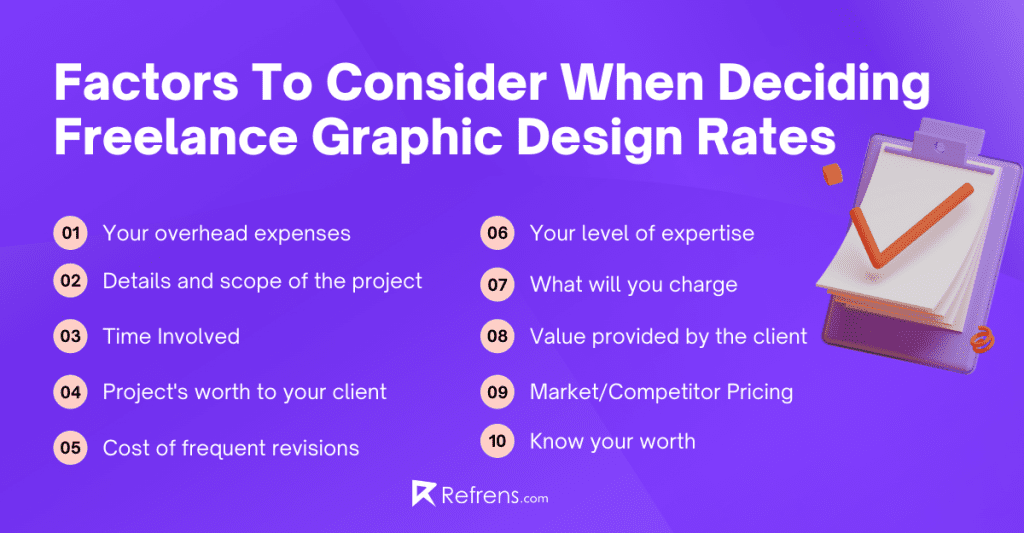
Finding the sweet spot in rate setting is critical; you want to be paid what you’re worth without setting barriers. It’s a balancing act between earning a fair income and remaining competitive in the market. Consider the complexity of projects, your level of expertise, and standard industry rates when setting your fees.
To enhance your earning potential, consider expanding your services. Offering a range of services such as custom font design, template creation, and engaging with print-on-demand businesses can supplement your main income and provide more financial security. Diversifying your offerings keeps the work interesting and opens up additional revenue streams.
Lastly, actively seek out freelance gigs. Tap into your existing network, advertise on local online platforms like Craigslist, and keep an eye out for immediate opportunities that can quickly turn into lucrative projects.
Balancing Personal Projects and Client Work
In the realm of graphic design, the evolution of your skills and portfolio is non-negotiable. New trends, techniques, and tools emerge continuously, and staying abreast of these changes can ensure your services remain in high demand. Your portfolio should be a living document that receives regular updates with your most recent and impressive work.
Personal projects are not just a labor of love; they showcase your unique style and can attract clients who appreciate your creative vision. Including these passion projects in your portfolio demonstrates your versatility and can lead to work that aligns with your interests.
As you navigate your freelance journey, it’s important to strike a balance between client work and personal projects. While it might be tempting to pursue only projects that ignite your passion, remaining open to a variety of assignments can bolster your experience and expand your portfolio. This eclectic approach not only sharpens your technical and creative skills but also helps build your professional network.
Maximizing Freelance Gigs for Income Generation
The demand for skilled graphic designers spans across numerous applications, affording ample opportunities to make graphic design a highly profitable side hustle—or even a full-time venture. Platforms like Fiverr and Upwork open doors to a diverse array of clients who need everything from brand identity to website and social media graphics.
Specializing in specific areas of graphic design can boost your desirability in the marketplace. Becoming an expert, for instance, in typography or illustration could make you the go-to person for those particular needs, increasing your earning potential. Industry success stories, like those of Nicky Laatz and Sam Parrett, demonstrate the possibilities within niche markets.
The average freelance hourly rate of $42 in the U.S. serves as a benchmark for the financial prospects available to graphic designers. While rates may vary, aligning your expertise and experience with competitive pricing will help maximize your income generation.
Maximize your income generation as a freelancer
Create a Strong Freelancer Profile: Start by creating an appealing profile on platforms like Upwork, Freelancer, or LinkedIn with a professional profile picture2.
- Leverage Your Skills: Your skills are your greatest assets as a gig worker. Understanding and effectively utilizing your skills can help you maximize your earned income3.
- Explore Passive Income Opportunities: Consider generating passive income by automating revenue streams. This can provide additional income alongside your active freelance work4.
- Specialize and Optimize: Focus on maximizing your income potential by specializing in a niche area, such as freelance writing. Specialization can often lead to higher-paying gigs and more consistent work opportunities5.
By combining these strategies, freelancers can enhance their income generation potential and create a more sustainable and lucrative freelance career.
Exploring E-Commerce Platforms for Additional Revenue Streams
For graphic designers, e-commerce platforms are a goldmine for additional revenue streams. Etsy, eBay, and Amazon hold the potential to connect you with customers on a global scale, allowing you to sell unique or handmade products. User-friendly setups like Shopify provide a full suite of tools to get an online store up and running in no time.
Dropshipping is an especially attractive option for those who wish to sell products without the hassle of managing inventory. Partnering with manufacturers who can ship directly to customers alleviates the need to handle physical stock, easing the logistical burden.
Print-on-demand services complement the skillset of graphic designers perfectly, offering a zero-stock solution to selling custom-designed products. Third-party providers handle the creation and shipping of items ordered, leaving the designer free to focus on creating.
To drive traffic to your e-commerce store, effective marketing strategies like leveraging social media, engaging in content marketing, and using paid advertising are necessary. These methods help not only in attracting visitors to your store but in converting them into loyal customers, propelling your e-commerce venture towards success.
Author

Scholastic Flash Cards: Sight Words
$3.07 (as of September 19, 2026 07:39 GMT +00:00 – More infoProduct prices and availability are accurate as of the date/time indicated and are subject to change. Any price and availability information displayed on [relevant Amazon Site(s), as applicable] at the time of purchase will apply to the purchase of this product.)
Making Peace with What I Can’t Control: Find Relief from the Exhaustion of Overthinking, Trying to Fix Others, and Wanting to Figure It All Out
$21.98 (as of September 19, 2026 07:39 GMT +00:00 – More infoProduct prices and availability are accurate as of the date/time indicated and are subject to change. Any price and availability information displayed on [relevant Amazon Site(s), as applicable] at the time of purchase will apply to the purchase of this product.)
Whistler: A Novel
$14.99 (as of September 19, 2026 07:39 GMT +00:00 – More infoProduct prices and availability are accurate as of the date/time indicated and are subject to change. Any price and availability information displayed on [relevant Amazon Site(s), as applicable] at the time of purchase will apply to the purchase of this product.)
Lost in Space: 5,000 Facts for Navigating the Universe
$35.00 (as of September 19, 2026 07:39 GMT +00:00 – More infoProduct prices and availability are accurate as of the date/time indicated and are subject to change. Any price and availability information displayed on [relevant Amazon Site(s), as applicable] at the time of purchase will apply to the purchase of this product.)
Protocols: An Operating Manual for the Human Body
$29.40 (as of September 19, 2026 07:39 GMT +00:00 – More infoProduct prices and availability are accurate as of the date/time indicated and are subject to change. Any price and availability information displayed on [relevant Amazon Site(s), as applicable] at the time of purchase will apply to the purchase of this product.)
The Unselected Journals of Emma M. Lion: Vol. 9
$21.00 (as of September 19, 2026 07:39 GMT +00:00 – More infoProduct prices and availability are accurate as of the date/time indicated and are subject to change. Any price and availability information displayed on [relevant Amazon Site(s), as applicable] at the time of purchase will apply to the purchase of this product.)
Whistler: A Novel
$14.99 (as of September 19, 2026 07:39 GMT +00:00 – More infoProduct prices and availability are accurate as of the date/time indicated and are subject to change. Any price and availability information displayed on [relevant Amazon Site(s), as applicable] at the time of purchase will apply to the purchase of this product.)
Paint by Sticker Kids (Official): Halloween: Create 10 Pictures One Sticker at a Time! Includes Glow-in-the-Dark Stickers
$5.21 (as of September 19, 2026 07:39 GMT +00:00 – More infoProduct prices and availability are accurate as of the date/time indicated and are subject to change. Any price and availability information displayed on [relevant Amazon Site(s), as applicable] at the time of purchase will apply to the purchase of this product.)
A Court of Splintered Harmony: The Valkyrie Cycle, Movement I (A Court of Thorns and Roses, 6)
$22.40 (as of September 19, 2026 07:39 GMT +00:00 – More infoProduct prices and availability are accurate as of the date/time indicated and are subject to change. Any price and availability information displayed on [relevant Amazon Site(s), as applicable] at the time of purchase will apply to the purchase of this product.)