

The Rainbow Fish
$5.20 (as of September 19, 2026 07:39 GMT +00:00 – More infoProduct prices and availability are accurate as of the date/time indicated and are subject to change. Any price and availability information displayed on [relevant Amazon Site(s), as applicable] at the time of purchase will apply to the purchase of this product.)
Threshing Day (Wing and Claw Collection) (The Empyrean)
$17.48 (as of September 19, 2026 07:39 GMT +00:00 – More infoProduct prices and availability are accurate as of the date/time indicated and are subject to change. Any price and availability information displayed on [relevant Amazon Site(s), as applicable] at the time of purchase will apply to the purchase of this product.)
Theo of Golden: A Novel
$12.99 (as of September 19, 2026 07:39 GMT +00:00 – More infoProduct prices and availability are accurate as of the date/time indicated and are subject to change. Any price and availability information displayed on [relevant Amazon Site(s), as applicable] at the time of purchase will apply to the purchase of this product.)
Brown Bear, Brown Bear, What Do You See?: 50th Anniversary Edition
$5.36 (as of September 19, 2026 07:39 GMT +00:00 – More infoProduct prices and availability are accurate as of the date/time indicated and are subject to change. Any price and availability information displayed on [relevant Amazon Site(s), as applicable] at the time of purchase will apply to the purchase of this product.)
The Calamity Club: A Novel
$24.01 (as of September 19, 2026 07:39 GMT +00:00 – More infoProduct prices and availability are accurate as of the date/time indicated and are subject to change. Any price and availability information displayed on [relevant Amazon Site(s), as applicable] at the time of purchase will apply to the purchase of this product.)Voiceover Side Hustles: Get Paid to Talk from Your Closet
The Booming Market for Voiceover Talent
Streaming platforms, video game developers, and e-learning companies together fuel a demand exceeding $3 billion annually for voiceover talent. You’ll find opportunities in niches like audiobook narration, commercial spots, and virtual assistant voices. For example, Spotify’s podcasts alone employ thousands of freelance voice actors, while gaming giants like EA Sports continuously seek fresh voices to bring characters to life. This surge means entering the market now lets you tap into a rapidly growing revenue stream, with flexibility to pick projects that fit your unique style and schedule.
Key Takeaways:
- Voiceover work can be a flexible side hustle that allows you to earn money from home using minimal equipment.
- Setting up a quiet recording space, like a closet, helps minimize background noise and improve audio quality.
- Building a strong demo reel and practicing various vocal styles can increase your chances of landing diverse projects.
- Freelance platforms and voiceover marketplaces are great places to find initial gigs and build your portfolio.
- Consistency, networking, and continuous skill improvement are important to grow your side hustle into a steady income stream.
Creating Your Sound Studio at Home
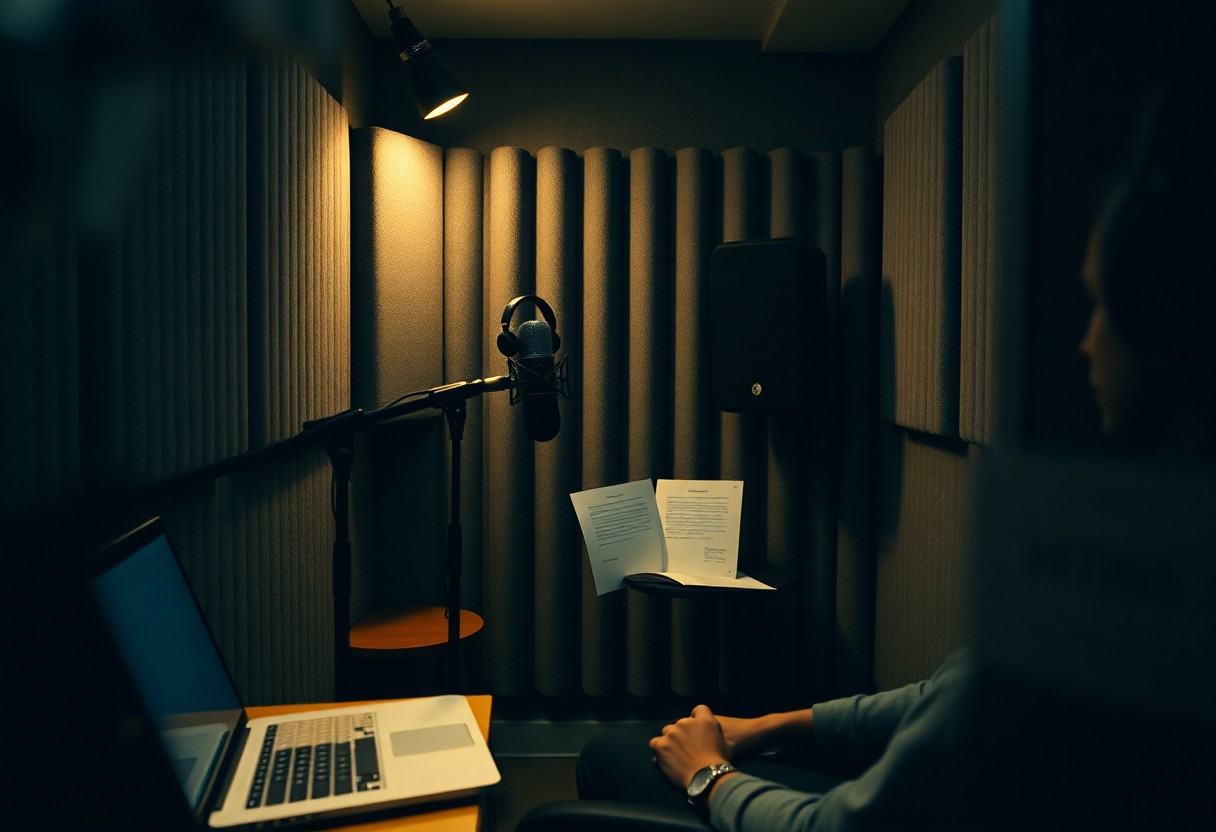
Your home studio can be a game-changer for voiceover work, transforming a small area into a professional-sounding booth. Pay attention to soundproofing and acoustics—using dense materials like foam panels or heavy curtains helps reduce echo and outside noise. Even a walk-in closet, lined with clothes, often acts as an ideal booth due to natural sound absorption. Experiment with placement to find the spot that minimizes background sounds while providing a warm, clear tone for your voice. Setting this stage elevates your recordings to client-ready quality without needing a costly commercial space.
Selecting the Ideal Space for Recording
Choosing the right spot within your home sets the foundation for quality audio. Spaces with soft surfaces and minimal background noise work best—consider a small bedroom corner, a closet filled with clothes, or a room with thick carpeting. Avoid rooms with hard walls or lots of windows, as they typically create unwanted reverberations. Test the area by recording sample clips to detect environmental noises or echo. Minor tweaks like shutting doors and turning off noisy appliances can significantly improve your sound environment.
Essential Equipment: Microphones and Software
Investing in a good-quality microphone can drastically improve your recording clarity—USB mics like the Audio-Technica AT2020USB+ offer excellent fidelity for beginners on a budget. Pair it with reliable recording software such as Audacity or Adobe Audition, which provide user-friendly editing tools and noise reduction capabilities. A pop filter placed in front of your microphone can soften plosives, and a shock mount minimizes vibrations. Collectively, these tools help create polished audio that clients will appreciate.
Beyond basics, condenser microphones are favored for their sensitivity and broad frequency response, capturing the nuances of your voice. Models like the Rode NT1-A come with low self-noise, ideal for clean recordings. Audio interfaces such as the Focusrite Scarlett 2i2 convert analog signals to digital with high fidelity, enhancing overall sound quality. On the software side, Adobe Audition offers multitrack editing and advanced noise reduction algorithms that beginners might grow into, while free options like Audacity still cover imperative functions effectively. Thoughtful equipment choices tailored to your budget and goals accelerate your progress and client satisfaction.

Navigating the Gig Landscape
Exploring voiceover gigs means jumping into a competitive but rewarding world where opportunity comes from versatility and persistence. Focusing on diverse niches, such as commercials, audiobooks, or video games, increases your visibility and income potential. Continuous skill honing and clear communication with clients further sets you apart. Real-world examples show voice actors earning $4,500 monthly when combining steady gigs with strategic self-promotion—something you can learn more about in Getting Paid to Talk: $4500 a Month Voiceover Acting.
Online Platforms to Find Voiceover Work
Platforms like Voices.com, Fiverr, and Upwork serve as prime marketplaces where you can create profiles, upload demos, and bid on projects tailored to your voice talents. These sites not only offer access to thousands of clients but provide tools for managing contracts and payments. Regularly updating your profile with samples and client reviews maximizes your chances of landing steady voiceover gigs to supplement your income.
Strategies for Building Your Client Base
Networking within niche forums, attending virtual voiceover workshops, and reaching out directly to local businesses can expand your client roster rapidly. Sending personalized audition clips tailored to potential clients’ brands demonstrates initiative and professionalism, often leading to repeat work. Consistently following up after projects keeps you top of mind, transforming one-time jobs into ongoing collaborations.
Diving deeper, building lasting relationships through excellent delivery and reliability fosters client loyalty and referrals. Offering package deals or flexible rates for frequent clients makes your services more attractive. Additionally, maintaining a professional website showcasing your portfolio and testimonials strengthens your credibility, enabling you to convert prospects into long-term clients who value your voice talents.
Mastering Voiceover Skills for Success
Your voice carries the power to persuade, entertain, and inform, but honing that power takes deliberate practice and fine-tuning. Focusing on clarity, intonation, and emotional tone will transform your recordings from ordinary to captivating. Consistent listening to industry professionals and mimicking their techniques helps you find your unique style. Embracing feedback, adapting your delivery for various scripts, and training your vocal muscles can push your work beyond amateur levels, increasing your marketability and confidence in the booth.
The Art of Diction and Delivery
Precision in pronunciation shapes how your audience perceives the message and your professionalism. Enhancing your diction through targeted exercises, like tongue twisters, sharpens enunciation and reduces filler words or mumbling. Modulating your breath and pacing ensures that your delivery feels natural yet engaging. Experimenting with emphasis on key words or slight pauses changes the impact of a script. You can create dynamic performances by adjusting tone to suit different content, whether it’s upbeat commercials or somber narrations.
Building a Standout Demo Reel
Creating a demo reel that showcases your versatility in style and tone acts as your primary marketing tool. Including varied samples—animated characters, corporate narrations, or commercial spots—demonstrates your range to potential clients. Keeping the reel concise, typically under 90 seconds, respects listeners’ time while packing a powerful punch. High-quality recording is a must to highlight your clear sound and professionalism. Updating your reel regularly reflects your evolving skills and the latest industry trends you can master.
To expand on your demo reel, focus on curating scripts that align with the types of jobs you want to attract. For instance, if targeting audiobooks, incorporate a section featuring different genres like fiction and documentary to showcase adaptability. Use editing software to ensure smooth transitions between clips, maintaining consistent volume and sound levels throughout. Incorporating brief intros to each sample can help clients understand the context and your intention behind the delivery, making your reel more memorable and effective in securing gigs.
Securing Your First Projects and Beyond
Landing your initial voiceover gigs often means combining persistence with savvy networking and marketing. Start by creating a polished demo that highlights your best vocal styles and upload it to popular platforms like Voices.com or Fiverr. Reach out directly to local businesses or content creators who may need voice work for ads, tutorials, or podcasts. Keep refining your skills by taking feedback seriously and adapting quickly. Your first few projects might pay modestly, but consistently delivering quality work builds a client base and opens doors to higher-paying opportunities.
Tips for Landing Your Initial Gigs
Focus on crafting clear, concise demo reels tailored to the types of jobs you want. Join online communities where voiceover opportunities get shared frequently. Utilize keywords on your profiles to improve discoverability, and consider offering introductory rates to attract your first clients. Networking via social media or local industry meetups helps you gain referrals. Any outreach should be professional yet personable, showing you understand clients’ needs while showcasing flexibility.
Setting Competitive Rates and Negotiating
Start by researching industry-standard rates, which often range from $100 to $500 for short commercial spots but can vary widely depending on experience and client. Offer tiered pricing: basic for smaller projects and premium for complex sessions that demand multiple voices or fast turnaround. When negotiating, present clear justifications for your rates based on your skill level and project requirements. Any willingness to negotiate without undervaluing your work helps build long-term relationships with clients.
Voiceover rates differ significantly across markets and project types; for example, narration for e-learning courses may pay per finished minute, often between $250 and $400, while character voices in animation might command higher fees due to complexity. Understanding these nuances lets you confidently discuss pricing and avoid accepting projects that don’t meet your minimum threshold. Adding clauses for usage rights and revisions in your contracts ensures compensation aligns with the scope, protecting both you and your client.
Q: What equipment do I need to start a voiceover side hustle from home?
A: To begin recording voiceovers from your closet, you’ll need a good quality microphone (such as a USB condenser mic), a pop filter to reduce plosive sounds, headphones for monitoring, and audio recording software like Audacity or Adobe Audition. Your closet, filled with clothes, naturally dampens echo and background noise, making it an effective makeshift sound booth.
Q: How can I find voiceover jobs as a beginner?
A: Starting out, you can explore freelance platforms like Fiverr, Upwork, and Voices.com where clients post voiceover gigs. Creating a professional demo reel showcasing different styles and tones will help attract potential clients. Additionally, networking on social media groups dedicated to voiceover artists and reaching out to local businesses for projects can provide opportunities.
Q: What types of projects can I expect to voice from home?
A: Voiceover projects vary widely and can include commercials, audiobooks, explainer videos, e-learning modules, phone system prompts, podcasts, animation characters, and more. Many of these can be recorded remotely, making a home setup like your closet an ideal workspace for these assignments.
Q: How do I ensure high audio quality in a closet recording setup?
A: Achieving professional sound quality involves reducing background noise and echo. Using a closet packed with clothes provides natural sound absorption. Position your microphone properly, use a pop filter, and perform test recordings to adjust levels. Editing your audio afterward to remove breaths, clicks, or ambient noise will further improve the final product.
Q: Can voiceover work provide a steady side income, and how much can I expect to earn?
A: With consistent effort and quality work, voiceover gigs can generate a steady supplemental income. Beginners might earn $20 to $50 per project, while experienced voice actors can make hundreds or more per job. Rates depend on factors like project length, usage rights, and client budgets. Building a strong portfolio and client relationships will help increase your earning potential over time.
Author

The Calamity Club: A Novel
$24.01 (as of September 19, 2026 07:39 GMT +00:00 – More infoProduct prices and availability are accurate as of the date/time indicated and are subject to change. Any price and availability information displayed on [relevant Amazon Site(s), as applicable] at the time of purchase will apply to the purchase of this product.)
One Man In: The Explosive Firsthand Account of the Lone Special-Ops Commando Who Fought Off a Major Terrorist Attack in Kenya
$30.00 (as of September 19, 2026 07:39 GMT +00:00 – More infoProduct prices and availability are accurate as of the date/time indicated and are subject to change. Any price and availability information displayed on [relevant Amazon Site(s), as applicable] at the time of purchase will apply to the purchase of this product.)
Verity
$13.53 (as of September 19, 2026 07:39 GMT +00:00 – More infoProduct prices and availability are accurate as of the date/time indicated and are subject to change. Any price and availability information displayed on [relevant Amazon Site(s), as applicable] at the time of purchase will apply to the purchase of this product.)
Theo of Golden: A Novel
$13.98 (as of September 19, 2026 07:39 GMT +00:00 – More infoProduct prices and availability are accurate as of the date/time indicated and are subject to change. Any price and availability information displayed on [relevant Amazon Site(s), as applicable] at the time of purchase will apply to the purchase of this product.)
Swan Song: Diana, my sister
$24.50 (as of September 19, 2026 07:39 GMT +00:00 – More infoProduct prices and availability are accurate as of the date/time indicated and are subject to change. Any price and availability information displayed on [relevant Amazon Site(s), as applicable] at the time of purchase will apply to the purchase of this product.)
The Perilous Fight
$26.95 (as of September 19, 2026 07:39 GMT +00:00 – More infoProduct prices and availability are accurate as of the date/time indicated and are subject to change. Any price and availability information displayed on [relevant Amazon Site(s), as applicable] at the time of purchase will apply to the purchase of this product.)
Scholastic Flash Cards: Sight Words
$3.07 (as of September 19, 2026 07:39 GMT +00:00 – More infoProduct prices and availability are accurate as of the date/time indicated and are subject to change. Any price and availability information displayed on [relevant Amazon Site(s), as applicable] at the time of purchase will apply to the purchase of this product.)
Verity
$13.53 (as of September 19, 2026 07:39 GMT +00:00 – More infoProduct prices and availability are accurate as of the date/time indicated and are subject to change. Any price and availability information displayed on [relevant Amazon Site(s), as applicable] at the time of purchase will apply to the purchase of this product.)
The Altar of Pergamon: The Mystery of the Dark Angel and the Future of the World
$21.48 (as of September 19, 2026 07:39 GMT +00:00 – More infoProduct prices and availability are accurate as of the date/time indicated and are subject to change. Any price and availability information displayed on [relevant Amazon Site(s), as applicable] at the time of purchase will apply to the purchase of this product.)




Leave a Reply