

The Calamity Club: A Novel
$24.01 (as of September 19, 2026 07:39 GMT +00:00 – More infoProduct prices and availability are accurate as of the date/time indicated and are subject to change. Any price and availability information displayed on [relevant Amazon Site(s), as applicable] at the time of purchase will apply to the purchase of this product.)
Brown Bear, Brown Bear, What Do You See?: 50th Anniversary Edition
$5.36 (as of September 19, 2026 07:39 GMT +00:00 – More infoProduct prices and availability are accurate as of the date/time indicated and are subject to change. Any price and availability information displayed on [relevant Amazon Site(s), as applicable] at the time of purchase will apply to the purchase of this product.)
The Altar of Pergamon: The Mystery of the Dark Angel and the Future of the World
$21.48 (as of September 19, 2026 07:39 GMT +00:00 – More infoProduct prices and availability are accurate as of the date/time indicated and are subject to change. Any price and availability information displayed on [relevant Amazon Site(s), as applicable] at the time of purchase will apply to the purchase of this product.)
The Nerd Reich: Silicon Valley Fascism and the War on Democracy
$30.00 (as of September 19, 2026 07:39 GMT +00:00 – More infoProduct prices and availability are accurate as of the date/time indicated and are subject to change. Any price and availability information displayed on [relevant Amazon Site(s), as applicable] at the time of purchase will apply to the purchase of this product.)
Making Peace with What I Can’t Control: Find Relief from the Exhaustion of Overthinking, Trying to Fix Others, and Wanting to Figure It All Out
$21.98 (as of September 19, 2026 07:39 GMT +00:00 – More infoProduct prices and availability are accurate as of the date/time indicated and are subject to change. Any price and availability information displayed on [relevant Amazon Site(s), as applicable] at the time of purchase will apply to the purchase of this product.)As you launch on your journey to become a successful video editing freelancer, you’re likely driven by a passion for storytelling and a desire to bring creative visions to life. With the rise of digital content, the demand for skilled video editors has never been higher. But, in a crowded market, it can be daunting to navigate the path to a lucrative career. Fear not, for you’re about to uncover the important steps to establish yourself as a sought-after video editing freelancer, leveraging your skills to attract high-paying clients and build a thriving business that brings you both creative fulfillment and financial freedom.
Key Takeaways:
- Develop a Niche: Specialize in a specific type of video editing, such as wedding, corporate, or documentary editing, to stand out in a competitive market and attract high-paying clients.
- Build a Strong Online Presence: Create a professional website and social media profiles to showcase your portfolio, skills, and services, making it easy for potential clients to find and hire you.
- Invest in Quality Equipment and Software: Stay up-to-date with the latest video editing tools and technology to deliver high-quality work and stay competitive in the industry.
- Network and Collaborate: Attend industry events, join online communities, and collaborate with other freelancers and professionals to build relationships, find new opportunities, and stay informed about industry trends.
- Set Competitive Rates and Terms: Research the market to determine fair and competitive rates for your services, and establish clear terms and contracts to protect yourself and your clients.
Building a Strong Foundation
The key to a successful video editing freelance career is laying a solid groundwork. This foundation will serve as the backbone of your business, supporting your growth and helping you navigate the ups and downs of freelancing.
Developing Essential Video Editing Skills
Videography and editing techniques are constantly evolving, so it’s vital to stay up-to-date with the latest trends and software. [Decide which editing software you want to specialize in and focus on mastering it.] Focus on building a strong foundation in the fundamentals of video editing, including color correction, sound design, and visual storytelling.
Investing in Quality Equipment and Software
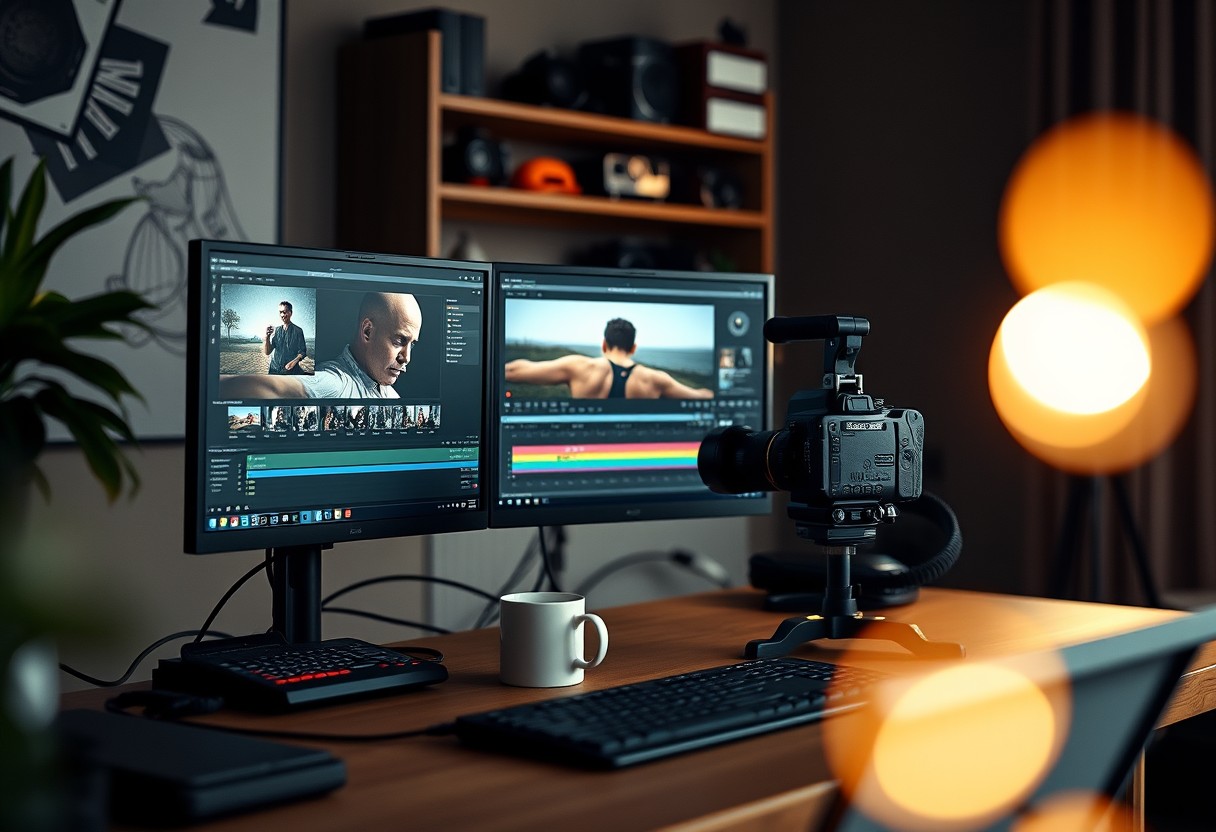
Behind every great video editor is a powerful computer and high-quality software. [Determine your budget and invest in the best equipment and software you can afford.] Invest in a fast computer, high-capacity storage, and industry-standard software to ensure you can handle complex projects efficiently.
Another important consideration is the type of camera and accessories you’ll need to deliver high-quality footage. While you may not need the most expensive equipment, investing in a good camera, lenses, and lighting will make a significant difference in the quality of your final product. [Consider renting equipment or finding a reliable supplier for occasional use.] By investing in quality equipment and software, you’ll be able to take on more complex projects and deliver exceptional results to your clients.
Crafting a Professional Online Presence
It’s important to showcase your skills and expertise as a video editor in the digital realm, where potential clients can easily find and assess your work. A professional online presence will help you stand out in a crowded market and increase your chances of landing lucrative projects.
Creating a Portfolio that Stands Out
Establishing a Strong Online Identity
Professional online profiles, such as LinkedIn or Behance, should accurately reflect your skills, experience, and personality. Ensure that your profile pictures, banners, and bio are consistent across all platforms, and that your website or blog is easy to navigate and visually appealing. By doing so, you’ll create a strong online identity that showcases your expertise and attracts potential clients.
Finding and Landing Clients
Despite having a stellar portfolio and impressive skills, finding and landing clients can be a daunting task for many video editing freelancers. However, with a strategic approach, you can increase your chances of success and build a loyal client base.
Identifying Lucrative Markets and Niches
To tap into the most profitable opportunities, you need to identify lucrative markets and niches that align with your skills and interests. [Decide which niches to focus on based on your strengths and market demand.] By doing so, you’ll be able to differentiate yourself from competitors and attract high-paying clients.
Effective Strategies for Pitching and Proposing
The key to winning over clients is to craft compelling pitches and proposals that showcase your unique value proposition. [Tailor your pitches to each client’s specific needs and goals.] By doing so, you’ll be able to demonstrate your expertise and build trust with potential clients.
Also, when crafting your pitches and proposals, be sure to highlight your unique strengths and the benefits you can bring to the project. This could include your expertise in a specific video editing software, your experience working with similar clients, or your ability to meet tight deadlines. [Be prepared to back up your claims with examples and case studies.] By showcasing your value and building a strong relationship with clients, you’ll be well on your way to landing lucrative projects and building a successful video editing freelance career.
Delivering High-Quality Work
All successful freelance video editors understand the importance of delivering high-quality work consistently. This is what sets you apart from others, builds your reputation, and attracts repeat business and referrals. By focusing on quality, you’ll establish trust with your clients and ensure a steady stream of projects.
Best Practices for Efficient Video Editing
An organized workflow is important to delivering high-quality work efficiently. Set clear goals, prioritize tasks, and use project management tools to stay on track. [Decide on a project management tool that works best for you and stick to it.]
Meeting Client Expectations and Exceeding Them
The key to building long-term relationships with clients is understanding their needs and exceeding their expectations. Take the time to thoroughly understand the project brief, ask questions, and clarify any doubts you may have.
Efficient communication is vital in meeting client expectations. Be proactive in sharing your progress, and don’t hesitate to seek feedback. By doing so, you’ll ensure that you’re on the right track and can make adjustments as needed. This will not only lead to happy clients but also reduce the likelihood of costly revisions down the line.
Managing a Freelance Business
Keep in mind that managing a freelance business requires a different set of skills than video editing itself. You’ll need to handle tasks such as marketing, accounting, and client communication. For inspiration, check out this Reddit thread on How to start career as a freelancer video editor, where experienced freelancers share their insights and advice.
Setting Rates and Negotiating Contracts
With a solid portfolio and a clear understanding of your target market, you’ll need to set rates that reflect your skills and expertise. [Deciding on your pricing strategy is one of the most important decisions you’ll make as a freelancer.] Be prepared to negotiate contracts with clients, and don’t be afraid to walk away if the terms aren’t right for you.
Time Management and Organization Techniques
Beside your editing skills, your ability to manage your time and stay organized will make or break your freelance business. You’ll need to prioritize tasks, set deadlines, and maintain a schedule that allows for flexibility and creativity.
Techniques such as the Pomodoro Technique, which involves working in focused 25-minute increments, followed by a five-minute break, can help you stay on track and avoid burnout. Additionally, using project management tools like Trello or Asana can help you visualize your workflow and stay organized. By implementing these techniques, you’ll be able to deliver high-quality work while maintaining a healthy work-life balance.
Staying Ahead in a Competitive Industry
To succeed as a freelance video editor, you need to stay ahead of the competition. This means being proactive and taking deliberate steps to maintain your edge in the industry.
Staying Up-to-Date with Industry Trends and Tools
The pace of technological advancements in video editing software and hardware is breathtaking, and you need to stay informed to remain competitive. [It’s crucial to dedicate a specific time each week to learning about new tools and trends.]
Continuously Improving Skills and Knowledge
Trends in video editing are constantly evolving, and you need to evolve with them. By continuously improving your skills and knowledge, you’ll be able to tackle complex projects and deliver high-quality results that meet your clients’ expectations.
A key aspect of continuously improving your skills and knowledge is to identify areas where you need improvement. Take an honest assessment of your strengths and weaknesses, and create a plan to address those weaknesses. This might involve taking online courses, attending workshops or conferences, or seeking feedback from colleagues and mentors. By doing so, you’ll be able to stay ahead of the competition and deliver exceptional results that drive your freelance video editing career forward.
Summing up
Taking this into account, you now possess the vital roadmap to navigate the world of video editing freelance and unlock a lucrative career. By following these steps, you’ve set yourself up for success, from honing your skills to building a client base and marketing your services. As you commence on this journey, keep in mind that your dedication and persistence will be the driving forces behind your growth. With time and effort, you’ll find yourself thriving in the competitive video editing freelance landscape, and your career will flourish as a result.
FAQ
Q: What skills do I need to become a successful video editing freelancer?
A: To thrive as a video editing freelancer, you’ll need a strong foundation in video editing software such as Adobe Premiere Pro, Final Cut Pro, or Avid Media Composer. Additionally, having skills in storytelling, visual aesthetics, and attention to detail are vital. Familiarity with color grading, sound design, and motion graphics can also be beneficial. Furthermore, developing soft skills like communication, time management, and project coordination will help you effectively collaborate with clients and manage projects efficiently.
Q: How do I find clients as a video editing freelancer?
A: There are several ways to find clients as a video editing freelancer. You can start by building a professional website showcasing your portfolio and services. Utilize social media platforms like LinkedIn, Twitter, and Facebook to promote your work and engage with potential clients. Attend industry events, conferences, and meetups to network with other professionals in the field. You can also offer discounted or free services to friends, family, or local businesses to build your portfolio and generate referrals. Lastly, consider joining freelance platforms like Upwork, Freelancer, or Fiverr to access a broader client base.
Q: What kind of equipment do I need to get started with video editing freelance work?
A: As a video editing freelancer, you’ll need a reliable computer with a fast processor, ample storage, and sufficient RAM. A high-performance laptop or desktop with a dedicated graphics card is ideal. You’ll also need video editing software, which can be purchased or subscribed to on a monthly basis. Depending on the type of projects you take on, you may need additional equipment like external hard drives, monitors, or headphones. However, you can always start with the basics and upgrade as your business grows.
Q: How do I set my rates as a video editing freelancer?
A: Setting your rates as a video editing freelancer depends on several factors, including your level of experience, the type of projects you take on, and the level of competition in your market. Research the going rate for similar services in your area and consider factors like the complexity of the project, the number of revisions required, and the turnaround time. You may also want to consider offering different tiers of service or packages to cater to various client budgets. Ultimately, your rates should reflect the value you bring to your clients and ensure you’re earning a sustainable income.
Q: How do I manage my time effectively as a video editing freelancer?
A: Effective time management is critical to success as a video editing freelancer. Start by prioritizing your tasks and breaking down larger projects into smaller, manageable chunks. Create a schedule and stick to it, allowing for flexibility when needed. Set realistic deadlines and communicate them clearly to your clients. Take regular breaks to avoid burnout and maintain a healthy work-life balance. Consider using project management tools like Trello, Asana, or Basecamp to stay organized and focused. By managing your time efficiently, you’ll be able to deliver high-quality work, meet deadlines, and grow your business.
Author

Yesteryear: A GMA Book Club Pick: A Novel
$14.99 (as of September 19, 2026 07:39 GMT +00:00 – More infoProduct prices and availability are accurate as of the date/time indicated and are subject to change. Any price and availability information displayed on [relevant Amazon Site(s), as applicable] at the time of purchase will apply to the purchase of this product.)
The Altar of Pergamon: The Mystery of the Dark Angel and the Future of the World
$21.48 (as of September 19, 2026 07:39 GMT +00:00 – More infoProduct prices and availability are accurate as of the date/time indicated and are subject to change. Any price and availability information displayed on [relevant Amazon Site(s), as applicable] at the time of purchase will apply to the purchase of this product.)
The Very Hungry Caterpillar
$5.75 (as of September 19, 2026 07:39 GMT +00:00 – More infoProduct prices and availability are accurate as of the date/time indicated and are subject to change. Any price and availability information displayed on [relevant Amazon Site(s), as applicable] at the time of purchase will apply to the purchase of this product.)
Swan Song: Diana, my sister
$24.50 (as of September 19, 2026 07:39 GMT +00:00 – More infoProduct prices and availability are accurate as of the date/time indicated and are subject to change. Any price and availability information displayed on [relevant Amazon Site(s), as applicable] at the time of purchase will apply to the purchase of this product.)
Threshing Day (Wing and Claw Collection) (The Empyrean)
$17.48 (as of September 19, 2026 07:39 GMT +00:00 – More infoProduct prices and availability are accurate as of the date/time indicated and are subject to change. Any price and availability information displayed on [relevant Amazon Site(s), as applicable] at the time of purchase will apply to the purchase of this product.)
Theo of Golden: A Novel
$12.99 (as of September 19, 2026 07:39 GMT +00:00 – More infoProduct prices and availability are accurate as of the date/time indicated and are subject to change. Any price and availability information displayed on [relevant Amazon Site(s), as applicable] at the time of purchase will apply to the purchase of this product.)
Scholastic Flash Cards: Sight Words
$3.07 (as of September 19, 2026 07:39 GMT +00:00 – More infoProduct prices and availability are accurate as of the date/time indicated and are subject to change. Any price and availability information displayed on [relevant Amazon Site(s), as applicable] at the time of purchase will apply to the purchase of this product.)
Theo of Golden: A Novel
$13.98 (as of September 19, 2026 07:39 GMT +00:00 – More infoProduct prices and availability are accurate as of the date/time indicated and are subject to change. Any price and availability information displayed on [relevant Amazon Site(s), as applicable] at the time of purchase will apply to the purchase of this product.)
Verity
$13.53 (as of September 19, 2026 07:39 GMT +00:00 – More infoProduct prices and availability are accurate as of the date/time indicated and are subject to change. Any price and availability information displayed on [relevant Amazon Site(s), as applicable] at the time of purchase will apply to the purchase of this product.)




Leave a Reply