

The Very Hungry Caterpillar
$5.75 (as of September 19, 2026 07:39 GMT +00:00 – More infoProduct prices and availability are accurate as of the date/time indicated and are subject to change. Any price and availability information displayed on [relevant Amazon Site(s), as applicable] at the time of purchase will apply to the purchase of this product.)
Theo of Golden: A Novel
$12.99 (as of September 19, 2026 07:39 GMT +00:00 – More infoProduct prices and availability are accurate as of the date/time indicated and are subject to change. Any price and availability information displayed on [relevant Amazon Site(s), as applicable] at the time of purchase will apply to the purchase of this product.)
A Court of Forgotten Melody: The Valkyrie Cycle, Movements II & III (A Court of Thorns and Roses, 7)
$26.60 (as of September 19, 2026 07:39 GMT +00:00 – More infoProduct prices and availability are accurate as of the date/time indicated and are subject to change. Any price and availability information displayed on [relevant Amazon Site(s), as applicable] at the time of purchase will apply to the purchase of this product.)
The Altar of Pergamon: The Mystery of the Dark Angel and the Future of the World
$21.48 (as of September 19, 2026 07:39 GMT +00:00 – More infoProduct prices and availability are accurate as of the date/time indicated and are subject to change. Any price and availability information displayed on [relevant Amazon Site(s), as applicable] at the time of purchase will apply to the purchase of this product.)
The Perilous Fight
$26.95 (as of September 19, 2026 07:39 GMT +00:00 – More infoProduct prices and availability are accurate as of the date/time indicated and are subject to change. Any price and availability information displayed on [relevant Amazon Site(s), as applicable] at the time of purchase will apply to the purchase of this product.)With the advancement of technology, transcription services have evolved significantly, allowing businesses and professionals to efficiently convert audio and video files into written text with pinpoint accuracy. In this blog post, we will explore how remote transcription services are revolutionizing the way we document and archive important information, enabling organizations to streamline their workflow and increase productivity.
Key Takeaways:
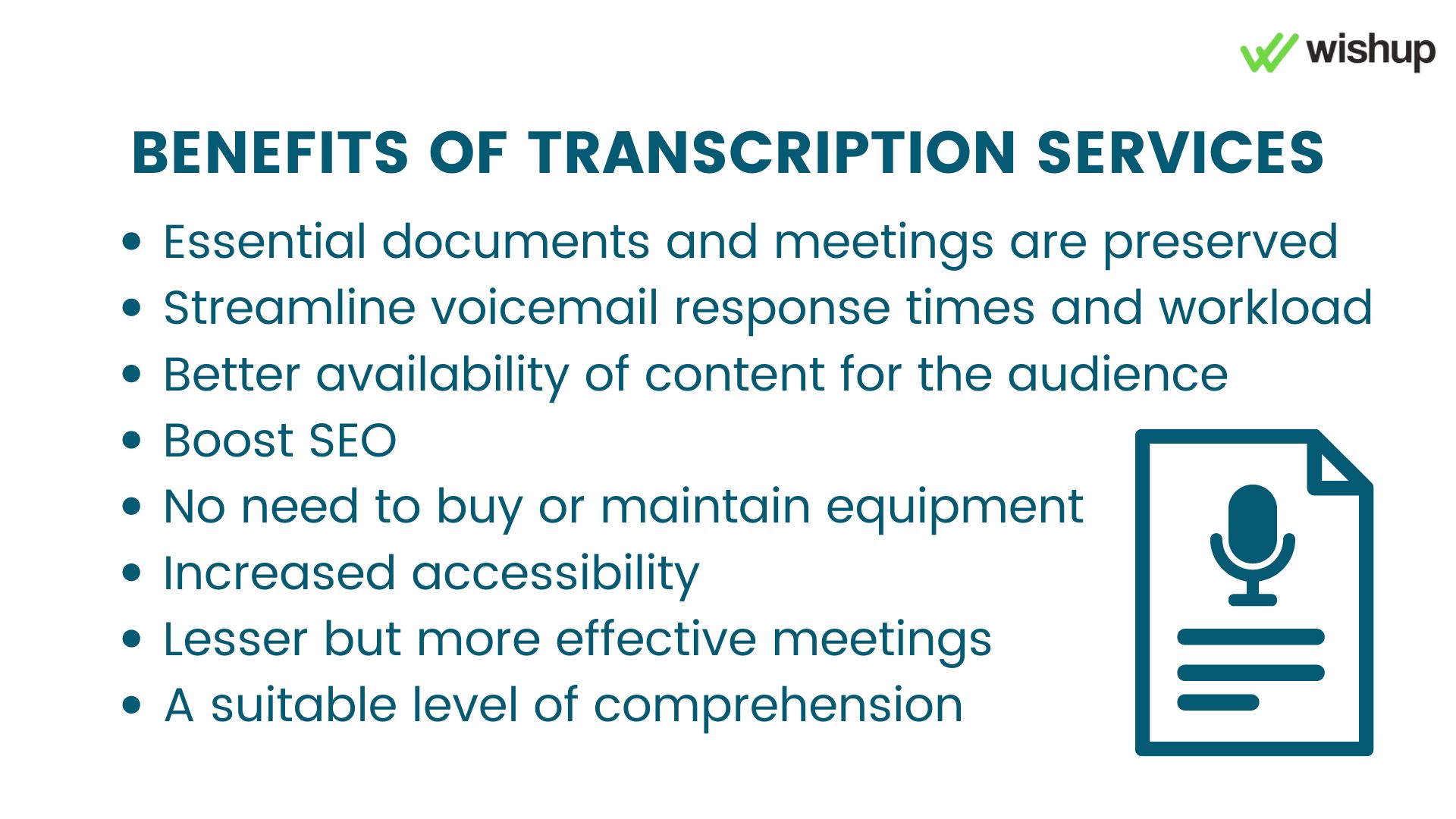
- Transcription services are important for businesses: Transcription services play a crucial role in converting audio and video content into text, making it more accessible and searchable.
- Remote transcription offers flexibility: The ability to work remotely as a transcriptionist allows for flexibility in scheduling and eliminates geographical boundaries.
- Accuracy is paramount: Ensuring accuracy in transcriptions is vital to maintain the quality and credibility of the content being transcribed.
- Use of technology in transcription: Technology has streamlined the transcription process, enabling faster turnaround times and improved efficiency.
- Professional transcriptionists are in demand: As the demand for transcription services grows, skilled and experienced transcriptionists are becoming increasingly sought after in the industry.
Remote transcription services can benefit businesses in several ways
- Enhanced Efficiency: Outsourcing transcription tasks to third-party service firms provides access to advanced technology and skilled transcriptionists, resulting in nearly 100% accurate transcriptions[5]. This accuracy is crucial for maintaining confidentiality, especially when transcribing internal meetings that contain sensitive information[5].
- Cost-Effectiveness: Outsourcing transcription services can lower overhead costs compared to maintaining an in-house team, as you only pay for the services you use without the additional expenses of salaries, benefits, and office space[4][3].
- Time-Saving: Professional transcriptionists can deliver high-quality transcripts quickly, saving time compared to in-house staff who may not have the same level of expertise or experience[3].
- Flexibility and Scalability: External transcription companies have the resources to handle fluctuating workloads efficiently, ensuring deadlines are met without straining internal resources[5].
- Focus on Core Activities: By outsourcing transcription services, businesses can free up their in-house employees to concentrate on core competencies rather than spending time on transcription tasks[5].
- Improved Communication: Transcripts from remote transcription services can streamline communication across various platforms, benefiting both business owners and employees, especially those working remotely or facing audio quality issues[5].
Remote transcription services offer businesses a cost-effective, efficient, and scalable solution for accurate transcriptions while allowing internal teams to focus on essential tasks and improving overall communication processes.
The Core Principles of Transcription Services
Understanding Transcription: More Than Just Typing
Any professional transcription service understands that transcription is more than just typing out words. It involves carefully listening to audio recordings, deciphering accents and speech patterns, and accurately capturing every detail. Transcribers must have a keen ear for different tones, emotions, and nuances in speech to provide an accurate written record.
The Role of Technology in Modern Transcription Practices
Practices in modern transcription services heavily rely on advanced technology to streamline processes and improve accuracy. Using speech recognition software can help transcribers work more efficiently by automatically transcribing spoken words into text. Additionally, time-stamping tools can aid in organizing transcripts and ensuring precise synchronization with audio recordings.
To stay competitive in the transcription industry, it is crucial for professionals to embrace technological advancements and incorporate them into their practices. This not only enhances the speed and accuracy of transcriptions but also allows for greater scalability and adaptability to different client needs.

Tools of the Trade: Software and Hardware for Professional Transcribers
The world of transcription services is evolving rapidly, and so are the tools that transcribers use to ply their trade. Whether you are a seasoned professional or just starting out in the world of transcription, having the right software and hardware at your disposal can make a world of difference in your efficiency and accuracy.
Must-Have Software for Efficient Transcription
Professional transcribers rely heavily on specialized software to ensure accuracy and speed in their work. One such tool is Express Scribe, a transcription software that allows you to control audio playback with keyboard hotkeys, foot pedals, or a touchscreen. This feature-rich program also supports a wide range of audio formats, making it a versatile choice for transcribers working with diverse audio sources. Another important software for transcribers is OTranscribe, a free, web-based tool that simplifies the transcription process by providing a distraction-free environment for typing while listening to audio.
Essential Hardware for a Transcriber’s Workspace
Must-Have for any transcriber is a reliable set of headphones or earphones that offer clear audio quality and comfort for extended use. Foot pedals are also a popular choice among professional transcribers, allowing hands-free control of audio playback while typing. Additionally, investing in a comfortable ergonomic chair and desk setup can help prevent physical strain during long hours of transcribing.
Transcribers know the importance of having the right tools at their disposal to excel in their craft. By investing in top-quality software and hardware, transcribers can maximize their efficiency and accuracy, ultimately providing clients with high-quality transcripts in a timely manner.
Enhancing Skills: Techniques for Mastering Transcription
The Importance of Listening Skills and How to Improve Them
Many skilled transcriptionists attribute their success to exceptional listening skills. The ability to decipher and accurately transcribe spoken words is fundamental to the transcription process. To enhance listening skills, transcriptionists should focus on active listening techniques. This includes concentrating on the speaker’s voice, tone, and inflections, as well as utilizing tools like noise-canceling headphones to minimize distractions.
Speed and Accuracy: Striking the Right Balance
Many transcriptionists face the challenge of balancing speed and accuracy. While it’s crucial to transcribe quickly to meet tight deadlines, accuracy should never be compromised. To enhance both speed and accuracy, transcriptionists can utilize shortcuts, practice touch typing, and familiarize themselves with industry-specific terminology. Continuous practice and self-assessment are key to striking the right balance between speed and accuracy.
Transcription requires a combination of speed and accuracy to deliver high-quality results efficiently. It is important for transcriptionists to prioritize accuracy while honing their speed to meet the demands of the job. By mastering the art of transcription through the enhancement of listening skills and finding the right balance between speed and accuracy, transcriptionists can unleash their full potential in the world of remote word wizardry.

Navigating the Market: Finding and Securing Transcription Work
Despite the vast opportunities available in the transcription industry, finding and securing transcription work can be a challenging task. With the rise of remote work and the increasing demand for transcription services, navigating the market requires a strategic approach to stand out among the competition. Whether you are a seasoned transcriptionist or just starting in the field, understanding the dynamics of the market is imperative for success.
Freelance Transcription: Opportunities and Challenges
Securing freelance transcription work offers flexibility and the opportunity to work with a diverse range of clients from various industries. Platforms like Upwork, Fiverr, and Rev allow transcriptionists to showcase their skills and connect with potential clients worldwide. However, the competitive nature of freelance platforms can make it challenging to secure high-paying and consistent work. Building a strong profile, including relevant experience and certifications, is crucial to attracting potential clients and standing out in the crowd.
Building a Reputation: Tips for Standing Out in the Transcription Industry
To build a reputation as a top-notch transcriptionist, focusing on accuracy, efficiency, and professionalism is key. Delivering high-quality transcripts within deadlines, maintaining clear communication with clients, and honing your editing skills are imperative to building a strong reputation in the industry. Networking with fellow transcriptionists and participating in online forums or industry events can also help you expand your client base and establish credibility.
- Accuracy is crucial in transcription work to ensure client satisfaction and maintain a positive reputation.
- Efficiency in delivering transcripts promptly can set you apart from competitors and earn you repeat business.
- Professionalism in all interactions with clients can help build trust and long-lasting relationships in the industry.
Challenges may arise in building a reputation due to the competitive nature of the transcription market. It is important to stay updated on industry trends, continuously improve your skills, and adapt to the changing demands of clients to remain successful. Perceiving yourself as a valuable asset to your clients and constantly striving for excellence will help you overcome challenges and thrive in the transcription industry.
The Client’s Perspective: What Makes an Exceptional Transcription Service?
All business owners, professionals, and individuals seeking transcription services want the best results possible. With the rise of technology, people are exploring new avenues to get their audio transcribed efficiently and accurately. One popular discussion on Free and easy audio transcription AI? : r/software revolves around finding cost-effective and reliable solutions. However, when it comes to exceptional transcription services, the client’s perspective plays a vital role in determining what sets one service apart from another.

Understanding Client Needs and Delivering Quality Work
Clients come to transcription services with diverse needs and expectations. Some may require technical terminology to be accurately transcribed, while others may need time stamps for detailed analysis. Understanding these needs and delivering quality work is key to providing an exceptional service. By actively listening to clients, asking clarifying questions, and providing regular updates, transcription service providers can ensure that the final deliverable meets or exceeds expectations.
Maintaining Confidentiality and Trust in Remote Relationships
Delivering transcription services remotely comes with the responsibility of maintaining confidentiality and trust. Clients must feel reassured that their sensitive data and information are safe in the hands of the service provider. Implementing stringent security protocols, using encrypted communication channels, and having clear confidentiality agreements in place are crucial steps in building trust with clients. Transparency about data handling practices and a commitment to data privacy are imperative components of a successful remote transcription service relationship.
When clients feel confident that their information is secure and that the service provider values their privacy, it paves the way for a strong and lasting partnership. Establishing trust through reliable performance and exemplary data protection practices can set an exceptional transcription service apart in the eyes of the client.

Legal and Ethical Considerations in the Transcription Industry
An Overview of Legal Transcription Requirements
After receiving audio recordings, legal transcriptionists are tasked with converting spoken words into written text accurately. Accuracy is crucial in legal transcription as any error could have significant legal implications. Legal transcriptionists must adhere to confidentiality agreements and follow strict guidelines to ensure the privacy and security of sensitive legal information. Compliance with legal regulations, such as data protection laws, is important to maintain the integrity of legal documents.
Ethical Practices for Transcriptionists
With transcriptionists handling sensitive information, ethical practices are paramount in the transcription industry. Integrity and professionalism are core values that transcriptionists must uphold to ensure trust and reliability in their work. It is crucial for transcriptionists to maintain neutrality and refrain from altering or omitting any content from the original audio, as this could distort the intended meaning and have serious consequences.
Transcriptionists must also be aware of conflict of interest situations and disclose any potential conflicts to clients to maintain transparency and avoid compromising the accuracy and integrity of the transcription. Upholding ethical standards not only fosters a positive reputation for the transcriptionist but also plays a vital role in maintaining the trust of clients and ensuring the integrity of the transcription profession.
Scaling Your Transcription Services
Growing from Solo Transcriptionist to Business Owner
Not everyone starts their transcription journey with the intention of expanding into a full-fledged business. However, as demand for your services grows, you may find yourself considering the leap from being a solo transcriptionist to becoming a business owner. This transition can be both exciting and daunting, as it involves not just transcribing content but also managing clients, deadlines, and potentially a team of transcriptionists.
Leveraging Outsourcing and Automation for Expansion
Owner – Once you’ve established a steady stream of clients and find yourself struggling to keep up with the workload, it may be time to consider leveraging outsourcing and automation to expand your transcription services. This strategic move can help you take on more projects, meet tight deadlines, and ultimately grow your business more efficiently.
Services – A combination of outsourcing tasks to qualified professionals and incorporating automation tools into your workflow can significantly increase your transcription output without sacrificing quality. By delegating tasks such as proofreading, editing, and client management to reliable partners, you can focus on the core transcription work and business development to take your services to the next level.
Conclusion
Now that you have explored the world of transcription services and mastered the art of remote word wizardry, you are well-equipped to harness the power of accurate, efficient, and timely transcriptions. Whether you need to transcribe interviews, meetings, podcasts, or any other audio content, utilizing professional transcription services can significantly streamline your workflow and save you valuable time and resources.
By understanding the key factors to consider when choosing a transcription service provider, as well as the benefits of using remote transcription services, you can take your transcription needs to the next level. Embracing the advancements in technology and the convenience of remote work, you can unlock a world of possibilities and enhance your productivity. With the right tools and expertise at your disposal, you can ensure that your transcriptions are of the highest quality and accuracy, allowing you to focus on what truly matters in your work.
FAQ
Q: What are transcription services?
A: Transcription services involve converting spoken language into written text. This can be done for various purposes such as creating written records of meetings, interviews, videos, and more.
Q: How do transcription services benefit businesses?
A: Transcription services help businesses save time by providing accurate and efficient transcriptions of audio and video recordings. This aids in better organization, accessibility, and sharing of information.
Q: What is remote transcription?
A: Remote transcription refers to the process of transcribing audio or video files from a distance, without the transcriber and client needing to be in the same physical location. This is made possible through the use of online platforms and tools.
Q: What skills are required to become a proficient transcriptionist?
A: Proficient transcriptionists need excellent listening skills, a fast typing speed, attention to detail, grammar and punctuation knowledge, and the ability to research unfamiliar terms or topics.
Q: How can businesses ensure confidentiality when using transcription services?
A: Businesses can ensure confidentiality when using transcription services by working with reputable service providers who have stringent data security measures in place, such as encryption protocols and confidentiality agreements. It’s crucial to vet service providers thoroughly before sharing sensitive information.
Citations:
[1] https://sellbery.com/blog/how-transcription-services-can-revolutionize-your-business/
[2] https://www.languagesunlimited.com/how-transcription-services-benefit-businesses-in-enhancing-workflow-efficiency/
[3] https://recruitingdaily.com/10-ways-transcription-services-can-be-beneficial-when-recruiting-employees/
[4] https://www.linkedin.com/pulse/unlocking-business-success-how-transcription-services-lrisf?trk=article-ssr-frontend-pulse_more-articles_related-content-card
[5] https://www.outsourceaccelerator.com/articles/outsourcing-transcription/
Author


Hollow Bones: A Novel
$23.32 (as of September 19, 2026 07:39 GMT +00:00 – More infoProduct prices and availability are accurate as of the date/time indicated and are subject to change. Any price and availability information displayed on [relevant Amazon Site(s), as applicable] at the time of purchase will apply to the purchase of this product.)
A Court of Splintered Harmony: The Valkyrie Cycle, Movement I (A Court of Thorns and Roses, 6)
$22.40 (as of September 19, 2026 07:39 GMT +00:00 – More infoProduct prices and availability are accurate as of the date/time indicated and are subject to change. Any price and availability information displayed on [relevant Amazon Site(s), as applicable] at the time of purchase will apply to the purchase of this product.)
Swan Song: Diana, my sister
$24.50 (as of September 19, 2026 07:39 GMT +00:00 – More infoProduct prices and availability are accurate as of the date/time indicated and are subject to change. Any price and availability information displayed on [relevant Amazon Site(s), as applicable] at the time of purchase will apply to the purchase of this product.)
The Altar of Pergamon: The Mystery of the Dark Angel and the Future of the World
$21.48 (as of September 19, 2026 07:39 GMT +00:00 – More infoProduct prices and availability are accurate as of the date/time indicated and are subject to change. Any price and availability information displayed on [relevant Amazon Site(s), as applicable] at the time of purchase will apply to the purchase of this product.)
The Calamity Club: A Novel
$24.01 (as of September 19, 2026 07:39 GMT +00:00 – More infoProduct prices and availability are accurate as of the date/time indicated and are subject to change. Any price and availability information displayed on [relevant Amazon Site(s), as applicable] at the time of purchase will apply to the purchase of this product.)
Verity
$13.53 (as of September 19, 2026 07:39 GMT +00:00 – More infoProduct prices and availability are accurate as of the date/time indicated and are subject to change. Any price and availability information displayed on [relevant Amazon Site(s), as applicable] at the time of purchase will apply to the purchase of this product.)
Making Peace with What I Can’t Control: Find Relief from the Exhaustion of Overthinking, Trying to Fix Others, and Wanting to Figure It All Out
$21.98 (as of September 19, 2026 07:39 GMT +00:00 – More infoProduct prices and availability are accurate as of the date/time indicated and are subject to change. Any price and availability information displayed on [relevant Amazon Site(s), as applicable] at the time of purchase will apply to the purchase of this product.)
Hollow Bones: A Novel
$23.32 (as of September 19, 2026 07:39 GMT +00:00 – More infoProduct prices and availability are accurate as of the date/time indicated and are subject to change. Any price and availability information displayed on [relevant Amazon Site(s), as applicable] at the time of purchase will apply to the purchase of this product.)
Paint by Sticker Kids (Official): Halloween: Create 10 Pictures One Sticker at a Time! Includes Glow-in-the-Dark Stickers
$5.21 (as of September 19, 2026 07:39 GMT +00:00 – More infoProduct prices and availability are accurate as of the date/time indicated and are subject to change. Any price and availability information displayed on [relevant Amazon Site(s), as applicable] at the time of purchase will apply to the purchase of this product.)